Japan’s reported target of 52,000 unmanned systems raises questions over whether Tokyo can afford massive defense outlay
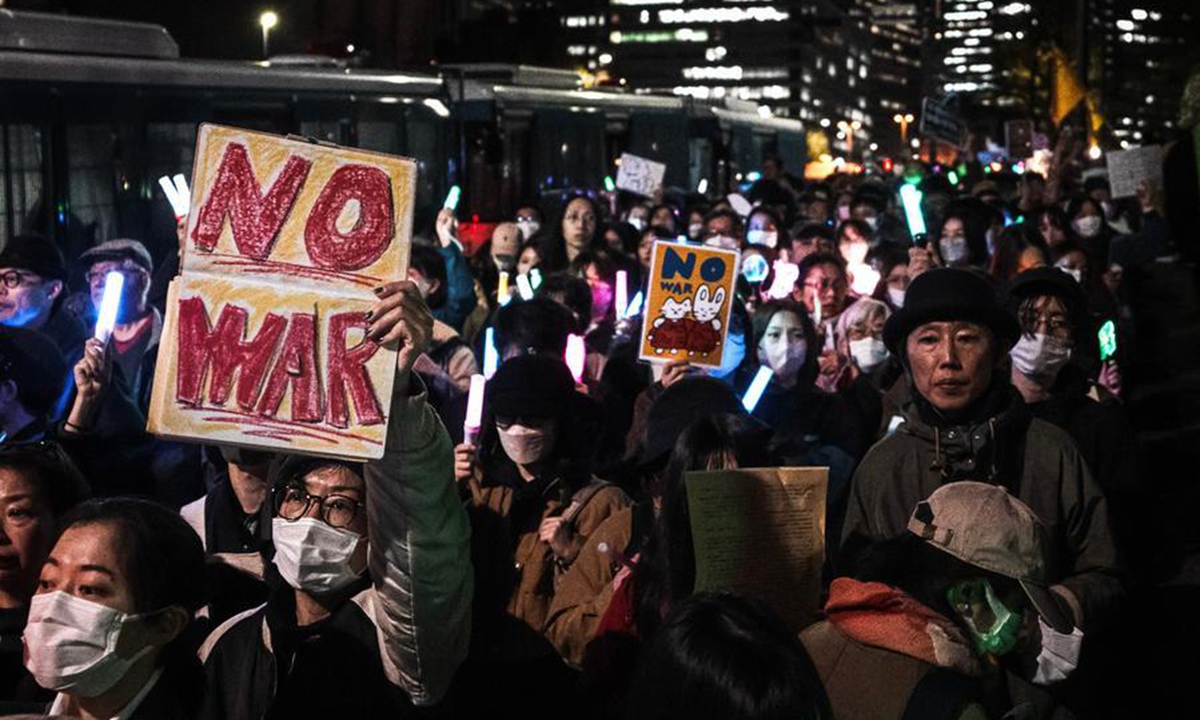
People participate in a protest outside the parliament building in Tokyo, Japan, April 8, 2026. Photo: Xinhua
Japan, which continues to ramp up its military buildup, is reportedly considering introducing around 52,000 unmanned assets for long-range strikes and intelligence gathering over the five-year period beginning in fiscal 2027.Going further down the path of militarism, Chinese analysts questioned whether Tokyo can secure funding for such a massive defense outlay, while warning that expanded defense spending could ultimately leave the Japanese public bearing the consequences.
Japan's Defense Ministry is mulling setting a target of acquiring some 52,000 unmanned systems, such as drones for long-range attacks and intelligence gathering, over five years from fiscal 2027, Japanese media outlet Kyodo News reported on Thursday, citing sources familiar with the matter.
The plan is part of a preliminary draft of the Defense Buildup Program, one of three key security documents that the government of Prime Minister Sanae Takaichi aims to revise by the end of the year.
The reported moves echo the focus of the country's earlier defense white paper on new ways of warfare, particularly unmanned combat systems, with the aim of building integrated combat capabilities, Da Zhigang, a research fellow at the Institute of Northeast Asian Studies of the Heilongjiang Academy of Social Sciences, told the Global Times on Thursday.
Beyond its conventional Ground, Maritime and Air Self-Defense Forces, Japan is increasingly focused on the asymmetric combat effectiveness demonstrated by unmanned systems, Da said. Overall, the trend aligns with Japan's broader remilitarization drive and the growing role of AI in modern warfare, the expert explained.
Da said that Japan may deploy these systems extensively across the southwestern islands, with Hokkaido also a potential deployment area amid strained Japan-Russia relations. Japan may also promote information sharing with the US on unmanned warfare, leveraging US bases in Japan to build a coordinated system, he noted.
Notably, the country would need over $58 billion, roughly double the amount under the current plan, to strengthen its counterstrike capabilities with standoff weapons, including long-range missiles that could be used to attack enemy bases, the Kyodo News report quoted sources as saying.
The report said that Japan has already been increasing its defense spending to better respond to the changing security environment. Senior government officials have said defense spending may balloon to between 70 trillion and 80 trillion yen in the next five-year period, raising questions about how the debt-ridden nation will secure the necessary funding.
Da said funding remains a widely questioned aspect of the defense plan. He said the Japanese government envisions funding under the banner of economic growth, relying on higher tax revenues, while potentially drawing on surplus funds from the previous fiscal year or issuing additional government bonds.
However, many have questioned this approach, arguing that it would further increase Japan's debt burden and relying on newly issued government bonds to repay existing debt is unsustainable, Da continued.
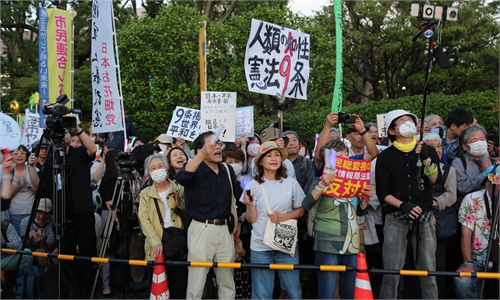
At the same time, Da added that the Japanese government may seek to divert resources away from areas such as education, science and technology, social security, and support for people's livelihoods in Japan, channeling limited funds instead into defense. Such a move, however, would inevitably face opposition from the Japanese public, opposition parties, and society at large.
A Reuters report on September 4 noted that Japan's budget requests for the next fiscal year have ballooned to levels similar to those seen during the pandemic era, as Takaichi's expansionary fiscal agenda pushes government borrowing costs to three-decade highs.
"Given Tokyo's already strained fiscal position, whether the large defense expenditure can be fully funded remains uncertain," Da said.
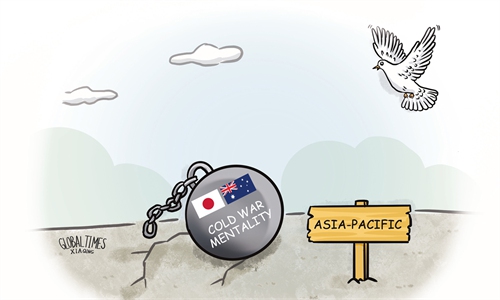
Japan is speeding up militarization with advances in various areas. He argued that, while Japan frames its moves as responses to the so-called geopolitical security risks, they introduce grave regional instability and security risks, which are tantamount to laying a fuse for conflict in Northeast Asia.
Chinese Foreign Ministry Spokesperson Guo Jiakun said during a press conference in September that "our solemn message to Japanese right-wing forces: the right way forward for Japan is to fulfill its international obligations, fully remove the pernicious influence of militarism, and keep to peaceful development."
"China will stand together with peace-loving countries in the world to firmly hold back the malevolent emergence of Japanese neo-militarism under the pretext of making Japan a 'normal country,' and prevent it from wreaking havoc on the region and beyond," Guo added.
RELATED ARTICLES