Chinese firm starts second waste-to-energy project in Indonesia, showcasing China's waste management technology: expert
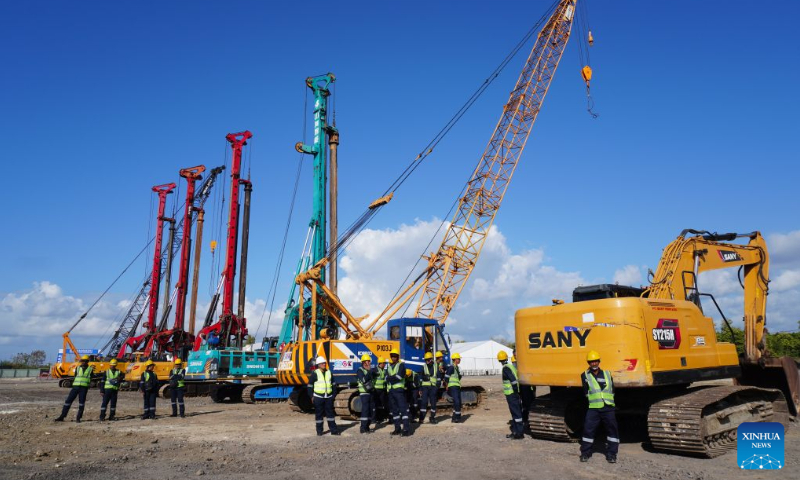
This photo taken on July 8, 2026 shows a scene of the groundbreaking ceremony of Bali's first waste-to-energy project in Bali, Indonesia. Photo: Xinhua
A Chinese environmental company has launched its second waste-to-energy project in Indonesia, underscoring the growing overseas footprint of China's waste treatment technologies and their role in helping Southeast Asian countries address mounting urban garbage problems.
The Bogor waste-to-energy project, operated by Chinese firm Zhejiang Weiming Environment Protection Co., officially broke ground on Thursday in Bogor Regency, Indonesia's West Java Province, according to a statement on the company's WeChat account. The facility is expected to process more than 500,000 tons of waste per year.
The project, covering about 87,000 square meters, is designed to significantly ease the local waste burden, cutting landfill use by up to 80 percent and reducing carbon dioxide emissions by about 640,000 tons each year. It will also generate green electricity continuously, enough to supply more than 100,000 households in the Bogor area, while creating about 1,200 jobs, according to the company's statement.
The Bogor project is Weiming's second waste-to-energy facility in Indonesia. Its first project in Bali was officially launched on July 8 this year.
For the new waste-to-energy project, Zhejiang Weiming plans to build a grate-fired waste incineration and power generation facility with a daily processing capacity of about 1,500 tons. The total investment is estimated at $163 million, with a construction period of about two years.
Indonesia has been stepping up efforts to tackle its waste management challenges as urban waste volumes continue to rise. Waste-to-energy is part of the country's national strategy, which includes waste separation at source, organic waste treatment, improved waste collection and processing facilities, and the use of technologies such as refuse-derived fuel, biogas, and composting.
Against this backdrop, Chinese companies are increasingly playing a leading role in Indonesia's waste-to-energy sector. Since last year, the Indonesian government has opened two rounds of bidding for a number of waste-to-energy projects. There were 21 submissions in the first round for three projects, all of which were from Chinese companies. The second round attracted 68 proposals for eight projects, with Chinese companies accounting for about 60 percent of the submissions, according to a report by the Xinhua News Agency, citing the CEO of an Indonesian state-owned company responsible for operating the projects.
As China's environmental technology companies expand overseas, waste-to-energy projects are increasingly seen as an important example of how Chinese industrial capability can support global green development while helping other countries tackle mounting waste disposal pressures, Ma Jun, director of the Institute of Public and Environmental Affairs, told the Global Times on Thursday.
"Such projects can deliver multiple benefits, including waste treatment, green energy development, and local economic gains," Ma said.
Chinese enterprises have built global leadership in solid waste management through years of technological innovation and practical experience. By adopting advanced incineration and power generation processes, they can achieve harmless, reduced-volume, and resource-oriented treatment of municipal waste, he noted.
The expert added that these facilities can provide stable clean electricity and help supplement regional energy supply, while strict environmental standards can keep emissions under control and ensure ecological safety. In addition, waste-to-energy projects can improve local environmental quality and help create a greener foundation for the development of tourism and other industries.
China's waste-to-energy experience is also gaining attention in other Southeast Asian countries. In 2022, the Chinese-invested Soc Son waste-to-energy plant began operating in Hanoi, Vietnam. Since then, it has supplied electricity to Vietnam's national grid and now processes about 5,000 tons of household waste from Hanoi every day, according to Xinhua.
RELATED ARTICLES