Translating new vision into action: China-US relations stand at another historic juncture: Global Times editorial
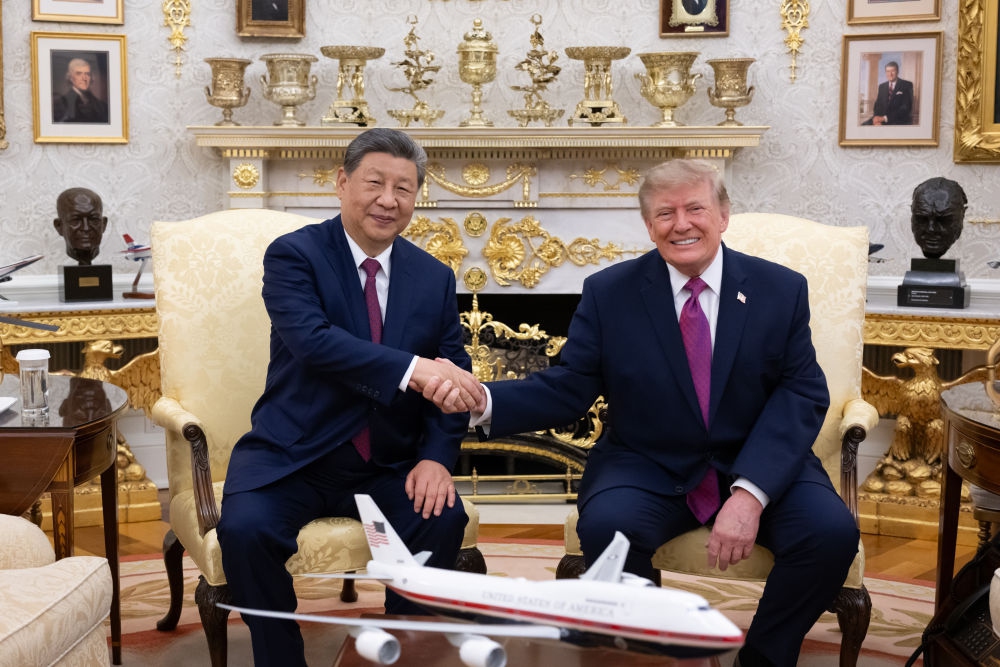
Chinese President Xi Jinping holds small-group exchanges with US President Donald Trump in the Oval Office after a welcome ceremony at the White House in Washington, DC, the US, September 24, 2026. Photo: Xinhua
Moving from vision to action demonstrates China's strategic foresight and sincere commitment to advancing the bilateral relationship. China and the US should cherish the favorable conditions created by head-of-state diplomacy to advance cooperative initiatives one by one and resolve specific issues individually, turning the vision featuring "cooperation as the mainstay, moderate competition, manageable differences, and promises of peace" steadily into reality.
"Today, we have come to another historic juncture for China-US relations."
On September 24 local time, a series of state events marking the highlight of President Xi Jinping's visit to the US took place at the White House. When talking about building a constructive China-US relationship of strategic stability, Xi pointed out that the new vision reflects the realities of China-US ties, embodies the expectations for the future, and is an important step toward finding the right way for the two countries to get along with each other. He called for translating the new vision into action and finding the right way for the two major countries to get along with each other, and said that the two sides need to work toward a relationship featuring cooperation as the mainstay, moderate competition, manageable differences, and promises of peace.
During their meeting in Beijing this May, the two heads of state reached a milestone political consensus, agreeing to build a constructive China-US relationship of strategic stability. How the two nations translate this new positioning into concrete action is a matter of keen interest to the outside world and a key expectation of the international community regarding this meeting.
During the meeting on September 24, President Xi profoundly noted that China and the US should, and fully can, achieve mutual benefit and win-win results through practical cooperation, help each other succeed through healthy competition, properly manage differences by seeking common ground while respecting differences, and build peace by fostering mutual trust, so that a constructive China-US relationship of strategic stability can better benefit the two peoples and people around the world. This important remark charts the course for both sides to build a constructive relationship of strategic stability, once again highlighting the irreplaceable strategic guiding role of head-of-state diplomacy in the bilateral relationship.
From Beijing to Washington, "action" has consistently been a key keyword. In May, Xi stressed that the building of a constructive China-US relationship of strategic stability should not be a mere slogan, but concrete action taken by both sides toward the same goal. During this meeting, he further pointed out that departments, sectors and levels of both countries should all get involved and the two sides should not refrain from doing a good deed because it is too small, nor commit a bad deed because it is too small, and should implement the consensus reached by both sides with the spirit of driving the nail. Moving from vision to action demonstrates China's strategic foresight and sincere commitment to advancing the bilateral relationship. This weighty historical responsibility now rests upon the shoulders of both China and the US and their peoples, making 2026 destined to be a historic and landmark year for carrying forward the China-US relationship into a new era.
In recent years, economic and trade issues have been a prominent area of divergence between China and the US, as well as a window through which to understand the true nature of the bilateral relationship. Economic and trade cooperation serves as a key driver for translating new vision into action. Practices in recent years have shown that the two economies are deeply complementary and their interests intertwined; businesses seek stable expectations while consumers desire high-quality products - and it is precisely these concrete needs that fuel continued cooperation between the two sides. China's door to the outside world remains wide open, and it welcomes US enterprises to invest and operate in the country. For its part, the US should treat Chinese companies fairly and translate its stated support for investment and cooperation into transparent, stable, and predictable policy arrangements. The more shared interests the two sides accumulate, the greater the resilience of their economic and trade relationship against disruptions.
Artificial intelligence opens up future-oriented possibilities for cooperation between China and the US. As major powers in this field, both nations possess distinct strengths in technological development and application, while also facing shared risks such as the misuse or loss of control over the technology. The two countries have previously co-sponsored each other's resolutions on AI at the UN General Assembly and maintained regular dialogue through the "Track 2" channel, clearly demonstrating their capacity for constructive interaction in this vital area. They can engage in ongoing exchanges regarding the risks and benefits of AI, starting with issues of mutual concern and gradually exploring avenues for cooperation. Increased communication between China and the US in this domain helps reduce the likelihood of miscalculation and generates valuable experience for global governance.
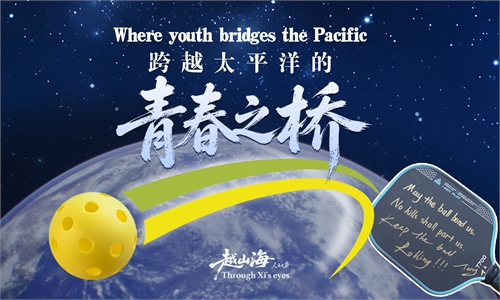
The hope of the China-US relationship lies in our people, and its future lies with the young. Friendship between the peoples has always been the deepest and most enduring force driving the development of China-US relations.
President Xi has announced that 100,000 young Americans will be invited to visit China for exchanges and study over the next 5 years. This forward-looking invitation creates new opportunities for young people from both countries to get to know and understand each other better. Since state-to-state relations are rooted in the affinity between peoples, fostering more sister-city ties, youth exchanges, and people-to-people interactions will generate a continuous stream of momentum for building a constructive China-US relationship of strategic stability.
Translating the vision of a constructive China-US relationship of strategic stability into action requires the proper handling of differences. The US needs to genuinely respect China's core interests and major concerns. The Taiwan question is the most important and sensitive core issue in China-US relations. China's position on safeguarding national unity and territorial integrity is clear. It is hoped that the US will uphold the correct stance of opposing "Taiwan independence," handle the Taiwan question with prudence, and lay a solid foundation for strategic cooperation and the development of relations between the two countries.
"Another historic juncture" signifies both new opportunities and new responsibilities. China and the US should cherish the favorable conditions created by head-of-state diplomacy and drive follow-up actions across all departments, sectors, and levels - advancing cooperative initiatives one by one and resolving specific issues individually.
By building mutual trust through implementation and enhancing well-being through cooperation, the vision featuring "cooperation as the mainstay, moderate competition, manageable differences, and promises of peace" can be steadily turned into reality, bring greater benefits to the peoples of both countries and inject more certainty and positive energy into the world.
RELATED ARTICLES