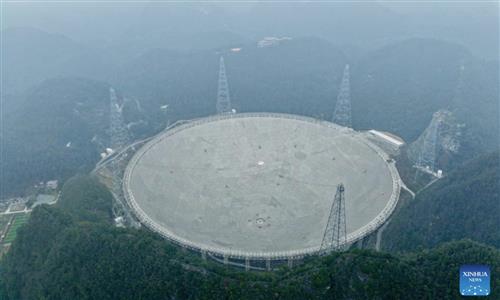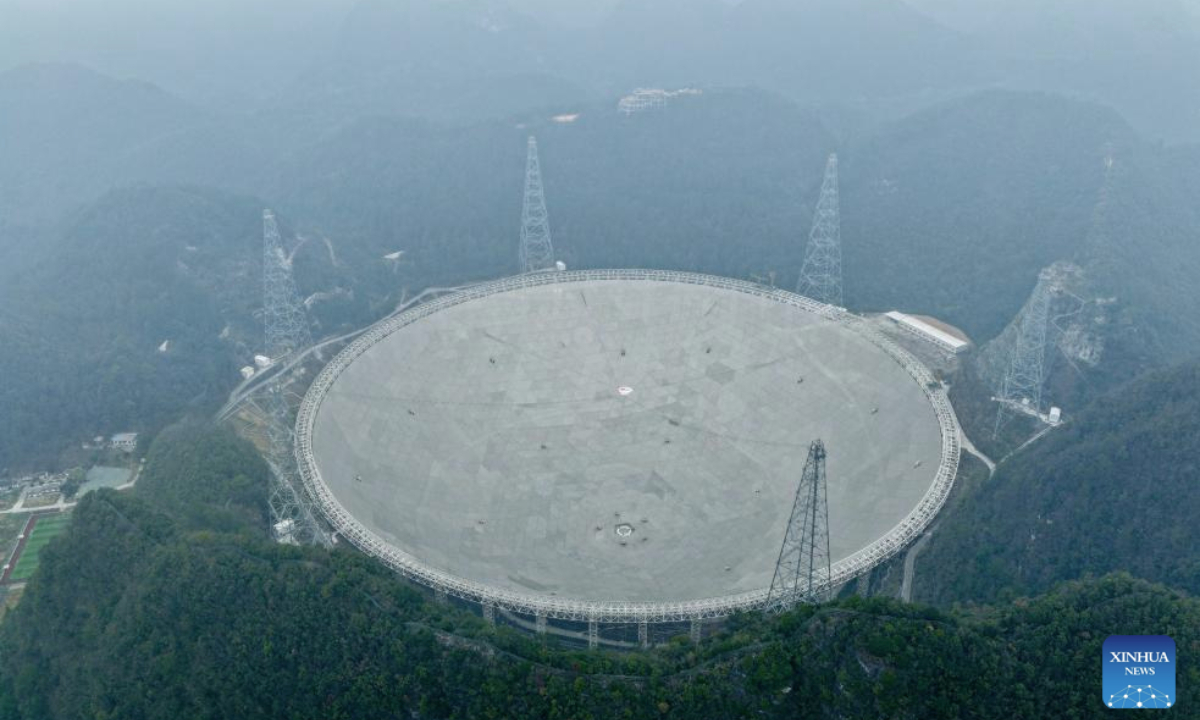
An aerial drone photo taken on Jan. 16, 2026 shows China's Five-hundred-meter Aperture Spherical Radio Telescope (FAST) under maintenance in southwest China's Guizhou Province. (Xinhua/Ou Dongqu)
The Chinese Academy of Sciences (CAS) said on Monday that it has launched a full investigation into reports that tourists were able to enter the core zone of China's Five-hundred-meter Aperture Spherical Telescope (FAST) by booking a specific hotel or purchasing a "deep science-tour" package.
In a statement, the CAS said it has set up a working group to conduct a comprehensive review of the matter. Any organizations or individuals found to have violated disciplines or regulations will be dealt with strictly, it added. The investigation results will be made public in due course.
The statement followed media reports that visitors who paid 2,688 yuan ($401) to stay at a hotel inside the FAST core zone -- just 3.6 kilometers away from the FAST telescope - were able to drive into the restricted area after registering their vehicle. Some tourists were reportedly then guided onto the telescope's ring walkway, where security checks were allegedly lax and electronic devices such as mobile phones were permitted.
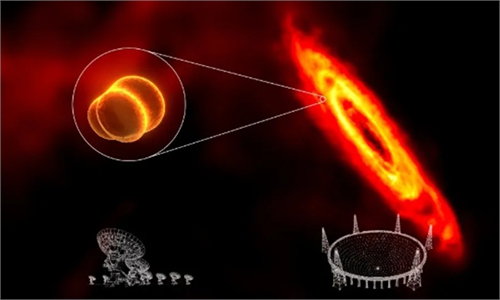
FAST, dubbed the "China Sky Eye," is one of the country's megascience projects and the world's largest single-dish radio telescope. It was completed after 22 years of planning and development at a total cost of about 1.2 billion yuan, and is operated by the National Astronomical Observatories under the CAS.
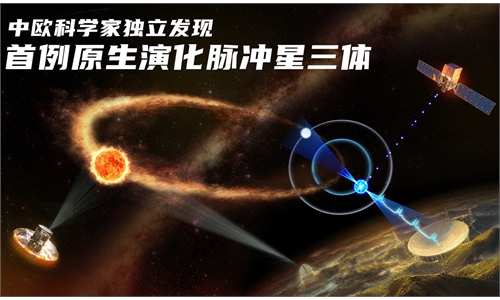
Located in Pingtang county, Southwest China's Guizhou Province, FAST is designed to detect extremely faint signals from deep space for research into the origins and evolution of the universe, the search for extraterrestrial intelligence and the detection of gravitational waves.
To protect the telescope from interference, authorities have designated a 30-kilometer electromagnetic quiet zone around the site. Local regulations prohibit bringing mobile phones, tablets, digital cameras, drones and other electronic devices that emit electromagnetic radiation into the core zone, and unrelated vehicles are also barred from entering, domestic media outlet Hongxing News reported.
According to media reports, one visitor surnamed Fu said that in May he and his companions paid 2,688 yuan through the online travel platform Ctrip to reserve a twin room at the hotel. They then drove into the core zone, entered the telescope area with hotel staff, walked around the ring structure, and took photos using electronic devices.
The reports immediately sparked public criticism, with many commenters saying the site should not be commercialized in a way that could jeopardize the telescope's electromagnetic environment.
Some online users strongly criticized the practice, saying "the FAST should not be turned into a commercial attraction that can be altered simply by paying a fee, and it should certainly not become a profit-making tool for individual businesses." They argued that such practices may involve illegal or non-compliant activities.
To prevent interference from electronic devices, all shuttle buses in the scenic area were specially built to meet the strict requirements of the National Astronomical Observatories, including the requirement that they have no electronic ignition systems, according to the official website of the China Sky Eye Scenic Area. Visitors must store their phones and other electronics in a designated place and go through airport-level security screening before taking the shuttle bus to the observation platform.
Local tourism officials and staff at the scenic area have also confirmed that electronic devices are not permitted on the observation platform within the core zone.
In earlier reports, National Astronomical Observatories staff said they had received related complaints and had already produced a preliminary report. On Sunday, reporters found that the tourism package had been removed from online platforms or marked as temporarily unavailable, according to China National Radio.
Global Times
RELATED ARTICLES