China, EU welcome more dialogue for cooperation after trade consensus
Expert urges Europe to show sincerity in turning paper agreement into concrete results
China EU relations
China is willing to continue dialogue with the EU in the economic and trade field to inject more stability and positive energy into the development of China-EU economic and trade relations, Chinese Vice Premier He Lifeng said when meeting with the French President's Diplomatic Adviser Emmanuel Bonne in Beijing on Tuesday, the Xinhua News Agency reported on Wednesday.
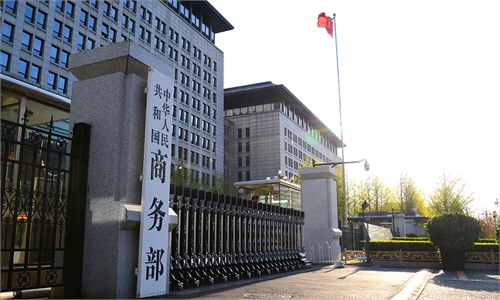
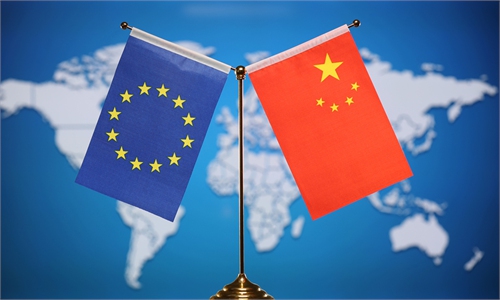
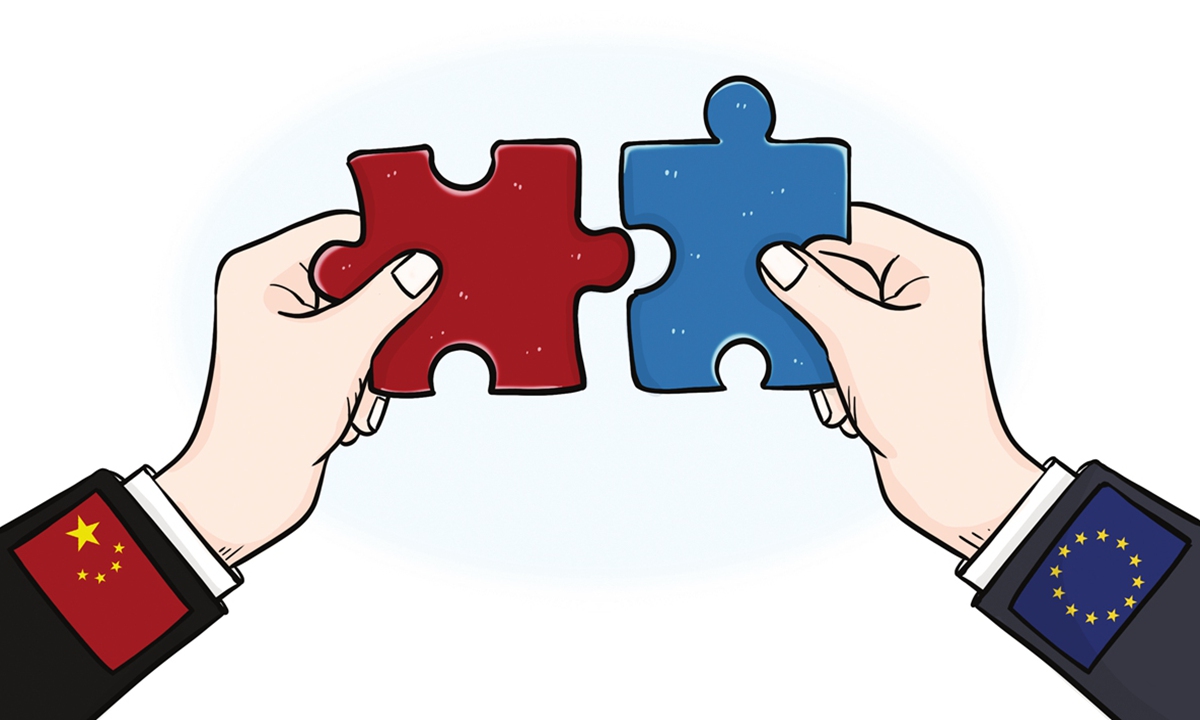
He made the remarks as China and the EU reached a 16-point consensus covering trade and investment, export controls, intellectual property rights and World Trade Organization (WTO) reform during high-level talks in Beijing on October 8 and 9. Chinese experts noted that the latest China-EU interactions demonstrate both sides' commitment to further expanding cooperation and managing differences through dialogue. They added that the consensus provides a stable and predictable environment for bilateral trade and investment.
During the meeting with Bonne, He said that there is broad room for improvement in China-France economic and trade cooperation, adding that China is willing to continue to work with France to implement the consensus reached by the two heads of state, strengthen practical cooperation in all economic fields and achieve mutual benefit and win-win results.
Bonne said that France attaches great importance to economic cooperation with China and is willing to work with China to continuously achieve positive results in the China-EU trade and investment consultations, and maintain the stable development of economic and trade relations between the two sides.
"France is a key member state of the EU. Following the trade consensus between China and the EU, remarks from the two sides' officials can further stabilize bilateral economic and trade relations, with France expected to play a constructive role in advancing further cooperation between the two sides," He Weiwen, a senior fellow at the Center for China and Globalization, told the Global Times on Wednesday.
On Monday, Chinese Commerce Minister Wang Wentao met with Danone CEO Antoine de Saint-Affrique, noting that the second meeting of the China-EU trade and investment consultation mechanism had produced outcomes and understandings that helped stabilize industry expectations.
He Weiwen noted that these interactions show that China has consistently been committed to maintaining stable and sound cooperative relations with the EU and properly handling existing issues.
The recent consultations helped stabilize broader business expectations. Also on Wednesday, the China Association of Automobile Manufacturers (CAAM) said that it welcomes and supports the positive outcomes of the China-EU consultations on hybrid and electric vehicles. Other Chinese automakers including BYD, Geely and Chery issued statements in support of the positive outcomes of the China-EU trade and investment consultation mechanism.
The CAAM noted that the consensus helps stabilize industry expectations on both sides, maintain the stability and smooth functioning of automotive industrial and supply chains, and create a more predictable environment for automakers to conduct trade and investment cooperation. By using the WTO framework to address frictions through dialogue and consultation, China and the EU have set an example for the international community in managing differences, it said.
In a statement posted on its WeChat account on Wednesday, BYD said that "The outcomes have effectively managed trade differences, prevented frictions from escalating, taken into account the actual conditions and legitimate concerns of industries on both the Chinese and European sides, and created a stable, predictable and sustainable environment for cooperation on China-EU hybrid vehicle trade."
Chery noted that openness and cooperation would guide the development of the global vehicle industry. The Chinese and European automotive industries are highly complementary, with broad scope for cooperation. Sustained in-depth cooperation serves the interests of industry and consumers in both China and the EU and contributes to the stability of global automotive industrial and supply chains.
He Weiwen noted that the consensus reached between China and the EU on the auto industry is significant not only for averting further trade frictions, but also for charting a pragmatic path for industrial cooperation that accommodates both sides' concerns.
The consensus opens up more constructive possibilities. Chinese companies can localize production by building factories in Europe, and both sides can work together to explore third-party markets, shifting from "competing for existing market share" to "jointly expanding the pie," the expert said.
China's official data showed on Wednesday that in the first three quarters of 2026, the country's imports and exports with the EU reached 4.78 trillion yuan ($714.3 billion), up 8.4 percent year-on-year.
"The consensus reached by China and the EU provides stable guidance for bilateral relations. After the consultations, the most critical task is to translate the agreement on paper into concrete results, and the EU side should demonstrate its sincerity in this process. In addition, the two parties can collaborate in emerging fields such as artificial intelligence, working together to expand the pie of future industries and open up new space for development," He Weiwen noted.
RELATED ARTICLES