China Japan Photo: GT
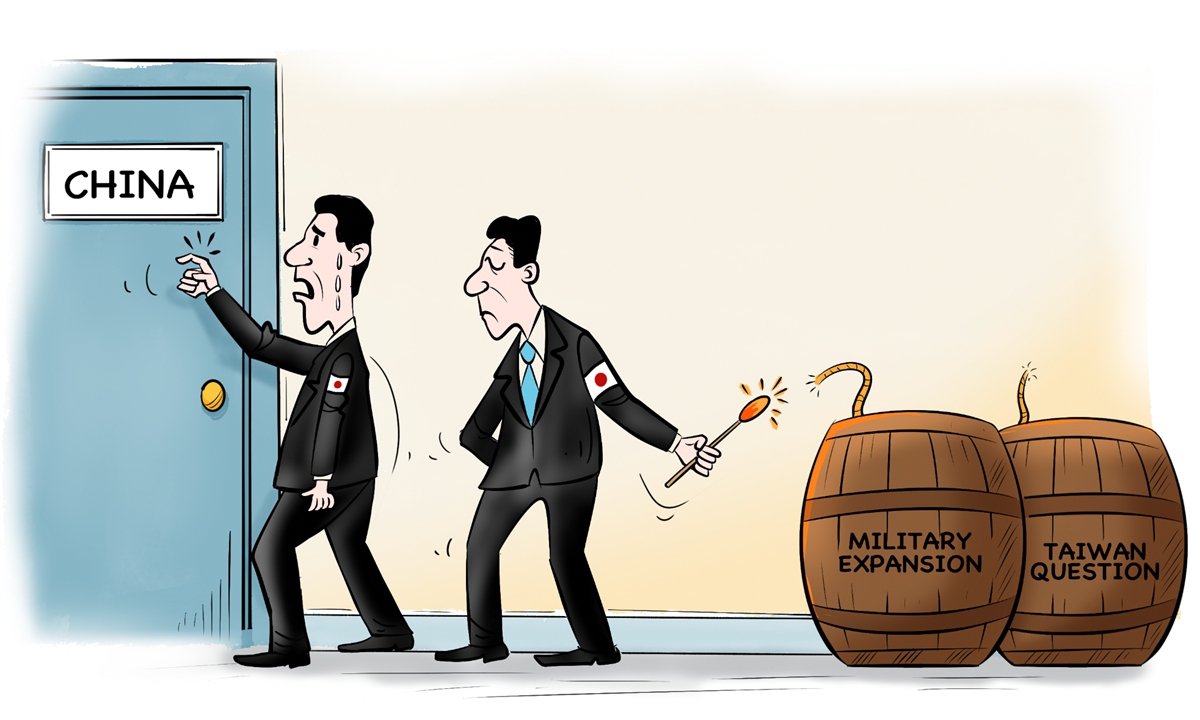
The Japanese government is considering a plan to increase corporate tax to fund a boost in defense spending, Japan Today reported on Sunday, citing sources familiar with the matter.
The business community, however, may resist a corporate tax increase out of concern that it could hamper wage hikes and undermine Japan's international competitiveness, the report said.
It wasn't long ago that the Japanese government imposed a defense surtax on companies. In March 2025, Japan introduced the 2025 Tax Reform Law and Regulations, effective April 1, 2026, which includes a 4 percent special defense surtax imposed on corporate income tax. The fact that another tax increase is being floated just months later suggests that the funding from the previous measure is already insufficient to satisfy the appetite for more defense spending - and this is happening against a backdrop of extremely fragile public finances.
There is no shortage of data reflecting the fragility of the ground on which its fiscal policy stands. Japan's debt, more than twice the size of its economy, faces upward pressure due to rising social security, national defense and debt-servicing costs. Its total outstanding debt hit a record high of 1,342.17 trillion yen ($8.6 trillion) at the end of 2025, according to data from the country's Finance Ministry.
Even more fundamental pressure comes from its demographic structure. Japan has the highest proportion of people age 65 and older among 39 countries with populations of at least 40 million people. The number of people age 65 and older stood at an estimated 36.24 million as of September 15, accounting for 29.6 percent of the country's total, the highest percentage on record. Such a large elderly population implies massive social security spending which, together with debt service costs, has left Japan with almost no fiscal room for maneuver.
Beyond the fiscal predicament, Japan's current economy offers little cushion. According to the Ministry of Internal Affairs and Communications, Japanese household spending fell 3.1 percent year-on-year in August - the ninth consecutive monthly decline.
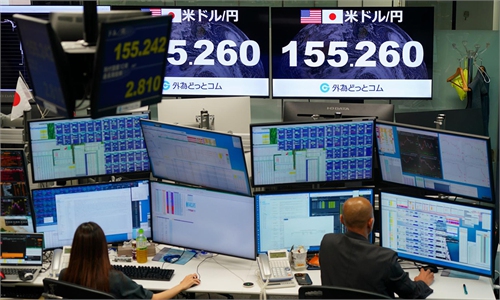
Yields on Japanese government bonds this year have climbed to multi-decade highs, while the yen has weakened to its lowest level since 1986. Wholesale prices rose 6.8 percent in the year to September, slowing from the previous month but underscoring mounting inflationary pressure that keeps alive market expectations of a near-term rate hike. The persistent downward pressure on the yen has not eased, and the high cost of imported energy and raw materials has already drastically squeezed the profit margins of a large number of manufacturers and small and medium-sized services enterprises.
Against this backdrop, the Japanese government has ignored these fiscal and economic strains and kept pushing defense spending higher. The defense budget for fiscal 2026 has crossed the mark of 9 trillion yen for the first time in history, setting a new record. Japan is reportedly working to revise three key security policy documents by year-end, which would likely push annual defense outlays above 10 trillion yen.
However, targeting the corporate sector for more tax revenue runs essentially counter to the government's own industrial policy goals. The corporate tax base is deeply connected to investment, employment, wage growth and industrial competitiveness, especially at a moment when Japan is trying to maintain its foothold in key sectors such as semiconductors, artificial intelligence and new energy.
Japanese enterprises are already operating under high pressure. Yen depreciation has driven up import costs, labor shortages have pushed up labor expenses, and competition in the global industrial chain has grown increasingly fierce. If the corporate tax is raised further, the funds that companies had planned to use for raising salaries, investing in technological research and development, and upgrading production equipment will all be siphoned off to cover military spending. The end result will only be a further decline in corporate competitiveness, stagnant incomes for workers, and an already weak recovery in private consumption losing even more of its supporting foundation.
Funding military expansion through tax hikes would squeeze Japan's financial situation and inject new uncertainty into the regional security situation. A country that keeps paying for its military buildup with tax increases will only push itself and the entire region into a far more costly confrontation. In the end, the path that erodes its own economic foundation is destined to be unsustainable.
RELATED ARTICLES