Tajikistan-China cooperation under BRI, SCO boosts regional development, says expert
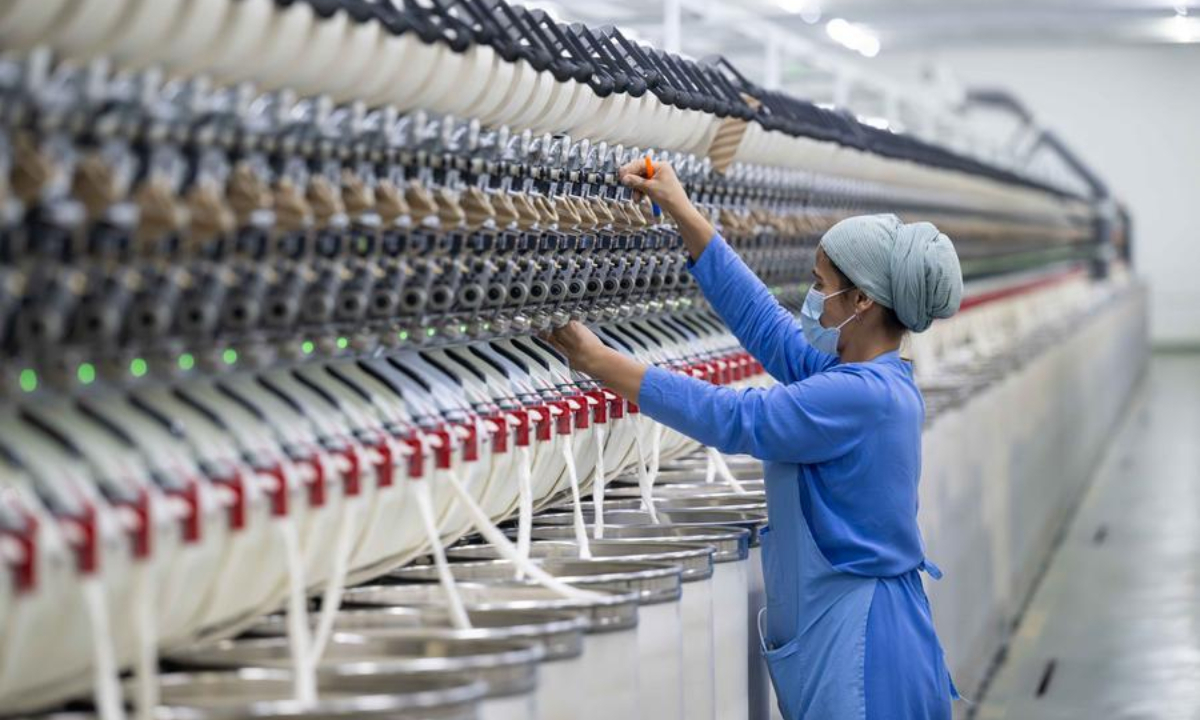
A woman works at China-Tajikistan Danghara Agricultural and Textile Industrial Park in Danghara, Tajikistan, on Sept. 12, 2025. (Xinhua/Li Renzi)
Closer cooperation between Tajikistan and China under the Belt and Road Initiative (BRI) and the Shanghai Cooperation Organization (SCO) will unlock greater potential for regional development, said Guzel Maitdinova, director of the Center for Geopolitical Studies at the Russian-Tajik (Slavonic) University.
"Tajikistan-China relations are taking on increasingly greater strategic significance," Maitdinova told Xinhua in a recent interview, citing China's growing economic cooperation with Central Asia and Tajikistan's efforts to diversify its economy.
The two countries established diplomatic relations in 1992, and elevated their ties to a comprehensive strategic cooperative partnership in the new era in 2024, opening up new prospects for bilateral cooperation, said the expert.
Tajik President Emomali Rahmon's state visit to China in May 2026 set another milestone in bilateral relations, Maitdinova said. During the visit, the two sides signed a series of cooperation documents, including the Treaty on Permanent Good-Neighborliness, Friendship and Cooperation, and the Joint Statement on Deepening the Comprehensive Strategic Cooperative Partnership in the New Era.
Maitdinova highlighted the importance of aligning Tajikistan's National Development Strategy for the period up to 2030 with the China-proposed BRI. Tajikistan, a landlocked country with mountainous terrain, is keen to develop transport corridors, while China can help strengthen cross-border economic connectivity, improve transport links and foster more resilient trade and production networks across Eurasia, she said.
Energy and water resources are another strategically important area in bilateral cooperation, Maitdinova noted. Tajikistan has considerable hydropower potential, but tapping it requires modernizing energy infrastructure, expanding grid capacity and securing long-term financing.
Students and teachers from the Tajik Technical University take part in a Luban Workshop training session at the Tianjin Urban Construction
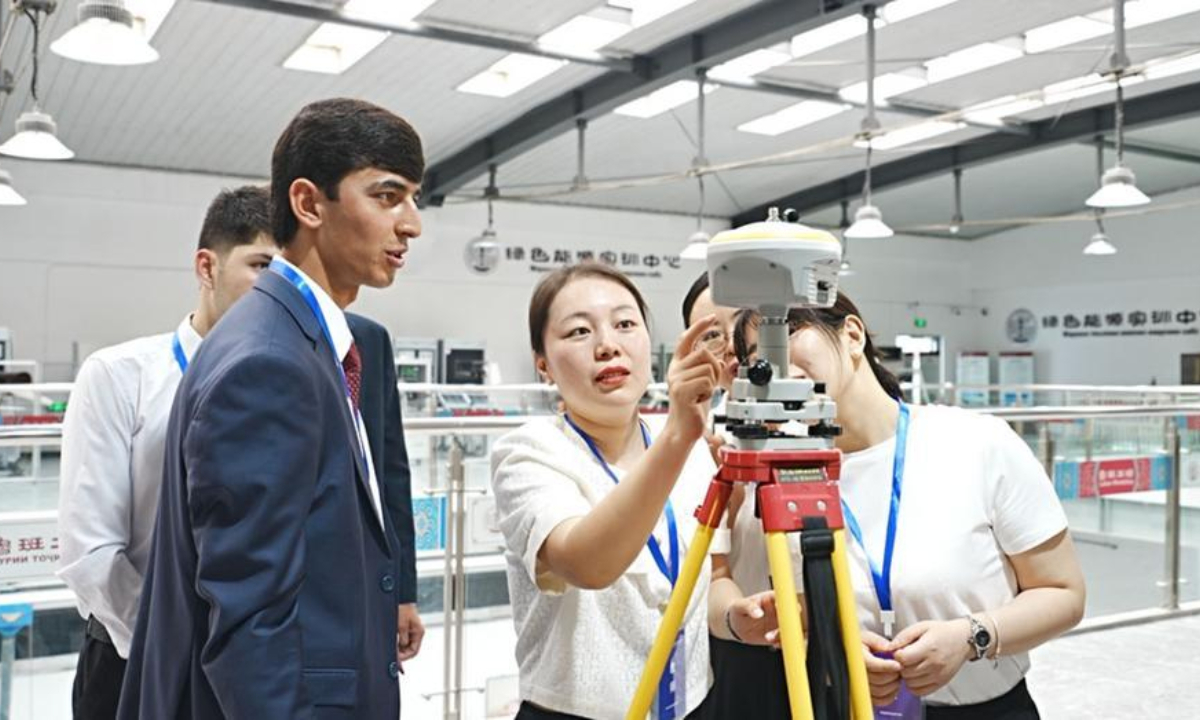
Students and teachers from the Tajik Technical University take part in a Luban Workshop training session at the Tianjin Urban Construction Management Vocational and Technical College in Tianjin, north China, in July of 2024. (Tianjin Urban Construction Management Vocational and Technical College/Handout via Xinhua)
Chinese technology and investment can support the development of hydropower, renewable energy and digital management systems, she said.
Maitdinova also underscored the importance of bilateral cooperation on security, as both countries have a shared interest in closer coordination between law enforcement agencies to combat the "three evil forces" of terrorism, separatism and extremism.
This year marks the 25th anniversary of the founding of the SCO. "As one of the organization's founding members, China has helped broaden its economic, technological and institutional agenda and strengthen cooperation on security," Maitdinova said.
The SCO and the BRI play different but complementary roles, she said. The SCO provides a political and institutional platform for coordinating the interests of member states, while the BRI promotes cooperation through infrastructure projects, investment and trade links. "Together, they create opportunities to develop cross-border transport corridors, energy networks, digital infrastructure and production chains," Maitdinova said.
"Overall, Tajikistan-China relations are characterized by a high level of political trust, expanding economic cooperation and a transition toward a more comprehensive model of strategic partnership," she said.
