No more ‘heads-up’ tracking: Chinese university scraps AI attention system amid privacy backlash
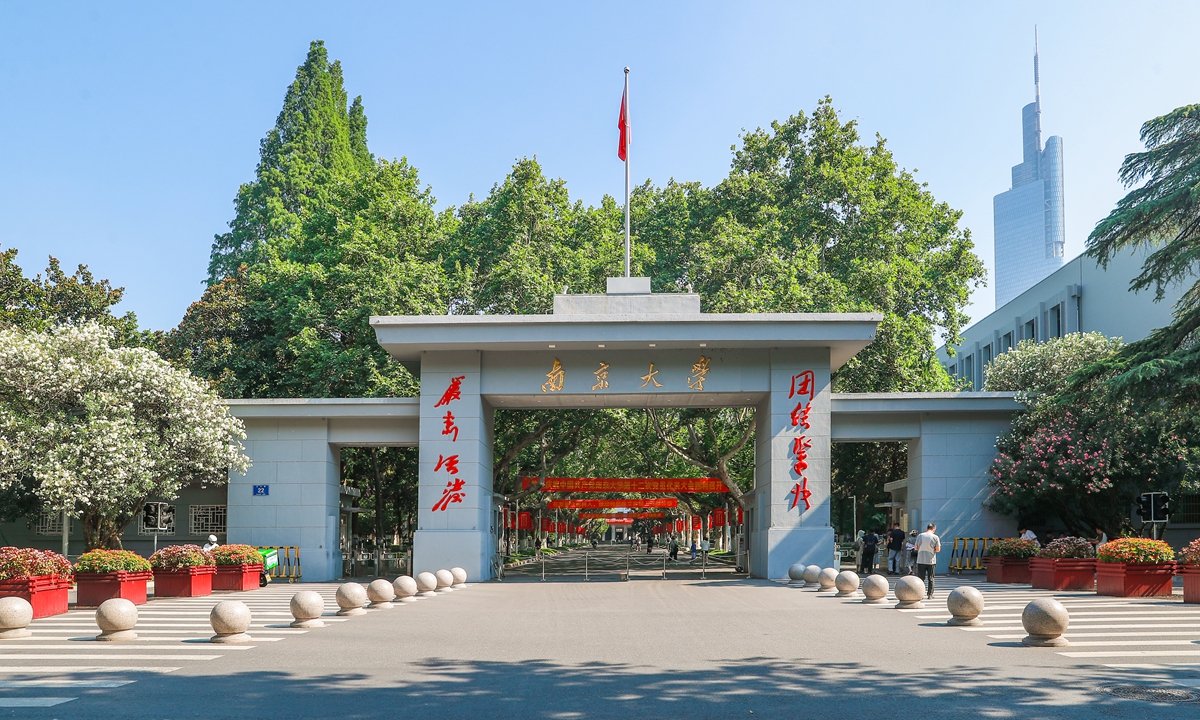
Picture of Nanjing University. Photo: VCG
Nanjing University, one of top-tier universities in China, said Wednesday that it had stopped tracking how often students looked up during class. The move came after an AI-powered “smart classroom” system that monitored attendance and attentiveness drew widespread attention online.In a statement, the university’s undergraduate education office and IT department denied claims that attendance was linked to students’ grades or that the system had been introduced in response to inspections by higher-level authorities. The university also said the system did not collect biometric data such as facial features or use facial recognition technology.
The controversy began after students at Nanjing University received a notice saying the school would use its newly upgraded smart classroom system to monitor attendance in certain courses over a one-week period.
A screenshot of the system subsequently circulated online, showing surveillance footage alongside data on late arrivals, attendance rates and the proportion of students looking up during class, prompting questions about the extent of classroom monitoring. Concerns intensified after a teacher reportedly told students in a class group chat that attendance data collected by the system could directly affect their participation grades or even lead to the cancellation of their exam results.
Cover News reported that the university awarded a contract worth more than 31.52 million yuan ($4.4 million) to upgrade 113 classrooms at its Xianlin campus. Tender documents listed technical requirements including facial detection, facial recognition, AI-based headcounts and tracking of how often students looked up in class.
Some students told media that the university had not sought their consent before introducing the system, raising concerns that their facial data could be accessed by the university or technology companies. Others said that even without facial recognition, the prospect of having their attention monitored made them uncomfortable.
The controversy has also fueled a broader debate over the growing use of AI in higher education, with critics questioning whether students' engagement can be measured by how often they look up in class and warning that such technologies risk turning classrooms into spaces of constant algorithmic surveillance, according to the Paper.
In the statement, Nanjing University sought to address the concerns, saying the “smart classroom” project was aimed at modernizing teaching facilities. It rejected claims that the technology was used to penalize students or monitor their facial features.
The university said the project was aimed at upgrading classroom audio and video systems, supporting livestreamed lectures and cross-campuses interactions, and allowing lessons to be recorded and replayed. It added that the project had been reviews by experts and went through public bidding in line with government procurement regulations.
Addressing the most contentious issues of privacy and the monitoring of how often students looked up during class, the university said that “without authorization, our smart classroom system does not collect facial or other biometric information or conduct facial recognition in teaching applications.”
“Considering the increasingly diverse ways in which students learn in class, our smart classroom system is currently no longer collecting data on the proportion of students looking up during class,” it added.
Regarding classroom footage circulating online, the university said the images were “personal screenshots taken during online teaching supervision at the Suzhou campus in May this year,” rather than live surveillance footage from the current smart classroom system.
The university pledged to “continue, as always, to put students first” and, while fully respecting and protecting students’ privacy, help them access learning resources more conveniently and “truly empower learning through digital and intelligent technologies.”
Global Times
