ARTS / CULTURE & LEISURE
China’s young people embrace self-healthcare and self-discipline
From milk tea to ‘big water’
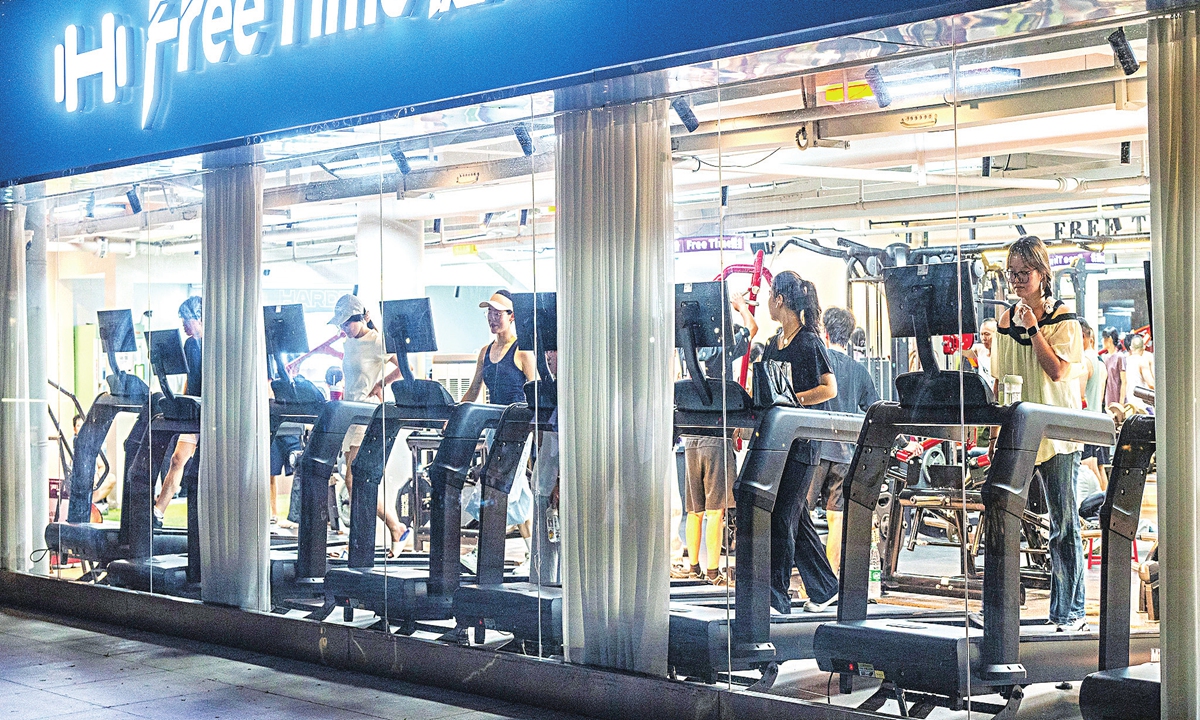
Young people exercise at a fitness center in Wuhu, East China's Anhui Province. Photos: VCG
"Weaklings drink beverages; the strong drink big water." The tongue-in-cheek slogan has become a social media sensation in China, with the hashtag "the internet has entered the big water era" recently climbing the trending charts. Posts documenting the trend have attracted hundreds of thousands of views, turning an online joke into a popular expression of self-discipline.
The concept is simple: Ditch milk tea and coffee, pick up a 1.5- to 2-litre bottle of plain water and take a long gulp.
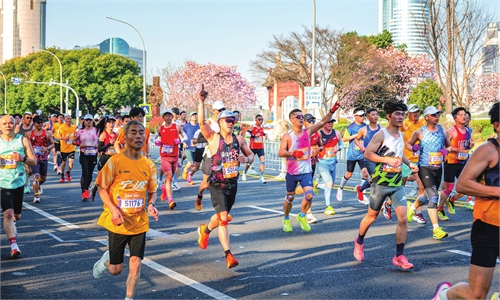
This is part of a broader collection of lifestyle trends that have recently gained traction among young Chinese people. Alongside "big water," the "thin-muscle theory" and "big sleep theory," which advocate building a lean physique through balanced eating and regular exercise, are also becoming increasingly popular while prioritizing consistent routines and quality sleep.
Together, the three have been dubbed the "low-cost self-management trio."
Oversized water bottles have since become a familiar sight on social media, with users posting daily hydration check-ins and videos of themselves drinking water. Replacing sugary drinks with plain water is undoubtedly healthier. But as hydration becomes another online challenge measured by volume, doctors warn against taking the trend too far.
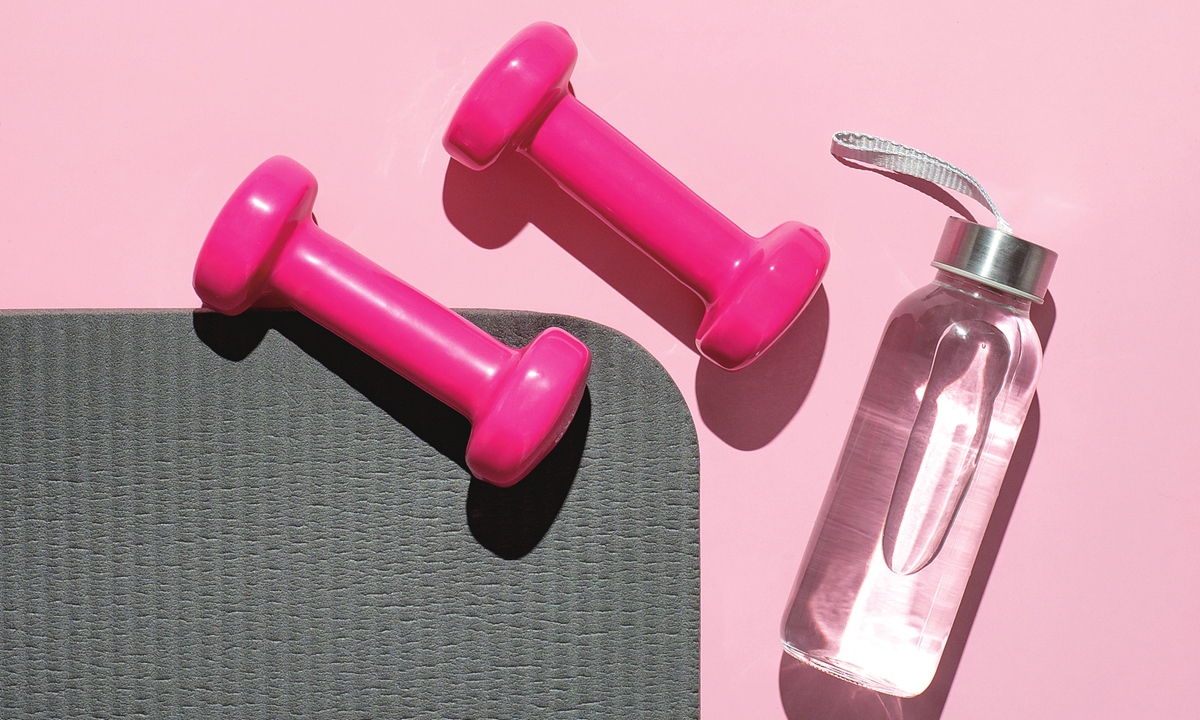
Water and barbells.Photos: VCG
A new health trend
These theories may sound elaborate, but their underlying principles are hardly revolutionary: drinking less sugar, exercising regularly, getting enough sleep and maintaining a positive mindset have long been considered staples of wellbeing.
What makes them interesting is how ordinary, low-cost habits have been repackaged as lifestyle philosophies for a younger generation.
For years, milk tea represented more than just a drink. It was also a form of workplace social currency. Lu Nan, who works at a major technology company in Beijing, told the Global Times that buying milk tea was a common way for colleagues to welcome newcomers, celebrate completed projects or simply show goodwill.
But changing attitudes towards health are gradually reshaping these habits.
Lu recalled how a new colleague abandoned his customary milk tea and instead carried an oversized, dumbbell-shaped water bottle around the office. The encounter prompted her to reconsider her own consumption habits.
As health awareness grows, more young people are questioning the appeal of sugary drinks and excessive caffeine. Concerns about insomnia, metabolic problems and other health issues have also contributed to a growing sense of vulnerability among younger generations.
Against this backdrop, the popularity of "big water" reflects a broader shift: Rather than spending money on lifestyle symbols to demonstrate taste or social status, young people are increasingly investing in things they can control, particularly their physical wellbeing, Zhang Yi, CEO of the iiMedia Research Institute, told the Global Times.
These emerging trends reflect a move away from external symbols of success towards personal experiences, physical health, security and a greater sense of control over the future, Zhang said.
Pursuing fitness, not extremes
But are these viral lifestyle philosophies actually good for people's health? Doctors say they have their merits, provided they are practiced sensibly.
The most positive aspect of drinking "big water" is replacing sugar-sweetened beverages with plain water. The problem arises when people take the word "big" too literally, gulping down large quantities in a short period to complete hydration challenges.
Yin Lu, a doctor at Guang'anmen Hospital in Beijing, recommends drinking small amounts at regular intervals rather than consuming large quantities at once. Around 200 milliliters per serving is a reasonable approach.
According to the dietary guidelines for Chinese residents released in 2022, recommended daily water intake is approximately 1,700 milliliters for adult men and 1,500 milliliters for adult women. A total intake of 1.5 to 2 liters is generally reasonable, but how quickly water is consumed also matters.
Healthy adult kidneys can typically excrete around 800 to 1,000 milliliters of water per hour. Drinking more than 1,500 to 2,000 milliliters within an hour may cause hyponatremia, or water intoxication: excessive water intake that dilutes sodium levels in the blood. Symptoms can include nausea, fatigue and impaired consciousness, Yin told the Global Times.
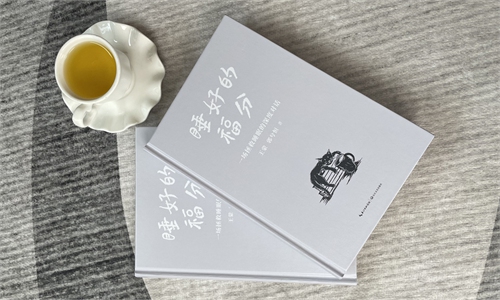
The "big sleep theory" similarly promotes regular sleep schedules and avoiding late nights. However, simply spending more hours in bed does not guarantee better-quality sleep.
The 2026 China sleep health research white paper found that shorter and later sleep patterns were associated with higher obesity risks. Among people sleeping fewer than five hours a night, the obesity rate among middle-aged adults reached 46.2 per cent.
However, sleeping too much can also be problematic. Sleep requirements vary between individuals, and daytime energy levels are often a more useful indicator than rigidly following a numerical target. Sleeping excessively at weekends cannot fully compensate for chronic sleep deprivation and may disrupt the body's circadian rhythm, Yin said.
The "thin-muscle theory" also comes with caveats.
Wu Mingfeng, a doctor at Shanghai's Ruijin Hospital, warns against pursuing a lean physique through extreme dieting or excessive exercise. While visible muscle definition may be the goal, achieving it at the expense of overall health can lead to fatigue, feeling unusually cold and poor complexion. For women, excessively low body fat can also disrupt menstrual cycles and increase the risk of hair loss.
Excessive protein consumption in pursuit of muscle growth is another concern, as it may place additional strain on the kidneys. Most adults need approximately 1.0 to 1.2 grams of protein per kilogram of body weight daily. Those seeking to build muscle may increase this to 1.2 to 1.5 grams, generally avoiding intake above 2 grams per kilogram, Wu told the Global Times.
Ultimately, the appeal of these trends lies in their simplicity: They offer young people an accessible way to take greater control of their health, Wu said.
Doctors recommend three principles when adopting new lifestyle habits: personalizing routines rather than defining health through a single number; making changes gradually instead of swinging between extremes; and staying within scientifically established limits.
"In conclusion, what I suggest is to drink water throughout the day rather than gulping it down, to maintain a consistent sleep schedule and exercise according to one's physical capacity. After all, self-discipline should not become another competition. The goal is not to do more, but to live better," Wu noted.
RELATED ARTICLES