From Yiwu to Africa: How China’s market opening is creating new opportunities
By in Yiwu Published: Nov 07, 2026 08:32 AM

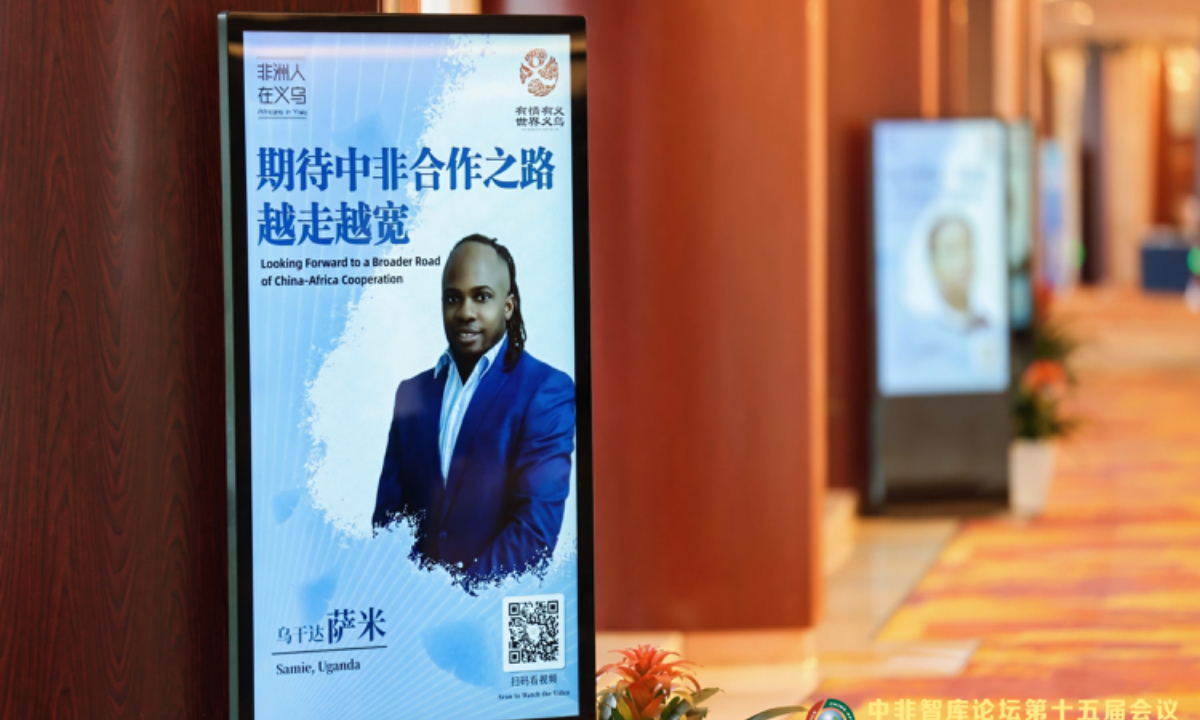
Picture of the 15th meeting of the China-Africa Think Tank Forum
At the bustling Yiwu International Trade Market in East China’s Zhejiang Province, visitors from African countries including Kenya, Malawi, Zimbabwe and Rwanda moved from stall to stall, peppering merchants with questions about how their products were made, how much they cost to produce, how profitable they were and how far their reach extended across global markets.
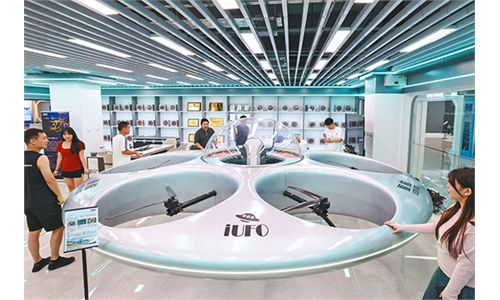
The visitors were equally captivated by displays of Chinese technological innovation, from robots dancing to music to AI-powered glasses that allow users to answer phone calls and take photographs without reaching for their smartphones.
“I’ve traveled around the world, but I’ve never been to a place quite like the Yiwu International Trade Market. It’s incredibly innovative. You saw me dancing with the robots and even talking to them — something I could hardly have imagined,” George W. Chaima, country director of New Restoration Plan, a think tank in Malawi, told the Global Times.
“China is not just busy developing new technologies; it is also building nations, building bridges and bringing the world together through development and mutual cooperation. I think that is exactly what the world is missing,” said Chaima.
Chaima and other guests are part of the participants of this year’s meeting of the China-Africa Think Tanks Forum which was opened in Yiwu on Friday. At this forum, the Think Tank Action Declaration on Advancing Modernization in the Global South Through China-Africa Cooperation, and China-Africa Consensus on Mutual Learning Between Civilizations were released.
Speaking at the opening ceremony, Oumar Demba Ba, chief diplomat adviser to the president of Senegal, said that China and Africa have consistently worked together in a spirit of peace and mutual respect. Against a backdrop of rising unilateralism and trade protectionism, he spoke highly of China's landmark decision to grant zero-tariff treatment to African countries with which it has diplomatic relations.
He stressed that Africa should strengthen its own think tanks and develop an independent African narrative to challenge entrenched stereotypes and prejudices, while advancing China-Africa cooperation to a higher level and ensuring that its progress becomes irreversible.
In May, China expanded its zero-tariff treatment to cover all 53 African countries with which it has diplomatic ties, creating new opportunities for Africa to boost exports and industrialization amid the global headwinds of protectionism.
China had already scrapped tariffs on 100 percent of tariff lines for 33 least developed countries (LDCs) in Africa since Dec. 1, 2024. The new zero-tariff policy will benefit the relatively better-off countries such as Kenya, Egypt and Nigeria, according to Xinhua News Agency.
Under the new arrangement, zero tariffs will apply to the 20 African non-LDCs in the form of a preferential tariff rate for two years, during which China will continue to promote the signing of the China-Africa Economic Partnership for Shared Development agreement with relevant African countries. Officials said the agreement will fix zero tariffs as a long-term institutional arrangement.
Sylvia Sinkari, a consultant with China Europe International Business School Africa, said China's emphasis is increasingly on encouraging African countries to add value to their products before exporting them.
“This is an export-led approach that creates opportunities for African economies to move beyond raw commodity exports and develop more competitive, value-added products. China is also working to strengthen the capacities of African countries so that they can process and manufacture products that meet the requirements of the Chinese market,” said Sinkari.
China's comprehensive zero-tariff treatment toward African countries has delivered notable results, with China's imports from African countries rising 21.6 percent year-on-year from May to September this year. The policy has not only benefited people's livelihoods but is also expected to provide a strong boost to Africa's industrialization, Liu Yuxi, Ambassador for the Affairs of the Forum on China-Africa Cooperation, said at the opening ceremony.
For Sylvia, the sprawling markets of Yiwu offer more than a glimpse into China's manufacturing prowess. They also provide a potential model for African businesses seeking to move beyond exporting raw materials and become more competitive in global markets.
"China has given us the market access," she said, stressing that African governments and businesses must now seize the opportunity to develop their manufacturing capabilities and export more value-added products.
Drawing on her experience in supply chain management, Sylvia described Yiwu as a place where African entrepreneurs could work with Chinese manufacturers to turn business ideas into products, from design and packaging to meeting international standards.
"You sit with your Chinese partners, you co-create this, and then you sell to the world," she said.
RELATED ARTICLES