As Boeing 737 Max has got the nod from the Federal Aviation Administration to fly again, when the airplane could return to China's airspace is under the spotlight, especially against the backdrop of rising China-US tensions. As the first regulator to halt the flying of the problematic plane, the Civil Aviation Administration of China (CAAC) made the decision based on its responsibility to ensure the safety of China's flying public.
In a recent report, Indian cyber security think tank the CyberPeace Foundation claims that millions of Indian e-commerce customers have been targeted by "Chinese hackers" during Indian festive months of October and November.
In accordance with China's long-standing opening-up policy, the country on Saturday unveiled new measures on the review of foreign investment affecting national security. While actively promoting and protecting foreign investment, the measures aim to effectively prevent and defuse national security risks to safeguard China's opening-up to a higher level.
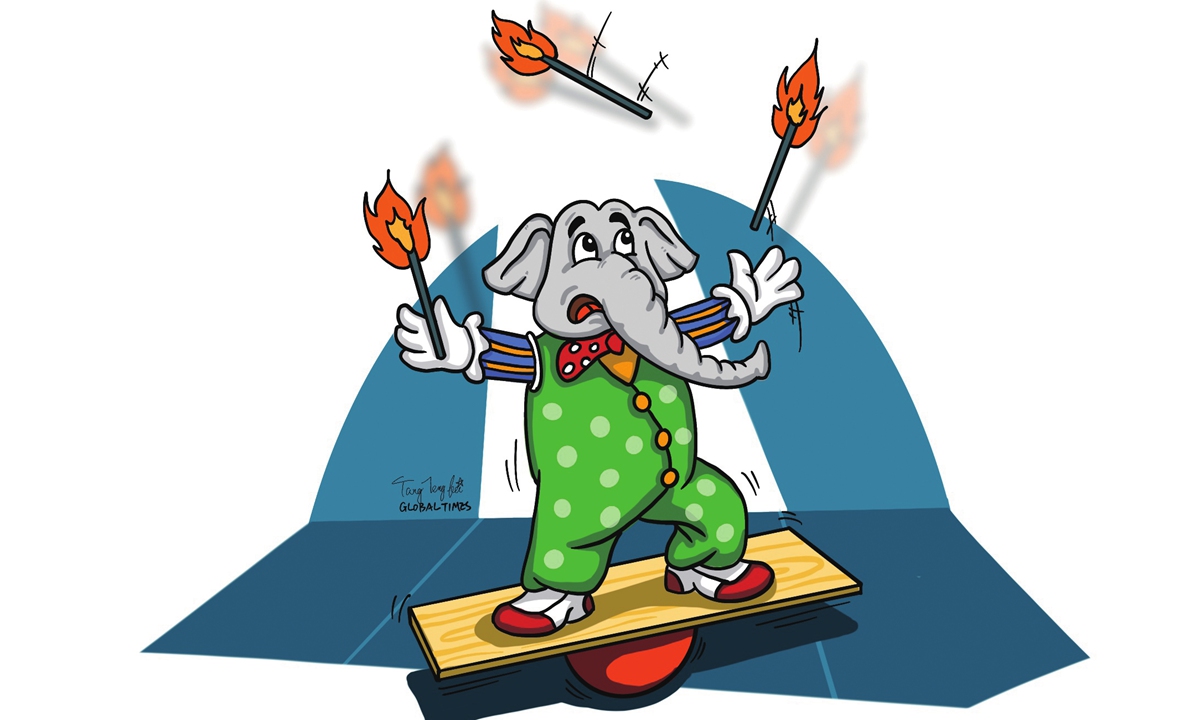
Besieged with a raging coronavirus pandemic and growing social contradiction, India's penchant for playing geopolitical games isn't doing the country any good. Recently New Delhi announced measures to tighten telecom gear controls, which has been widely believed as targeting major Chinese suppliers including Huawei and ZTE.
While a difficult 2020 drawing to a close, China and the US is expected to enter a new phase of benign relations with rising possibility to resume cooperation. Facing common global challenges, coping with climate change and promoting green economy could be an area the world's two largest economies start to partner on, which will benefit both sides and the whole world.
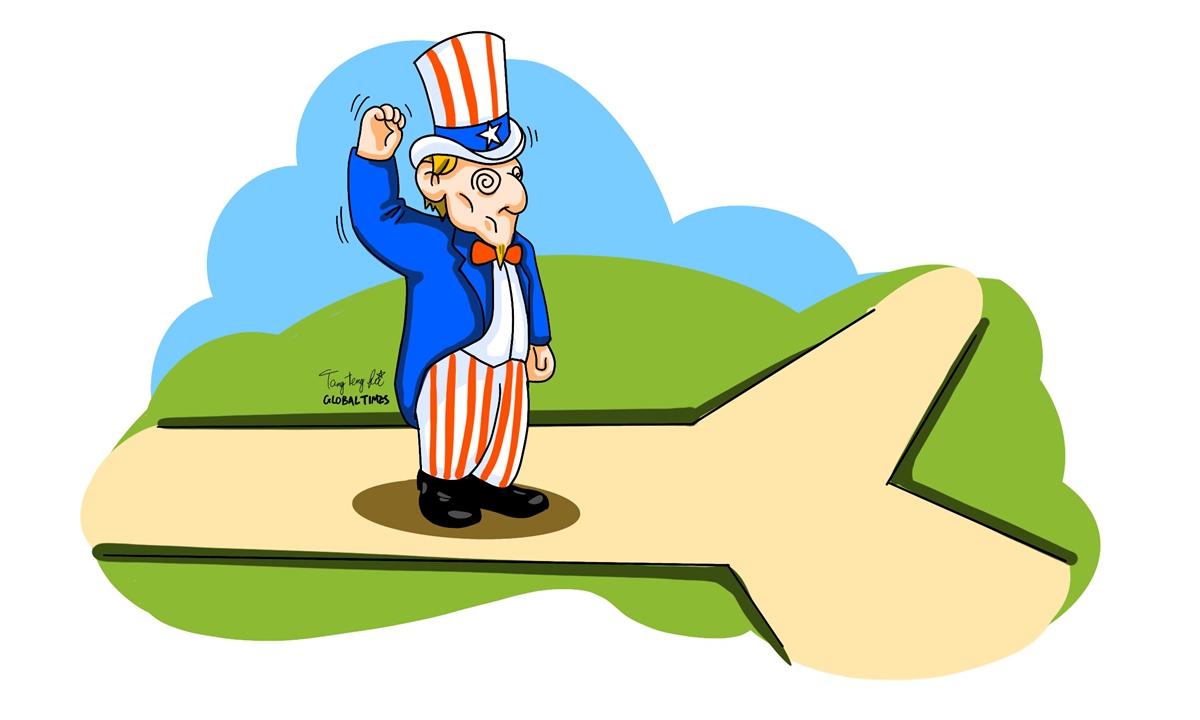
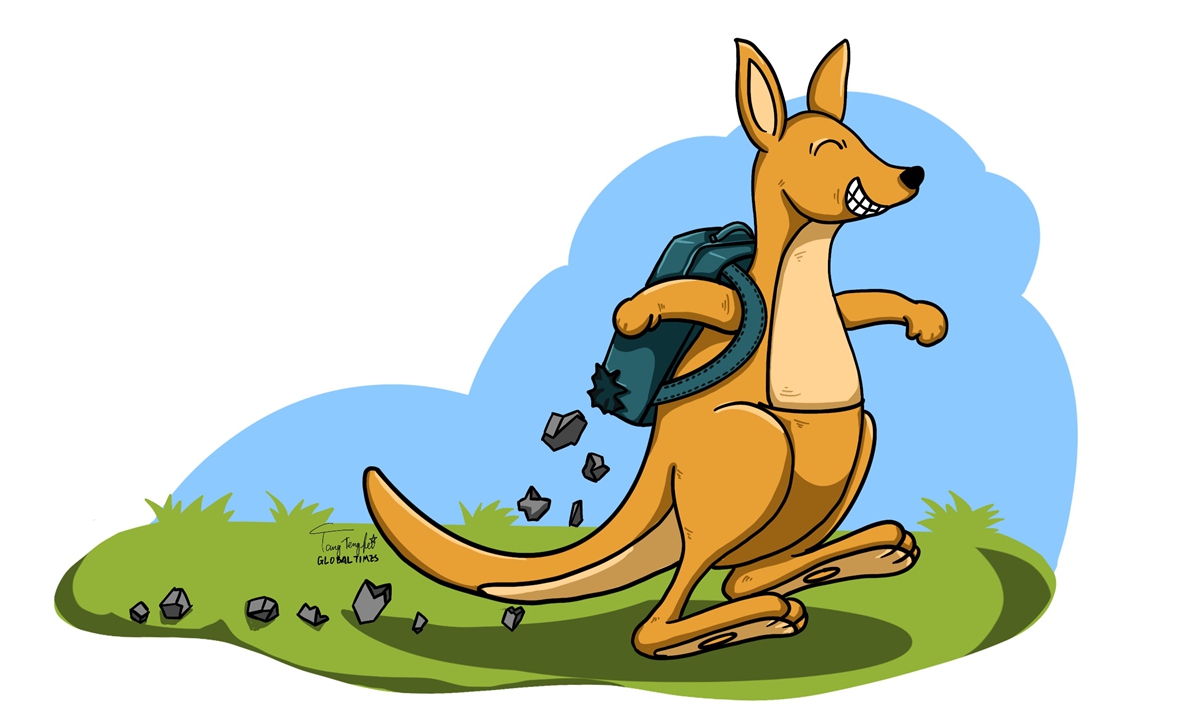
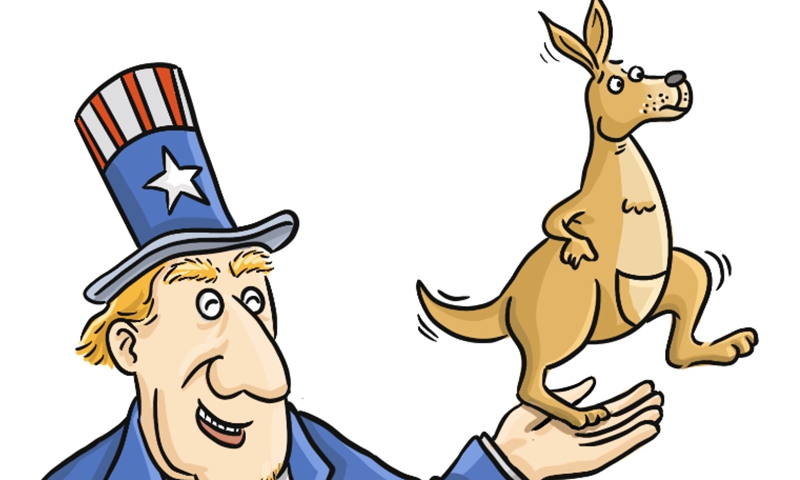
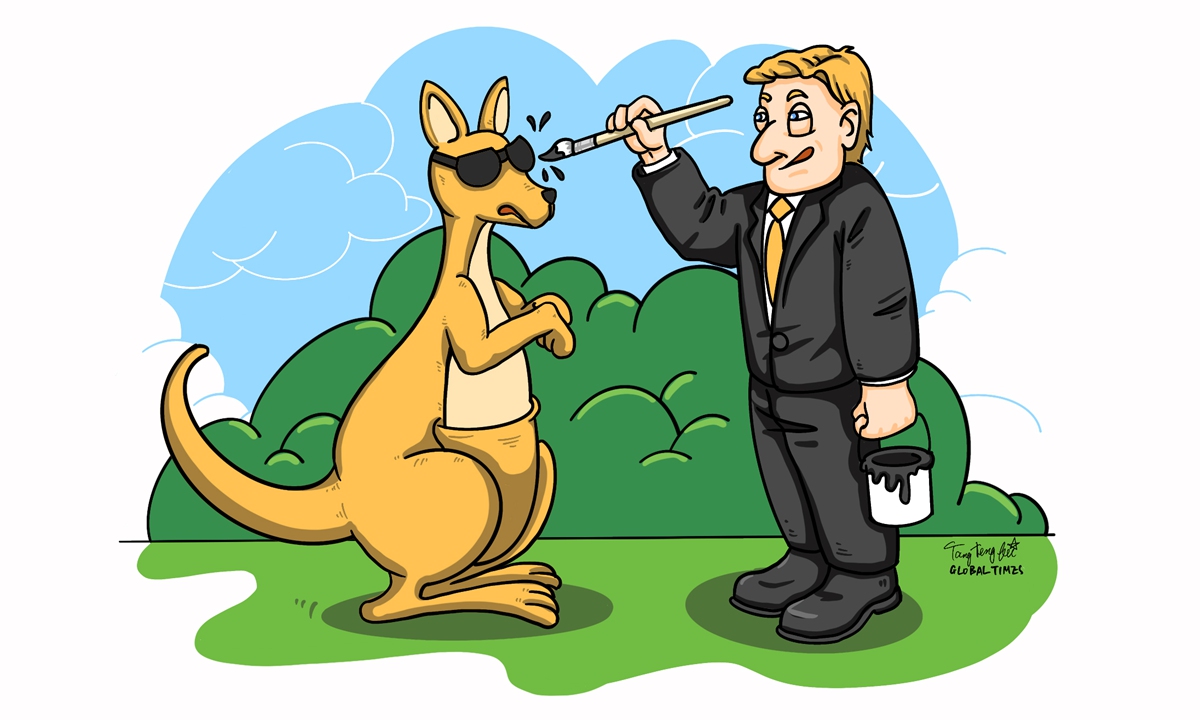
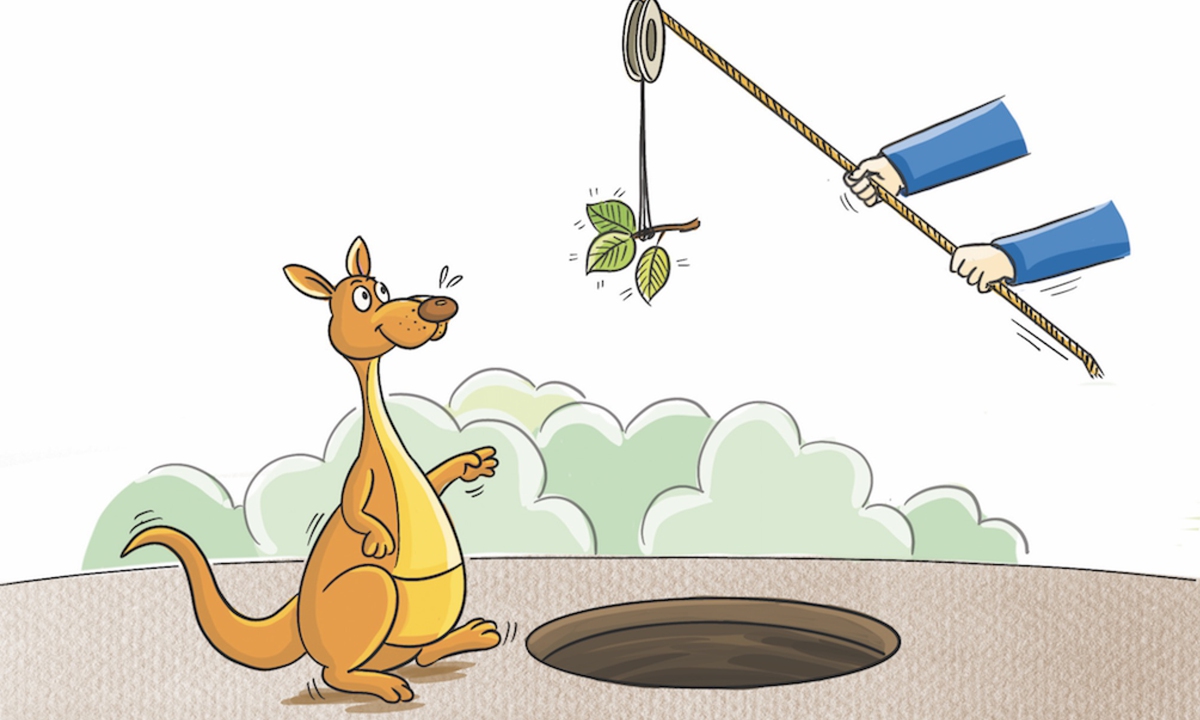
As the prices of Australia's major export commodity, iron ore, have shot up of late, some local economists and politicians declare that the economic loss stemming from a severely strained relationship with China has been offset. The country has clearly lost sight of the growing risks that its iron ore industry is facing from Canberra's reckless political schemes and the ongoing global industrial upgrading.
With Australian exporters suffering from mounting pressure amid increasingly fraying relations with China, the Five Eyes Alliance still refuses to de-escalate the tensions.
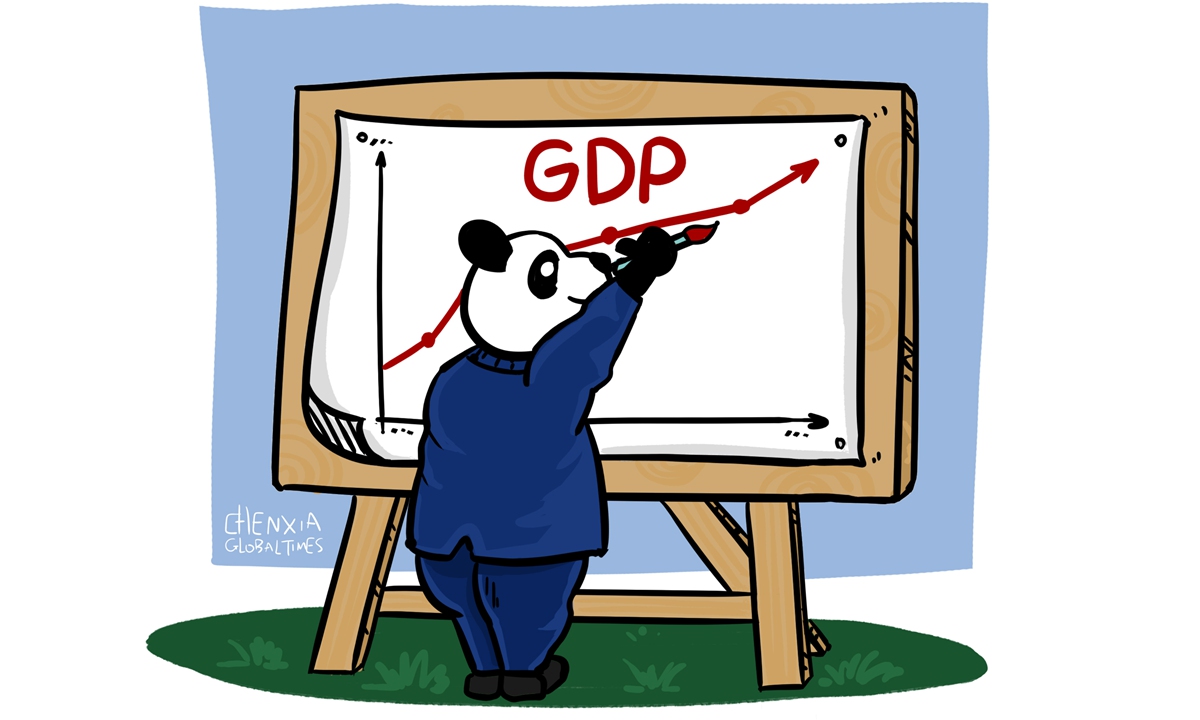
Economic planning has always played a pivotal role in presetting and helping realize China's annual goals in GDP growth, infrastructure and public service investment, inflation control and the central bank's credit supply level. For 2021, the policymakers, while ascertaining the country to be able to attain a growth rate of at least 7.5 percent, need to pay higher attention to addressing challenges such as the technology bottleneck, social inequality and carbon emissions.
The US President-elect Joe Biden is forming his new team to lead the world's largest economy as his presidency inauguration ceremony in January draws nearer. On the list, Katherine Tai is reportedly set to be nominated as the US Trade Representative. She is known for her expertise on China and advocating for "offensive elements" in dealing with China. Offensive or not, the Biden Administration's trade policy is likely to revert to a more controllable path with predictable risks.
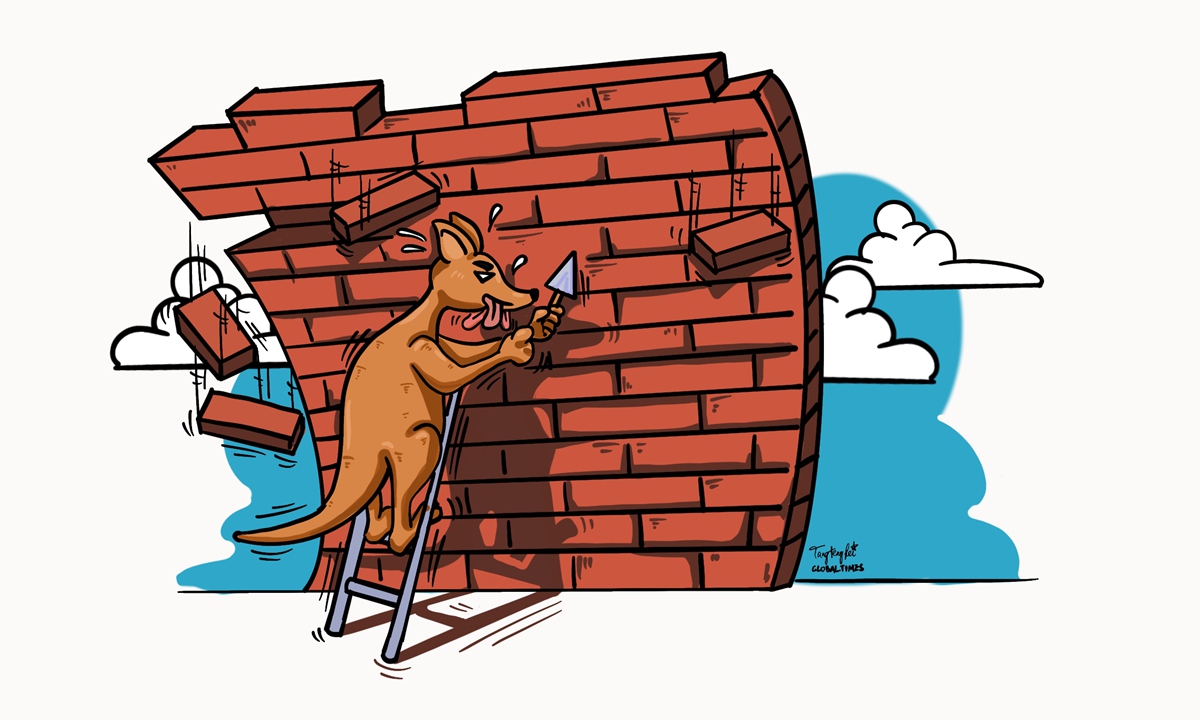
Blind to all possible consequences, Canberra seems intent on maximizing friction with Beijing at the expense of Australian businesses and consumers. By passing a law to empower the Morrison government to veto foreign agreements signed by local governments, which is widely regarded as a move targeting the Australian state of Victoria's agreement with China under the Belt and Road Initiative (BRI) framework, Morrison, unsurprisingly, may deteriorate China-Australia relations even further.
The year of 2020 has been marked by the COVID-19 pandemic and global economic recession, but as it comes to a close there could be a new era for bilateral relations between the world's two largest economies, with US President-elect Joe Biden set to enter the White House in January 2021.
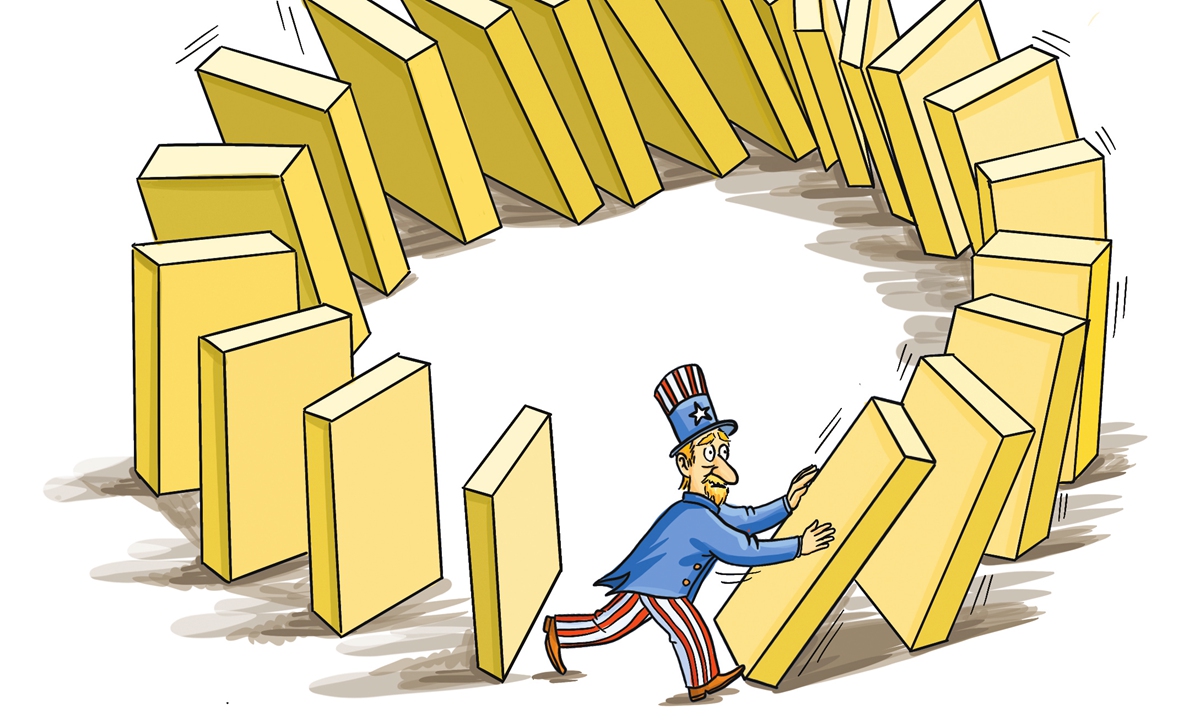
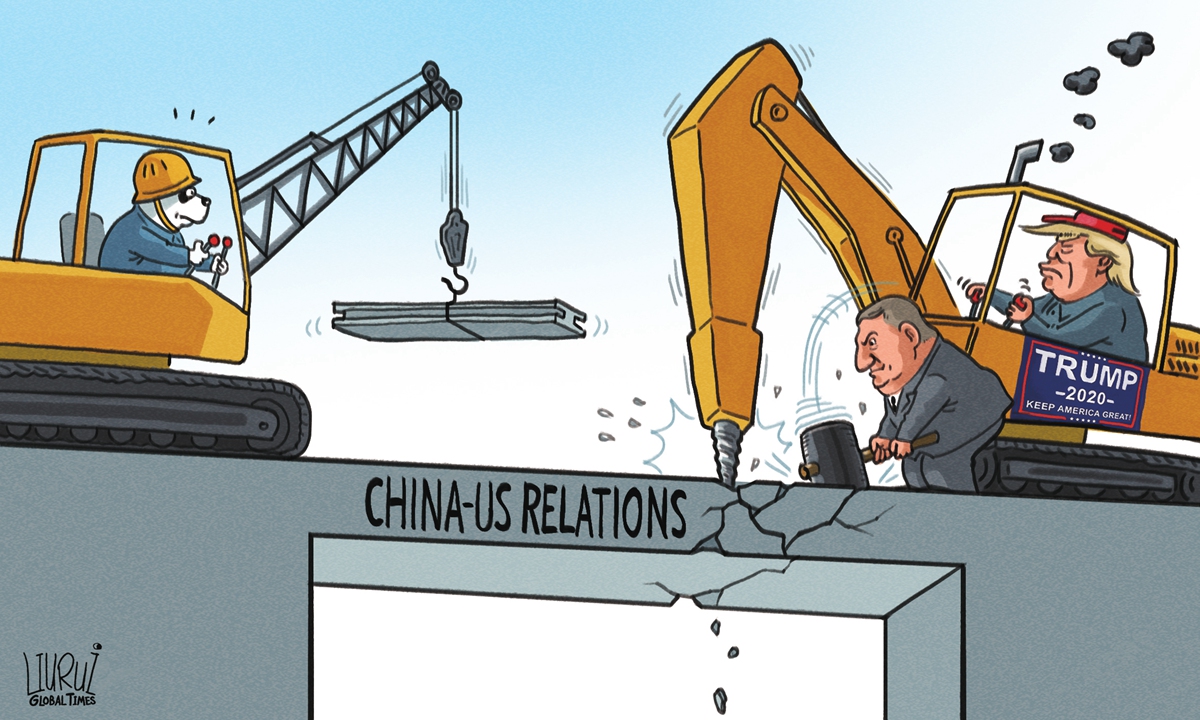
For some time, the Trump administration has tried hard to promote the "decoupling" of Chinese and US economies, disrupting normal economic cooperation between the two nations. As the transition of power in the US continues, many people wonder that whether the incoming Joe Biden administration will maintain Trump's decoupling strategy?
A major transition the coronavirus pandemic has brought to the world in 2020 is "to go online." While transforming people's lifestyle, the shift also affects the growth curves of economies and businesses, particularly internet companies.
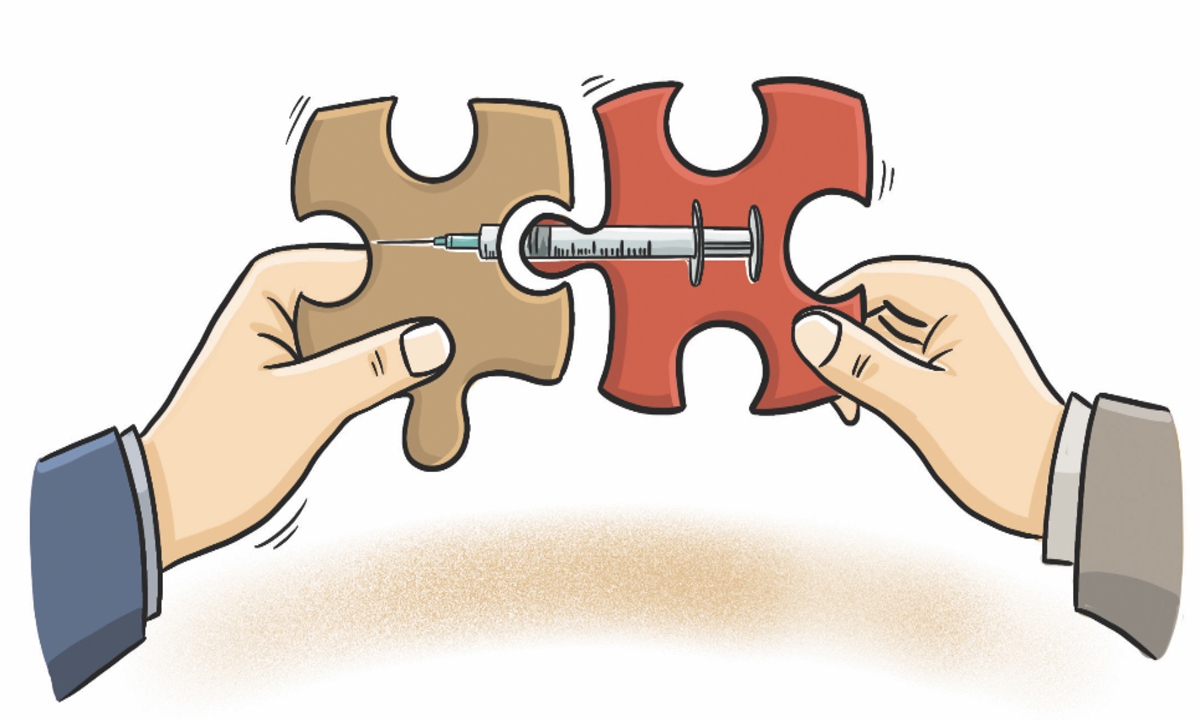
As Indonesia received its first batch of a COVID-19 vaccine from China, the promotion of pandemic containment cooperation is set to pave way for a faster economic rebound for the country, and to enhance trust and build cozier regional partnerships.
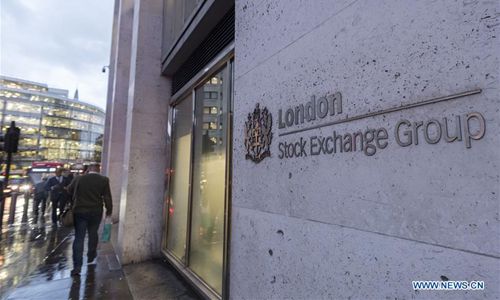
UK-based index provider FTSE Russell announced the removal of shares of eight Chinese firms which have been blacklisted by the White House. Market concerns have been raised that it may signal a financial cold war as some financial institutions follow the Trump-led US authority to irrationally politicize economic or financial operations.
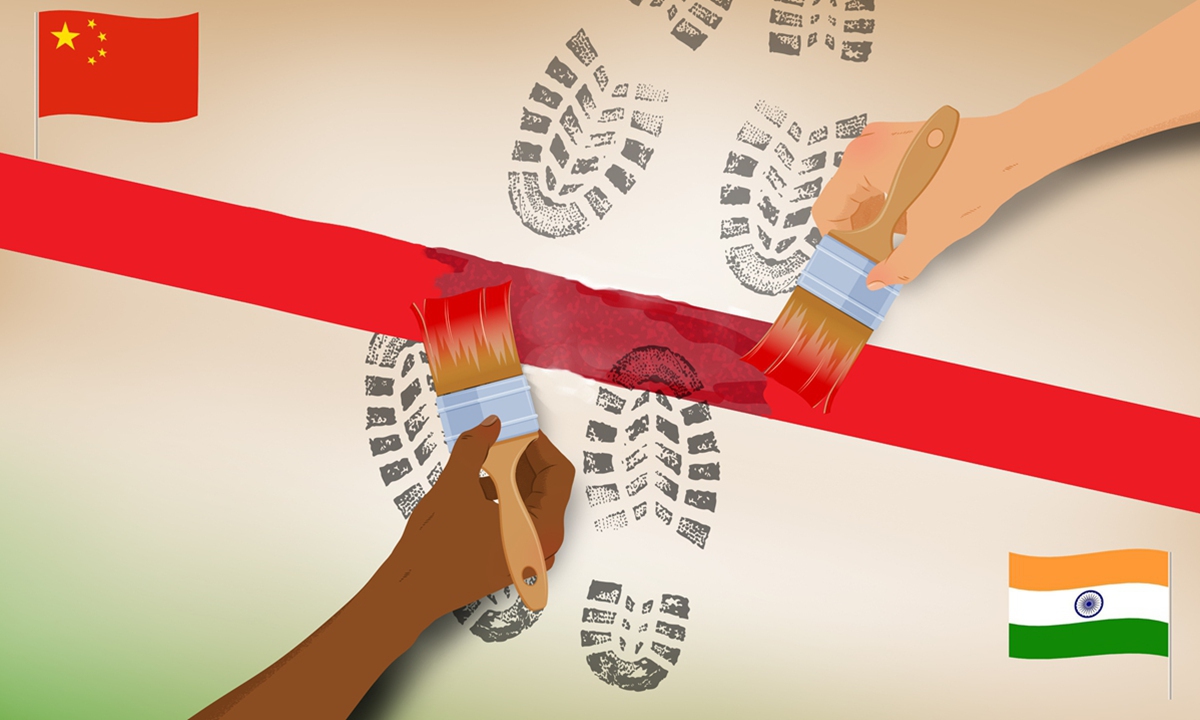
As the border standoff between China and India drags on into the harsh winter, there has been no shortage of media reports about the predicament faced by the Indian side, such as insufficient funds and technology support for border troops amid the coronavirus crisis.
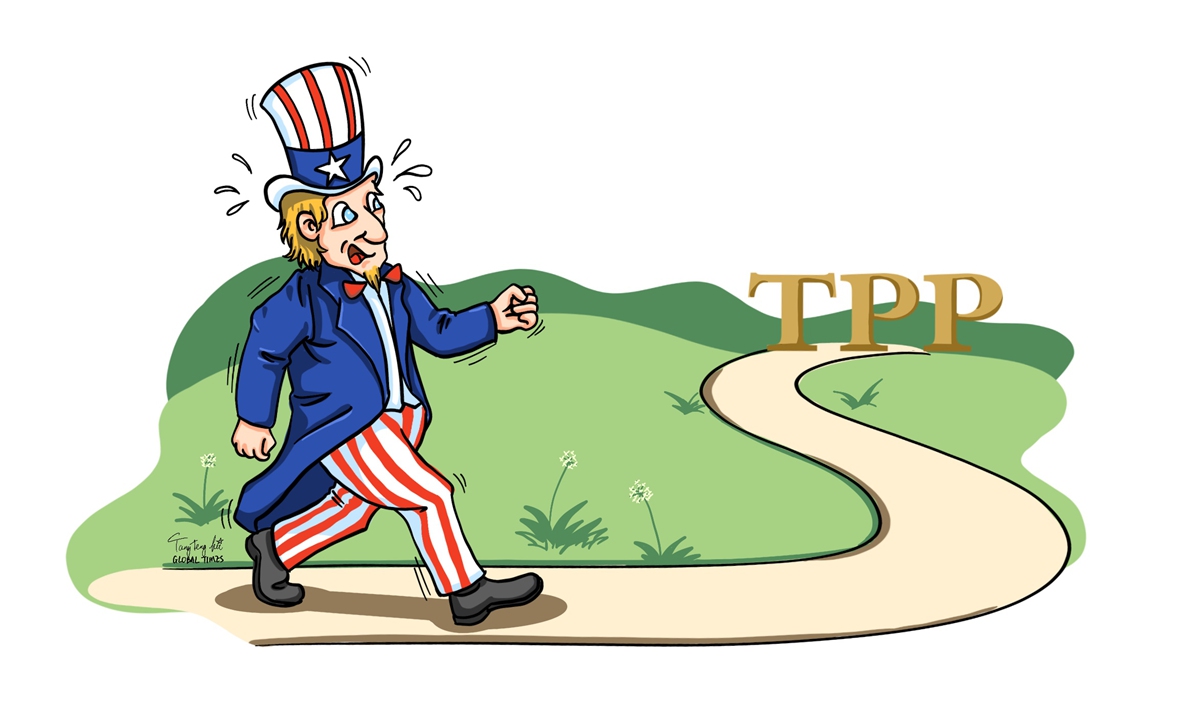
With US President-elect Joe Biden entering the White House in January, his intended approach in readjusting the US' foreign trade policy is put under the spotlight. A top adviser for Biden warned that the US should reflect on the recently concluded Regional Comprehensive Economic Partnership (RCEP) and China's interest in joining Comprehensive Progressive Trans-Pacific Partnership (CPTPP), signaling a possible choice for Washington to rejoin the regional trade pact which Trump ditched four years ago.
The system known as SWIFT, the US dollar denominated international payment network controlling 80 percent of the world's cross-border payment and information exchange among financial institutions, has played an important role in continued US efforts to interfere with the region.
The EU recently signaled its increasing desire to bond with the US as President-elect Joe Biden prepares to enter the White House. In order to gain strategic autonomy and raise its voice in the international community, Brussels hopes to get Washington on board by hyping the so-called "China challenge," despite the structural contradictions between the two sides.
In line with media predictions, US President-elect Joe Biden announced his new economic team with former Federal Reserve chairwoman Janet Yellen being officially nominated as secretary of Treasury. With the highly principled and pro-market Yellen leading Biden's economic response to the COVID-19 pandemic, the US market expect an enhancement of confidence amid the pandemic crisis.
China's plan to build a large hydropower project on the Yarlung Zangbo River has raised concerns in India over "potential political and ecological threats" as the river intersects Southwest China, India and Bangladesh.
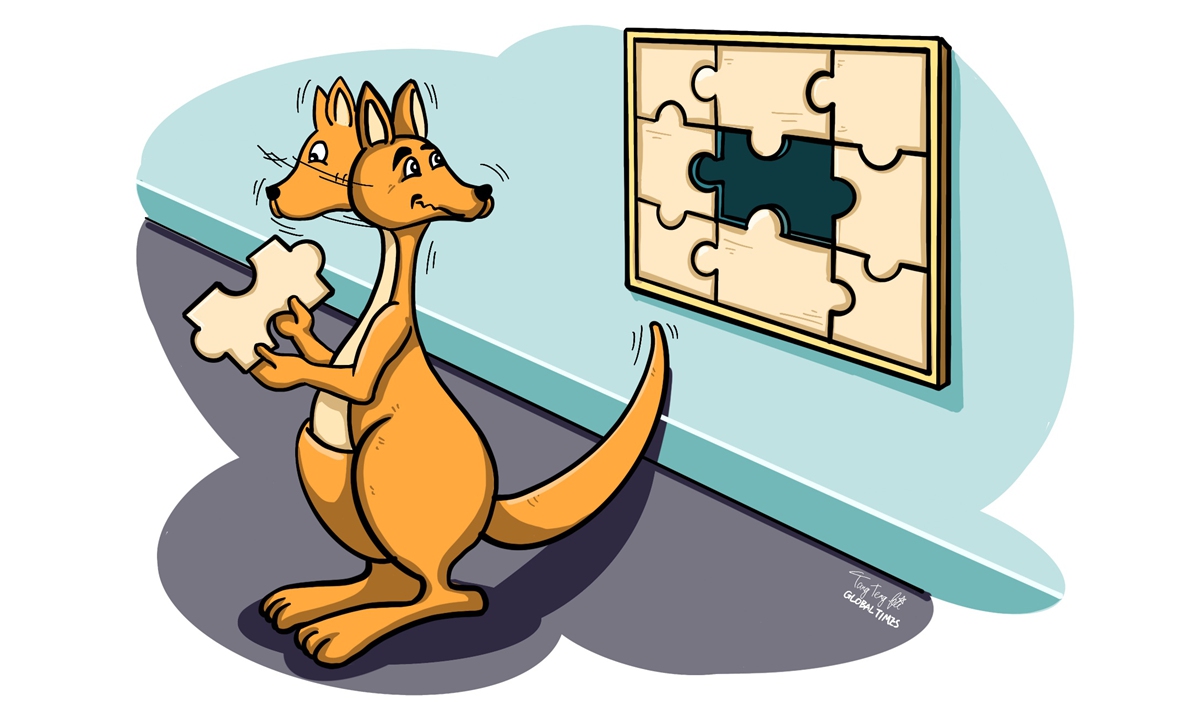
After sparing no effort to drag its relationship with China down to a historical low, Australia recently showed a sudden turn, expressing its intention to mend bilateral ties, but in a way seeming to bet on both sides – making “sweet talk” while also exerting pressure on China. It won't work, and it may make Australian industries suffer more.
It's been two years since Meng Wanzhou was arbitrarily taken into custody in Canada on December 1, 2018. While her early and safe return to China has been very much on the minds of her fellow Chinese, there have also been growing calls for Meng's release in Canada from fair-minded members of parliament, former ministers, retired diplomats, judges and lawyers - all adding their voices to the plea for justice and reason.
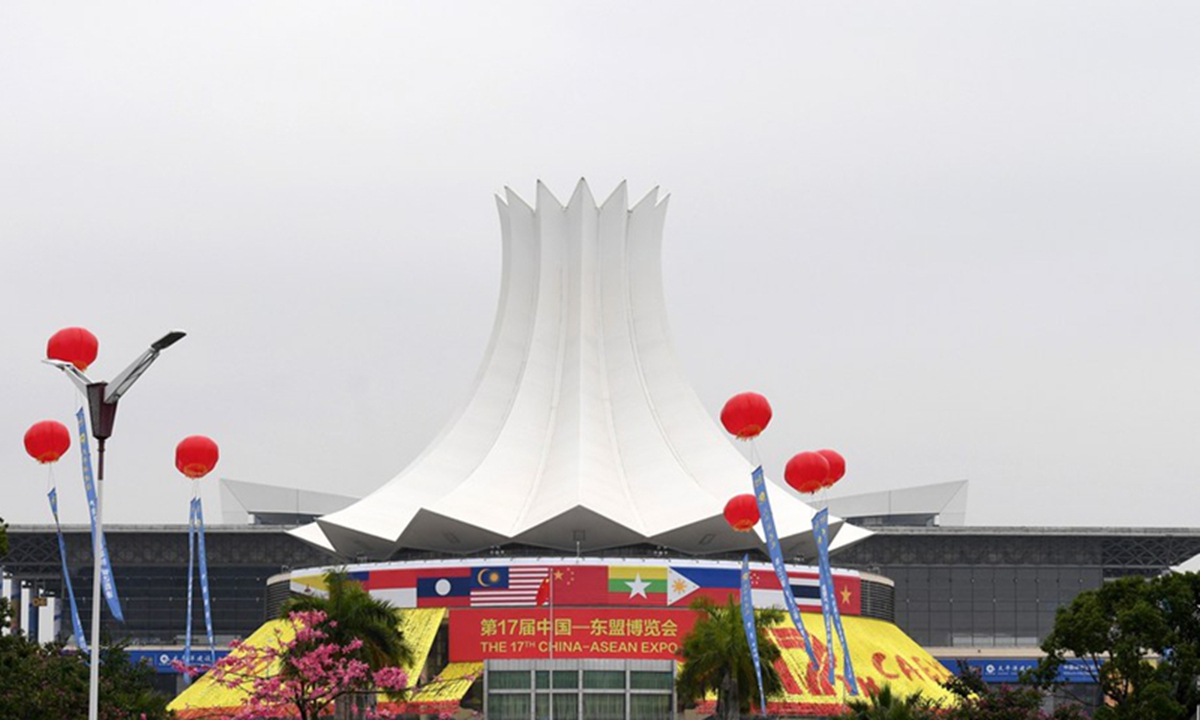
The 17th China-ASEAN Expo and China-ASEAN Business and Investment Summit opened on Friday in Nanning, South China's Guangxi Zhuang Autonomous Region.
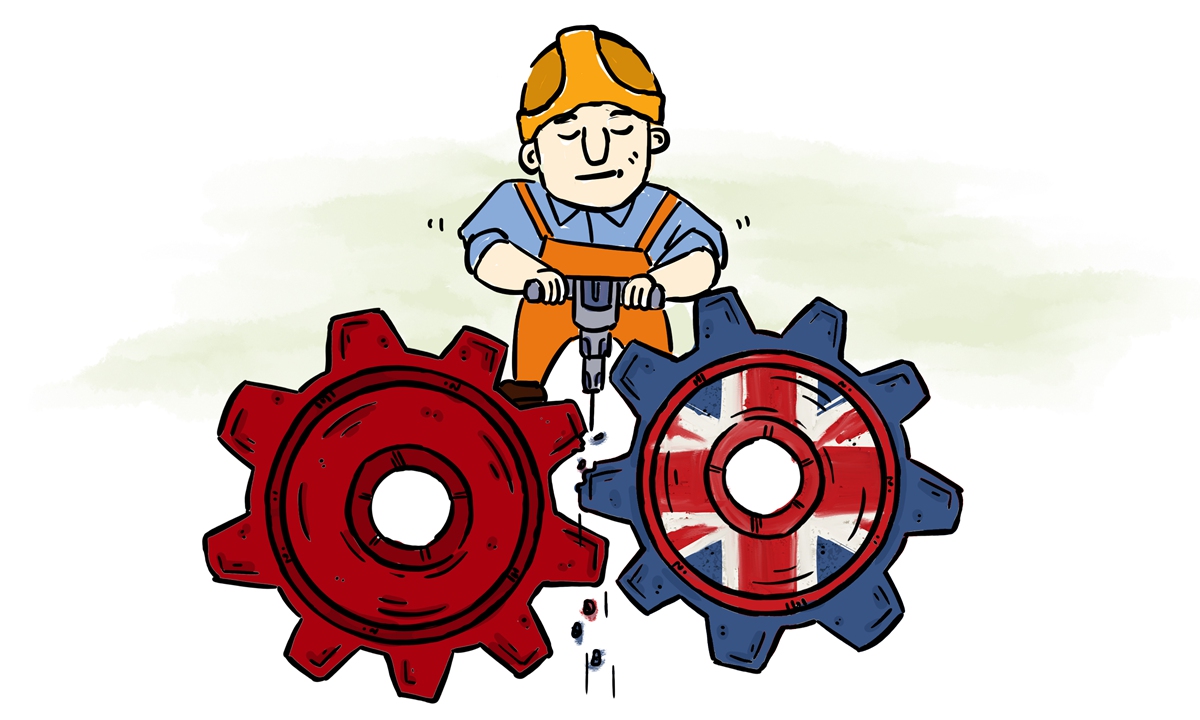
As the due date of leaving the EU draws near, the UK recently signaled an intention to reset its diplomatic relations, including with China. The UK seems inclined to take a more aggressive path towards China at a cost of obstructing a free trade agreement talks with the world's second largest economy, among others.
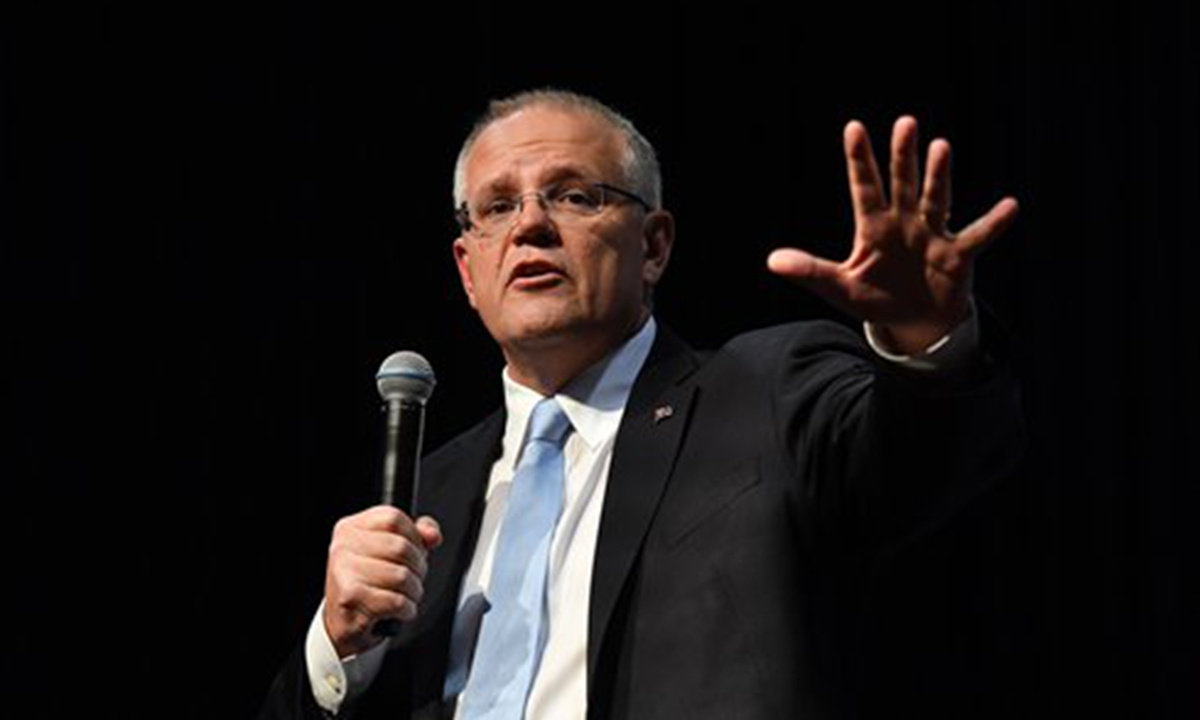
Australian Prime Minister Scott Morrison said at a virtual meeting of a British think-tank on Monday that Australia is pleased to see China's rise and hasn't done anything to contain its economy rise of China, but Canberra's actions were misinterpreted.
US National Security Adviser Robert O'Brien concluded visits to the Philippines and Vietnam a few days ago, which follows US Secretary of State Mike Pompeo's visit to Vietnam at the end of last month.
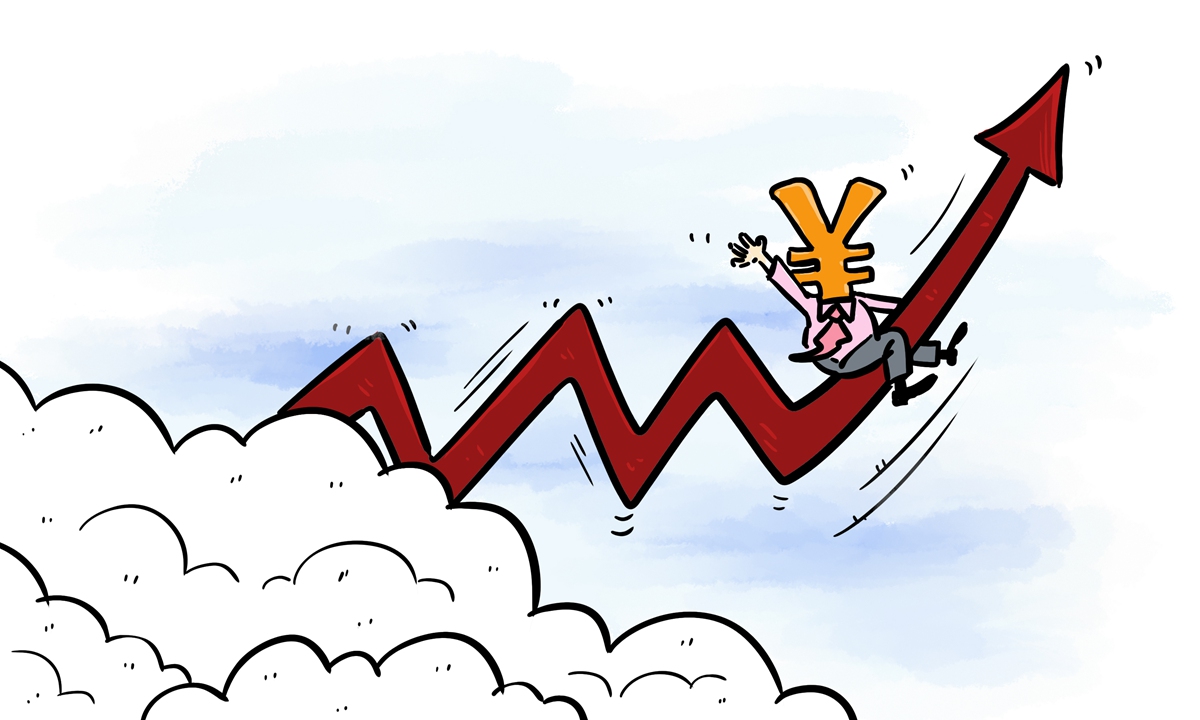
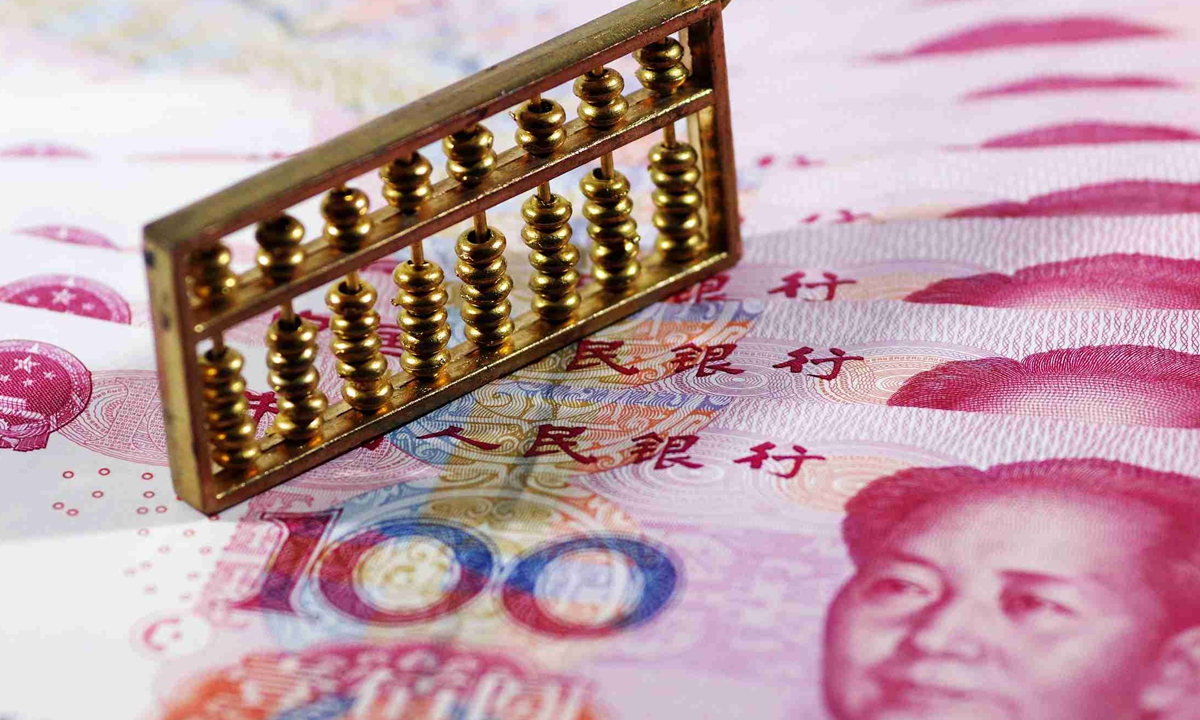
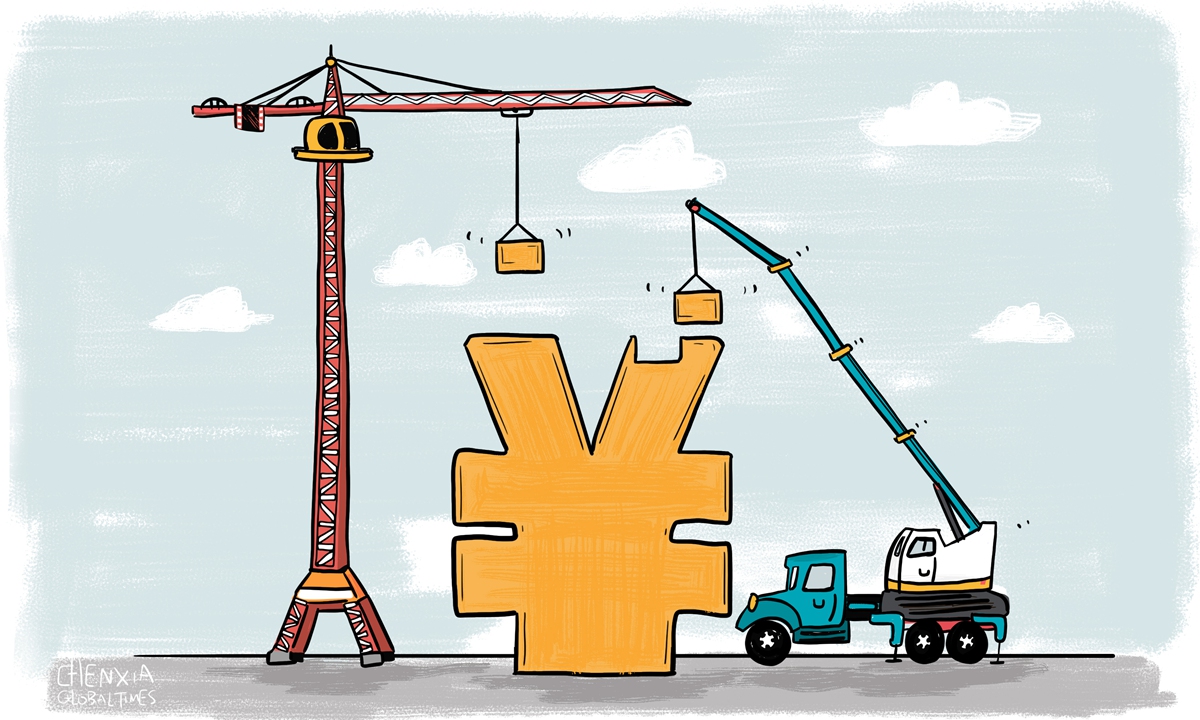
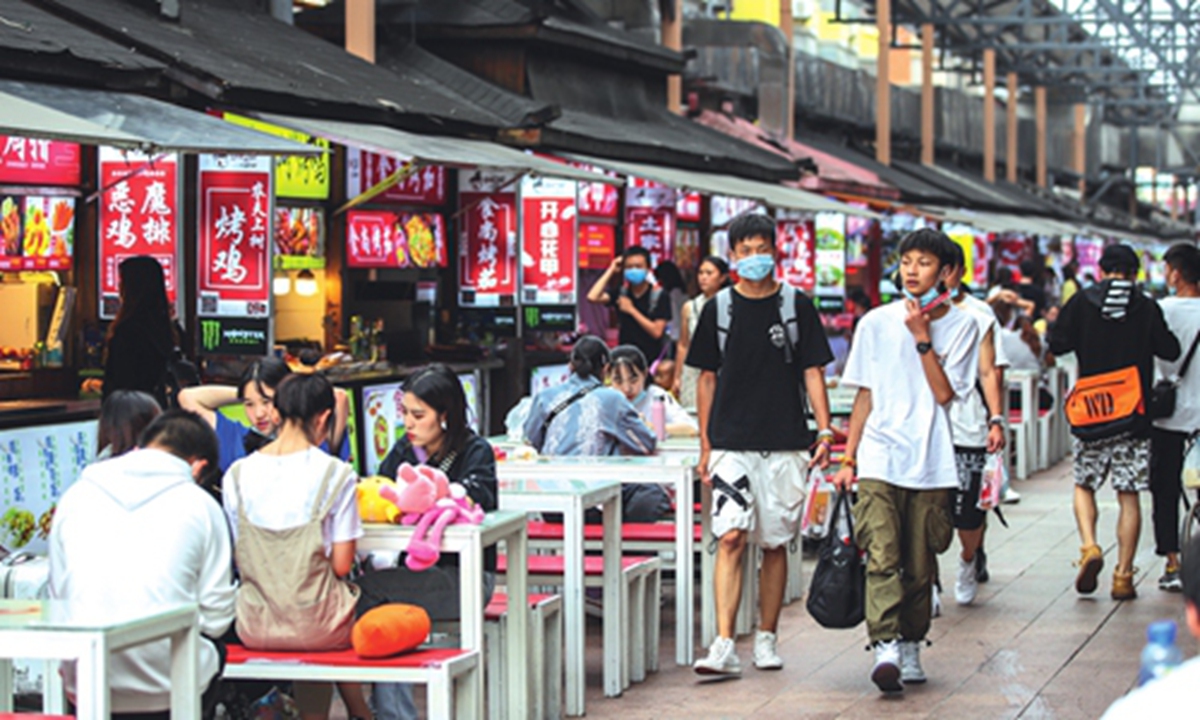
China's currency, yuan, has continuously strengthened since June alongside the rapid recovery of China's economy. This appreciation trend has, however, had limited impact as Chinese exports remain resilient in the past months, and the nation's domestic market has shown rosy prospects guided by the new growth strategy known as "dual circulation".
While struggling with Brexit and the deadly novel coronavirus, the UK economy is facing a daunting challenge, including its industrial hollowing-out and lagging development in emerging high-tech industries, which all need massive and long-term investment, instead of playing geopolitical games.
Against the backdrop of the COVID-19 pandemic and a global recession, Saudi Arabia hosted the G20 summit virtually over the weekend. How to deal with the pandemic and achieve economic recovery was the key topic of the summit.
The 43rd meeting of the State Council Financial Stability and Development Committee was held on Saturday, according to a report published by gov.cn, the official website of the Chinese government. The meeting has sent a clear signal: the country will dial up regulation of the corporate bond market in order to safeguard the stability of the money market.
Among India's trade partners that have seen slumping shipments to the South Asian country, China showed a relatively resilient pace, with its share increasing in India's total imports during recent months despite the COVID-19 pandemic and India's constant undermining of bilateral ties.
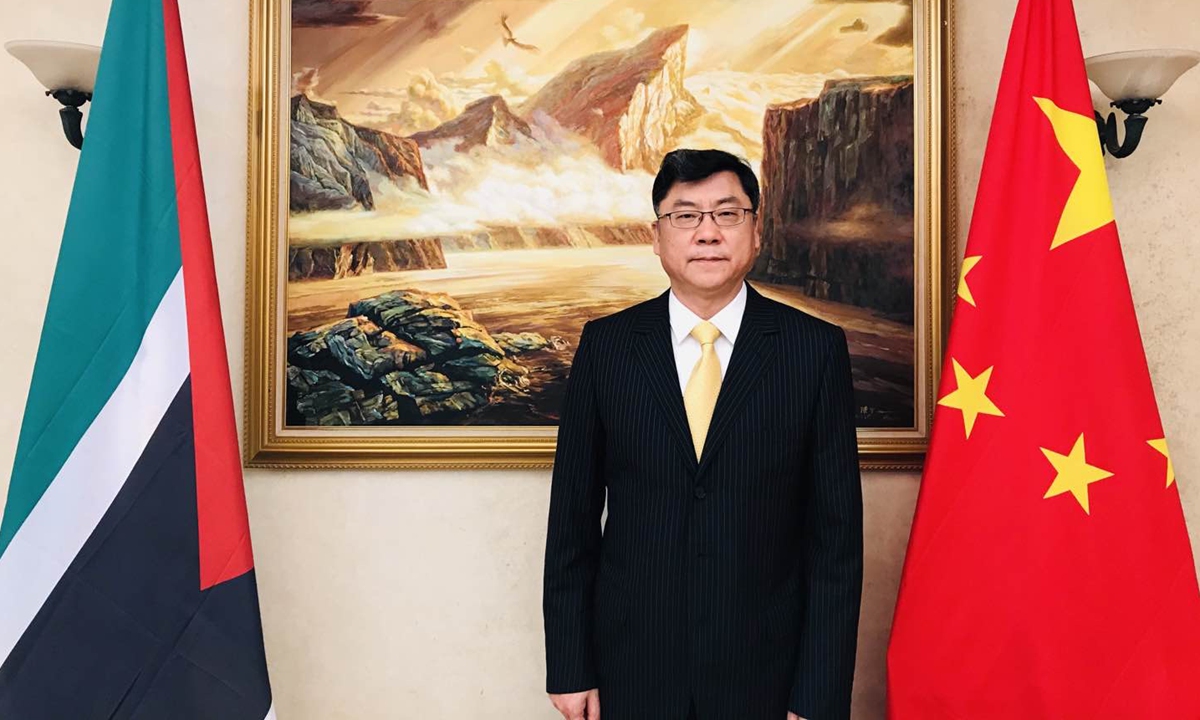
This year marks the 20 year anniversary of the founding of the Forum of China-Africa Cooperation (FOCAC). Since the first forum was held in 2000, I had the opportunity to participate in the relevant work of several events. I witnessed the forum grow and gain the world's attention.
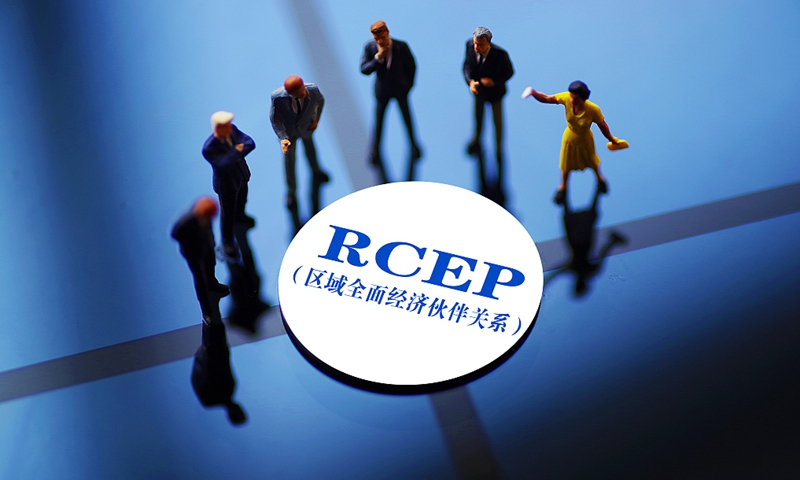
While certain politicians from the EU are grumbling about potential influence from the freshly signed Regional Comprehensive Economic Partnership (RCEP), multinationals have shown a clear path they picked to pursue a rosy future by betting on the Chinese market.
The signing of the Regional Comprehensive Economic Partnership (RCEP) by 15 Asia-Pacific countries has sparked concerns among US-led Western world of losing dominance in global trade system. From media to politicians, there are voices suggesting to contain potential influence of the fresh trade deal.
In the wake of the successful signing of the world's largest trade deal - Regional Comprehensive Economic Partnership (RCEP) that encompasses a third of the global economy, a higher level trilateral free trade agreement(FTA) among China, Japan and South Korea is likely to be reached sooner than expected.
The world has been badly hit by the COVID-19 pandemic for nearly a year, bringing an urgent need for global cooperation on virus containment as well as economic recovery. With the upcoming virtual G20 Summit scheduled to start at the weekend, multiple hot topics including cooperation on vaccines have drawn wide expectations.
The US-China trade war is not really about trade; it's about technology transfer and decoupling.
With little over two months left in the White House, US President Donald Trump - who stands little chance of turning the tide and has seemingly no intention of submitting to a peaceful transfer of power - is reportedly planning to continue with his tough anti-China policies.
The signing of the Regional Comprehensive Economic Partnership (RCEP), which covers 15 countries and 30 percent of the global economy, undoubtedly offers a driving force for the involved economies to regain growth momentum to struggle out of the COVID-19 mire and win advantages during the post-pandemic era.
Despite extreme weather and the novel coronavirus epidemic, China and Mozambique's bilateral cooperation under the Belt and Road Initiative (BRI) has deepened, stabilizing Mozambique's economic situation, strengthening Mozambique's economic resilience and boosting market confidence.
It's hoped that Australia can continue to pursue an independent and friendly policy toward China and take concrete actions to repair bilateral relations.
Despite the deadly novel coronavirus hitting the global economy, China and members of the Association of Southeast Asian Nations (ASEAN) have seen economic exchanges heat up, including surging trade and investment flows, which maintain the momentum for further rosy growth based on deepened bilateral economic ties.
Discussions over the possible policies of the new US administration have begun rising. Americans are still internationalists at heart, and they don't support isolationist foreign policy, Robert Zoellick, a former World Bank president, wrote in a recent opinion piece.
With over 270 Electoral College votes, Democratic presidential candidate Joe Biden was projected to be the winner of the 2020 US presidential election. The relatively multilateralism-inclined politician has draw expectations worldwide that he may reverse Trump's blow for multilateral mechanisms, including World Trade Organization (WTO) and its crucial Appellate Body.
Despite the impact of COVID-19 and African swine fever, China's appetite for meat is showing no sign of slowing down. The country is the world's largest consumer of meat by some margin, with citizens expected to eat 40.3 million metric tons of pork in 2020, according to the United States Department of Agriculture (USDA).
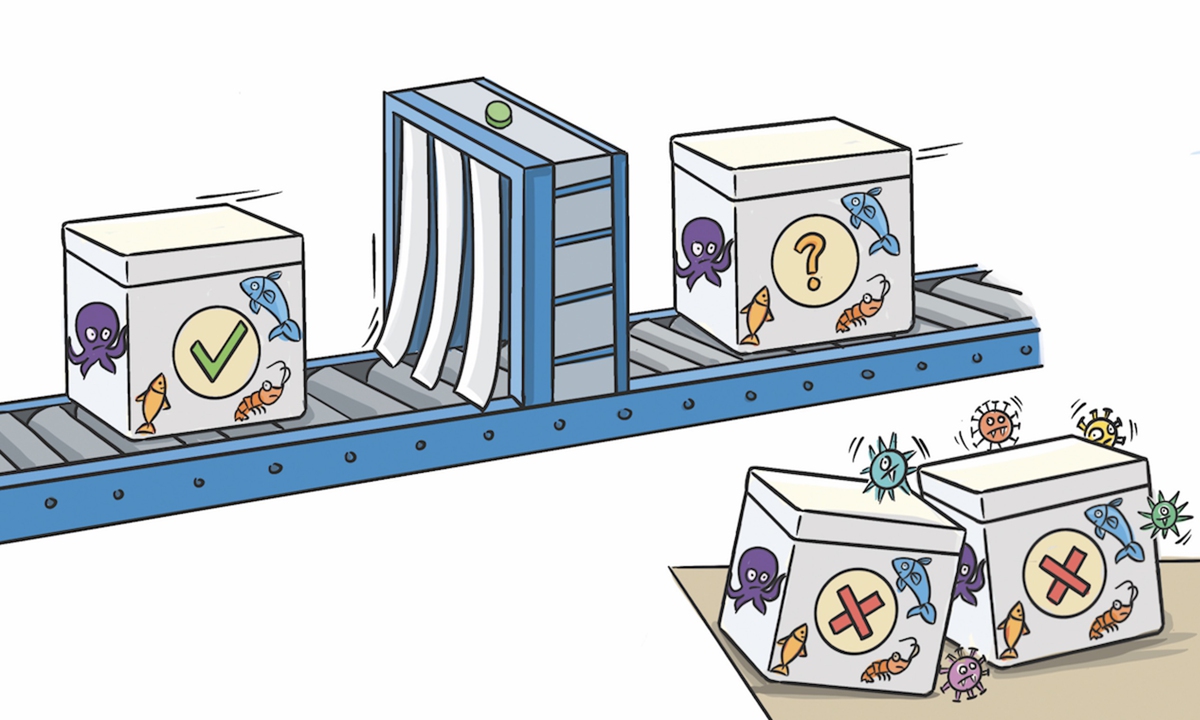
Amid China's firm and effective prevention of the epidemic, continuously emerging positive novel coronavirus tests related to cold-chain imports have alerted Chinese consumers, and raised further requirements for food security from foreign suppliers, including a sound traceability system and stricter inspection.
Indian Home secretary Ajay Kumar Bhalla said that New Delhi was yet to make a decision on whether to allow Chinese telecom companies to participate in the upcoming 5G network construction in India, the Times of India has reported.
As China seeks industrial self-reliance, economies including Malaysia, Singapore, Thailand and Chile will face losses due to losing market share in China, Reuters reported, citing a recent report by Euler Hermes, a credit insurance company under Allianz.
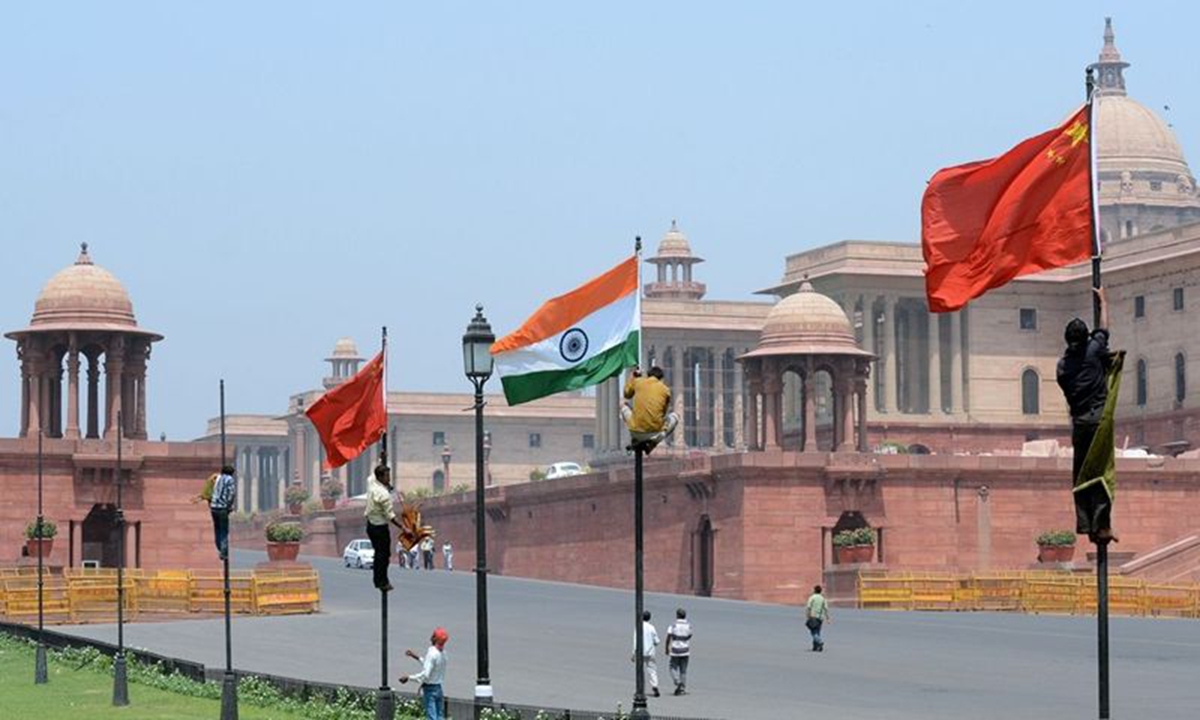
The 20th Meeting of the Council of Heads of Member States of the Shanghai Cooperation Organization (SCO) will be held virtually on Tuesday, and is expected to solidify member states' consensus on coping with regional and global challenges amid the COVID-19 pandemic. It could also serve as a turning point for escalating China-India tensions due to border issue and deteriorating economic and trade relations soured by India's decoupling moves.
Since China rolled out a new development pattern featuring "dual circulation," there have been voices hyping concerns that the Chinese economy is "turning inward," and even interpreting the enhancement of internal circulation as "closing doors" to the global market. These claims are groundless and lack any basic foundation in economics.
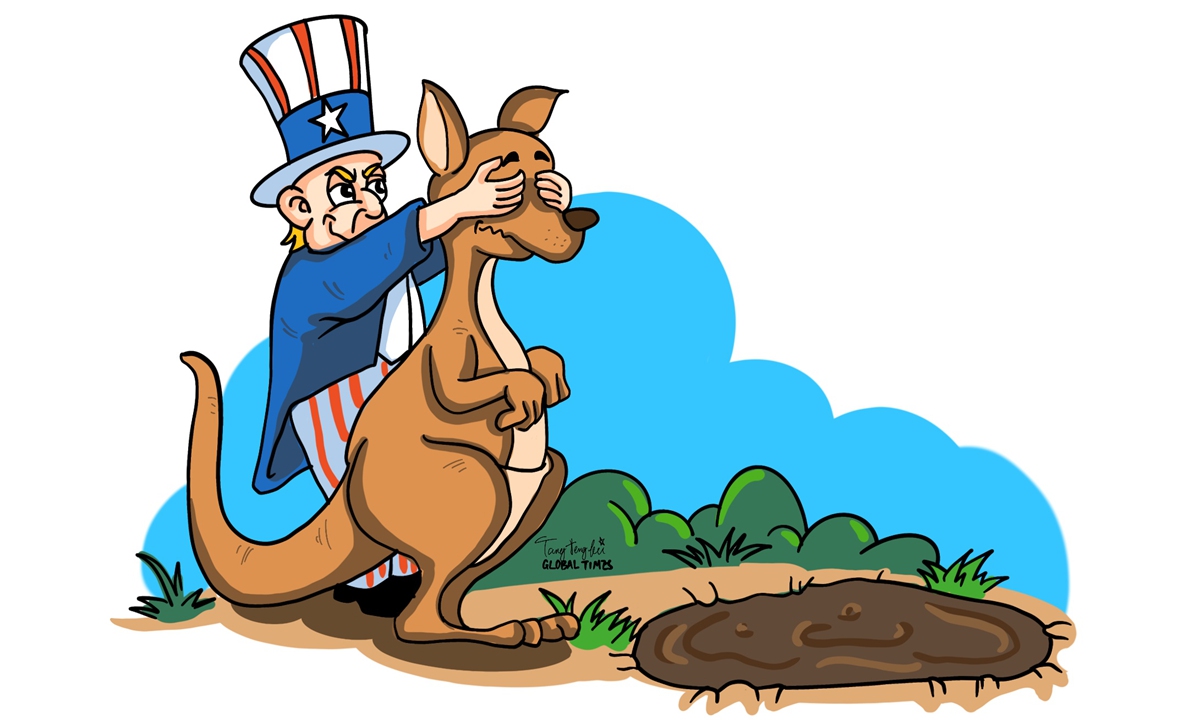
Amid reckless efforts to sabotage relations with China, certain Australian politicians have used every opportunity to slander China through politicizing economic activities. Recent setbacks to its exports to China have touched the nerves of these impenitent anti-China forces, including Chinese customs' inspection of the metal content of lobsters imported from Australia, which is a normal clearance step to ensure food security.
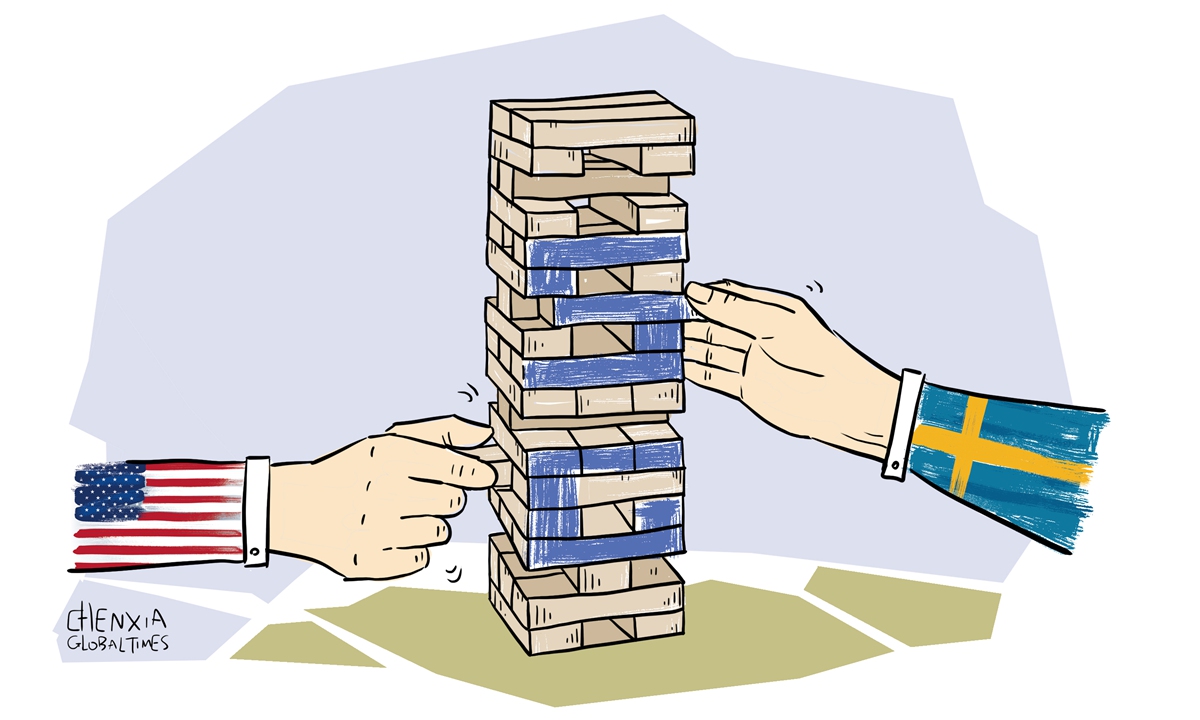
Swedish authorities have announced restrictions on Chinese 5G developers from joining the country's 5G network construction, under the unproven but catch-all guise of "national security" concerns. Such a move, siding with the US' anti-China campaign, will inevitably lead to damage to its economic and trade relations with China and put Swedish firms' businesses in China at risk.
The "dual circulation" strategy aims to build up an open and inclusive system in which internal and external markets boost and support each other.
Amplifying America's anti-China war cry, several US politicians have been dashing around the world, fabricating facts and creating political gimmicks they think will help their own interests. US Undersecretary of State Keith Krach is just such a politician. Keenly pushing a so-called Clean Network initiative that targets Chinese telecom producers, he claims that the program has successfully strangled the development of Chinese companies.
After major economic indicators showed a weak performance for more than one year, the Hong Kong Special Administrative Region's (HKSAR's) exports rebounded the most in nearly two years in September on the back of a recovering Chinese mainland economy.
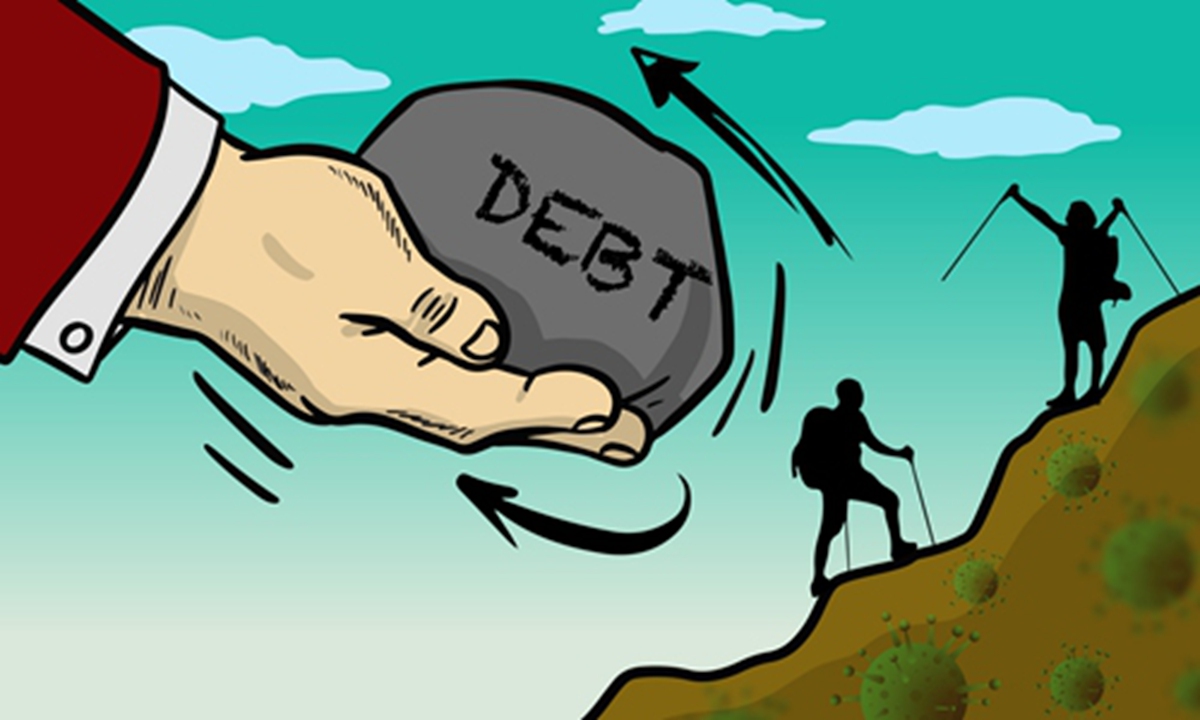
Zambia has reached a deal to defer debt repayments that were due this month on a loan from the China Development Bank (CDB), the Reuters reported.
Despite a spiraling downward bilateral relationship, some anti-China forces in Australia have spared no efforts to keep expanding the ideology-biased hostility into every aspect, even normal city-level communications.
Goldman Sachs recently agreed to pay more than $2.9 billion to regulators around the world to resolve probes into its central role in the 1Malaysia Development Berhad (1MDB) debacle, CNBC reported.
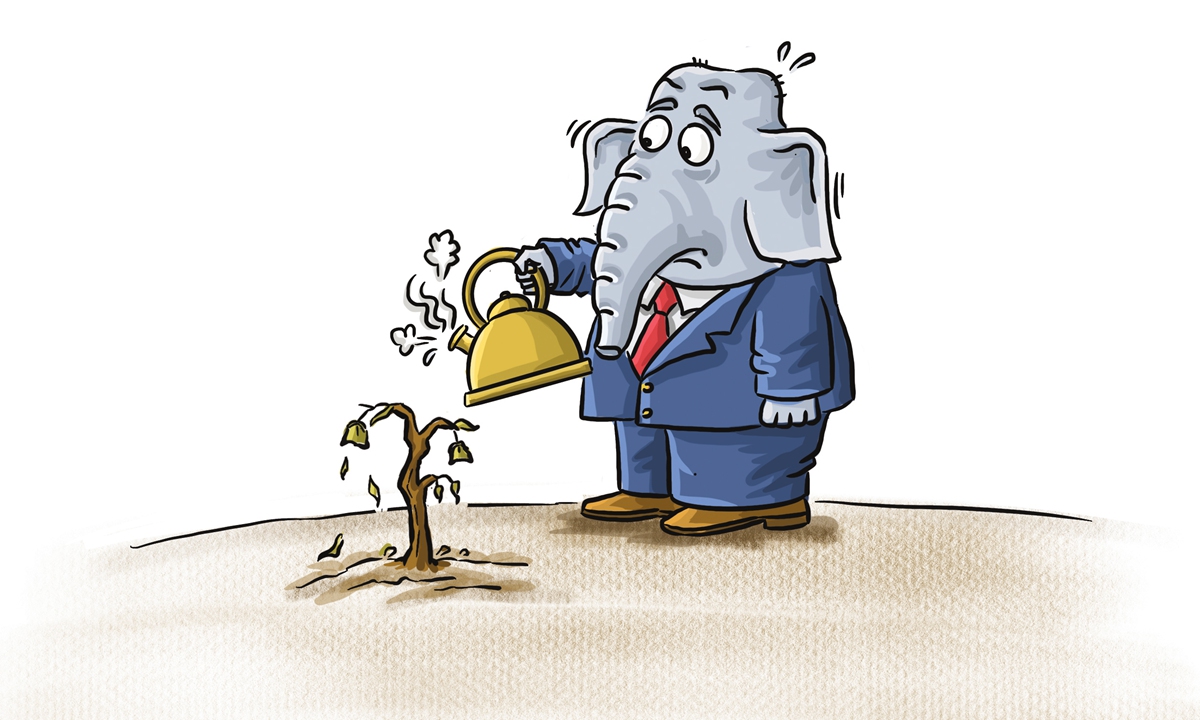
The US Republican Senator Marco Rubio has upped his attacks on Chinese firms, trying to cut ties from the US capital market of certain Chinese companies. This cold war mentality shared by some US politicians goes against market principles and is doomed to fail in the long run.
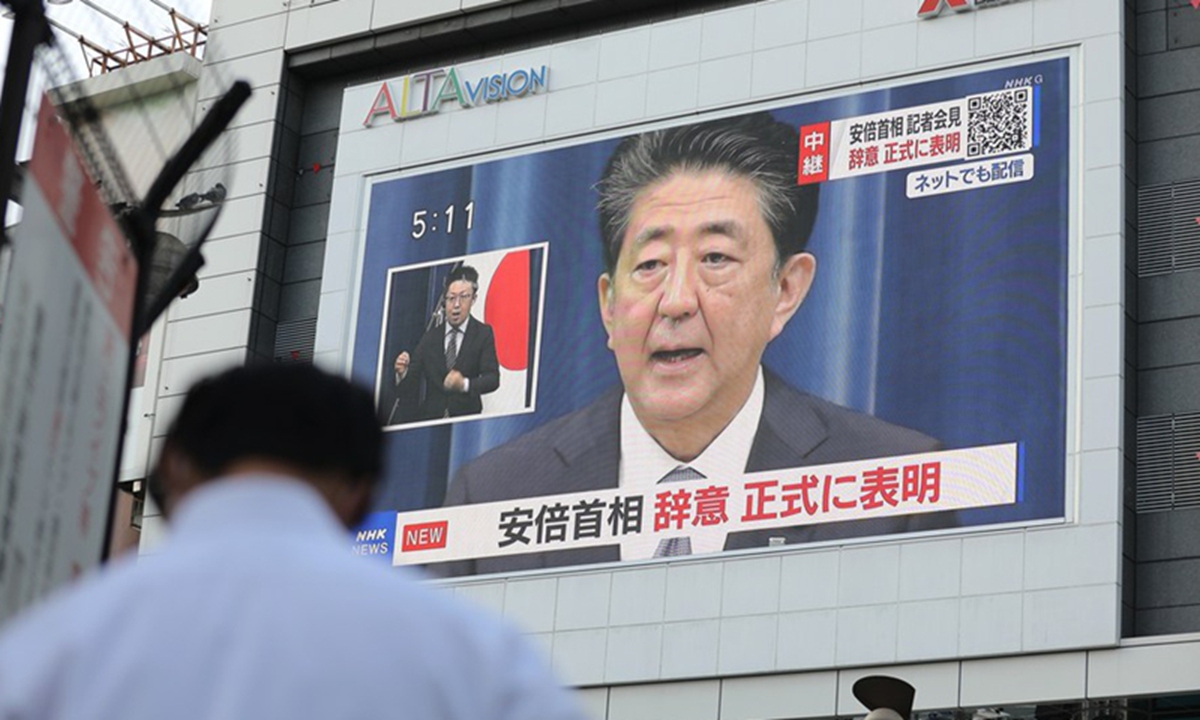
Former Prime Minister Shinzo Abe's resignation could significantly alter Japan's economic policies. When Abe took the reins in December 2012, the economy was beset by three intertwined problems: large annual budget deficits; persistent deflation, which made reducing debt ratios nearly impossible; and weak economic growth since Japan's equity and real estate bubbles popped in the early 1990s.
The African country of Zambia recently sought debt restructuring against the backdrop of the COVID-19 pandemic sweeping the world, while some Western media and politicians again tried to hype some developing countries' debt problems and defame China's efforts to strengthen cooperation with Africa.
The fifth plenary session of the 19th Communist Party of China (CPC) Central Committee, which began on Monday in Beijing, has attracted global attention.
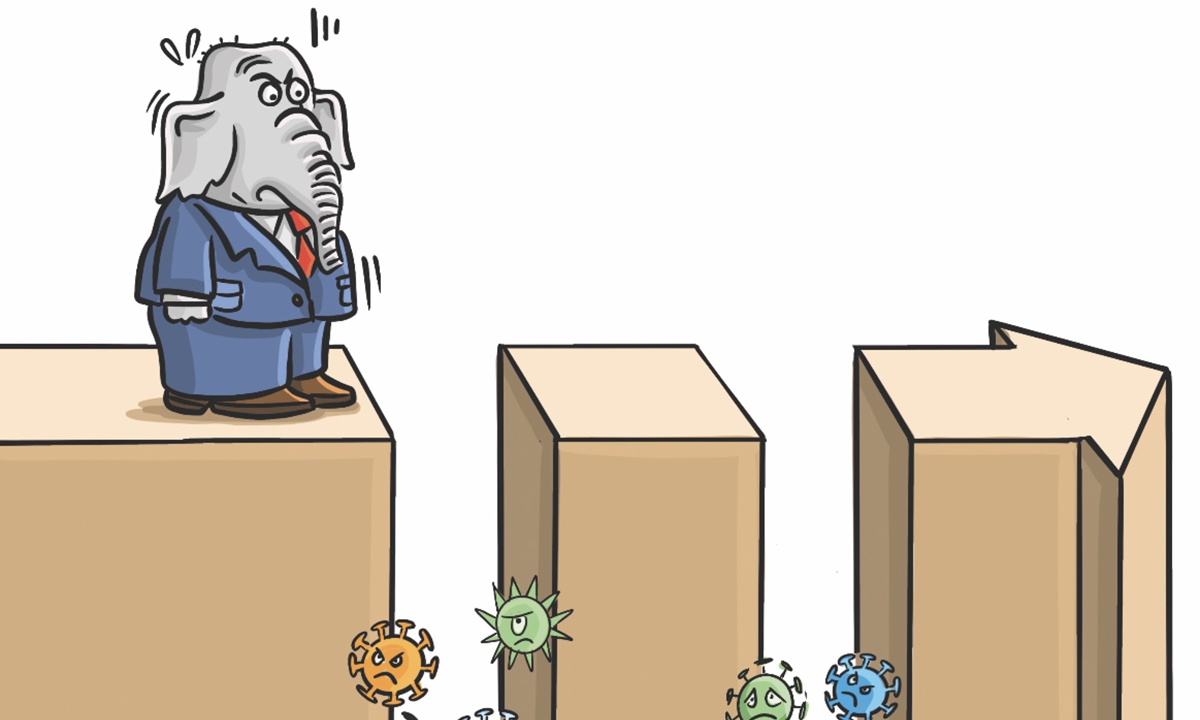
As winter draws near, concerns are rising that the risk of COVID-19 resurgence may undermine China's prospects for a hard-won economic recovery, especially after Kashi in Northwest China's Xinjiang Uygur Autonomous Region recently reported an outbreak that medical experts suggest may have connection with the cold weather.
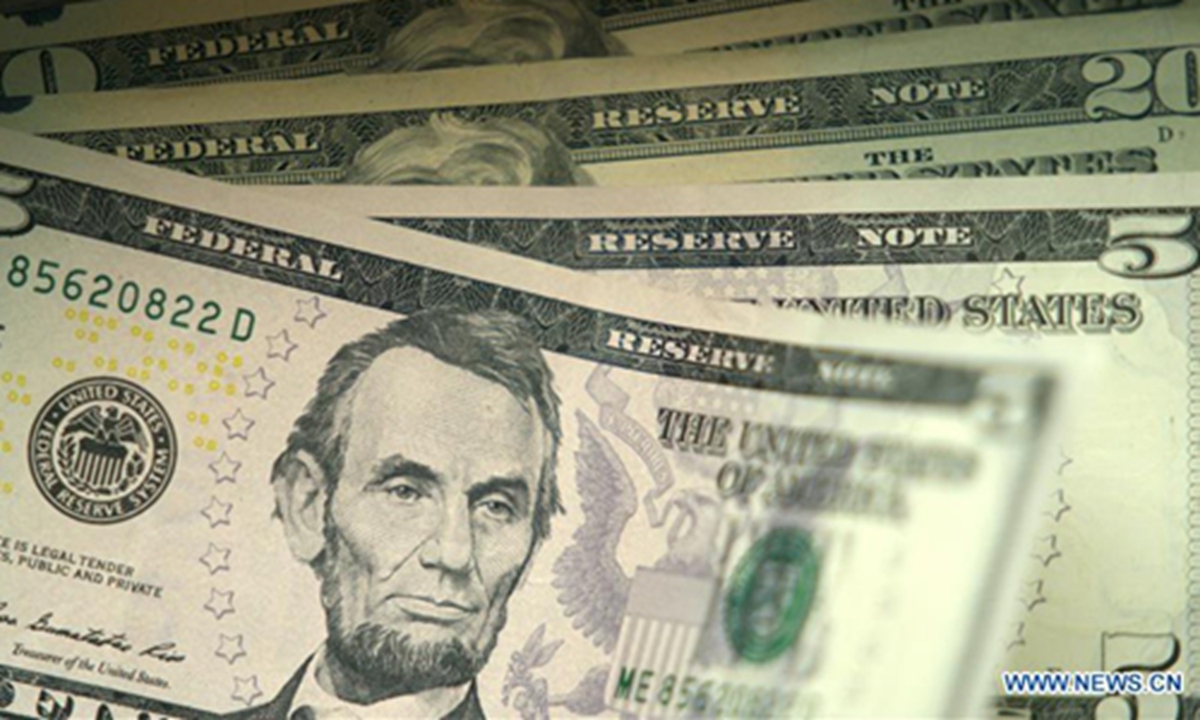
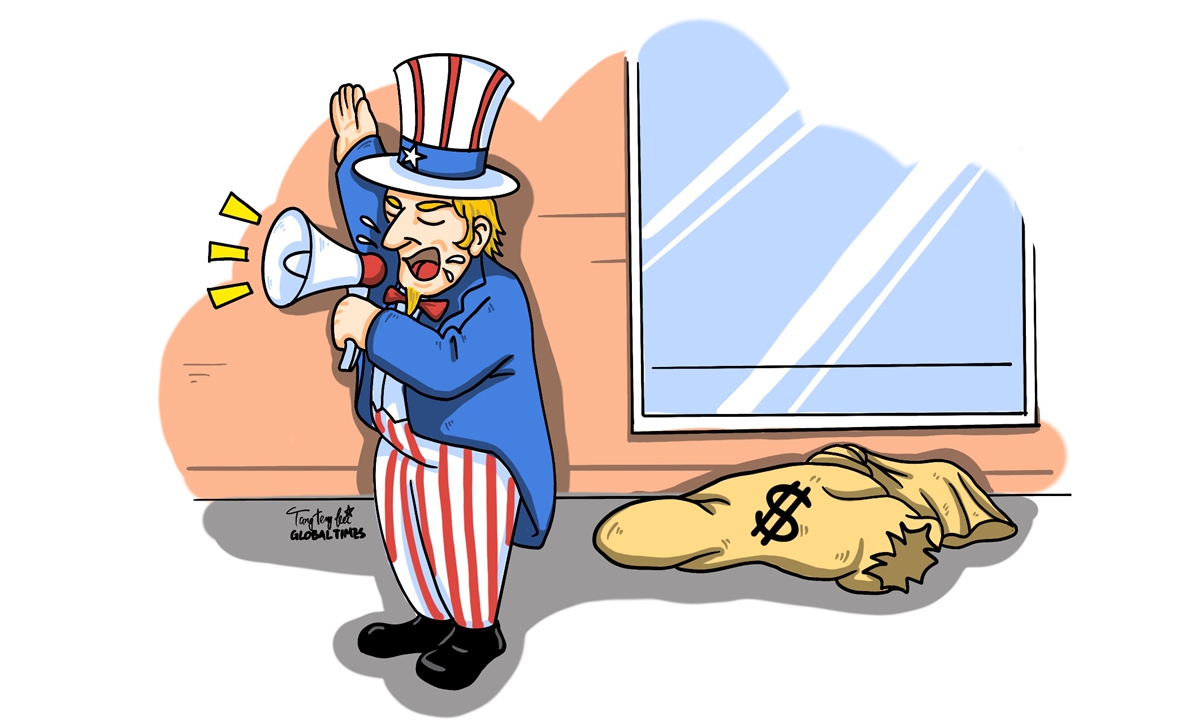
The US dollar has maintained international payment dominance for decades. To this day, the dollar remains the primary global reserve currency, and plays a prominent role in global trade and financial flows.
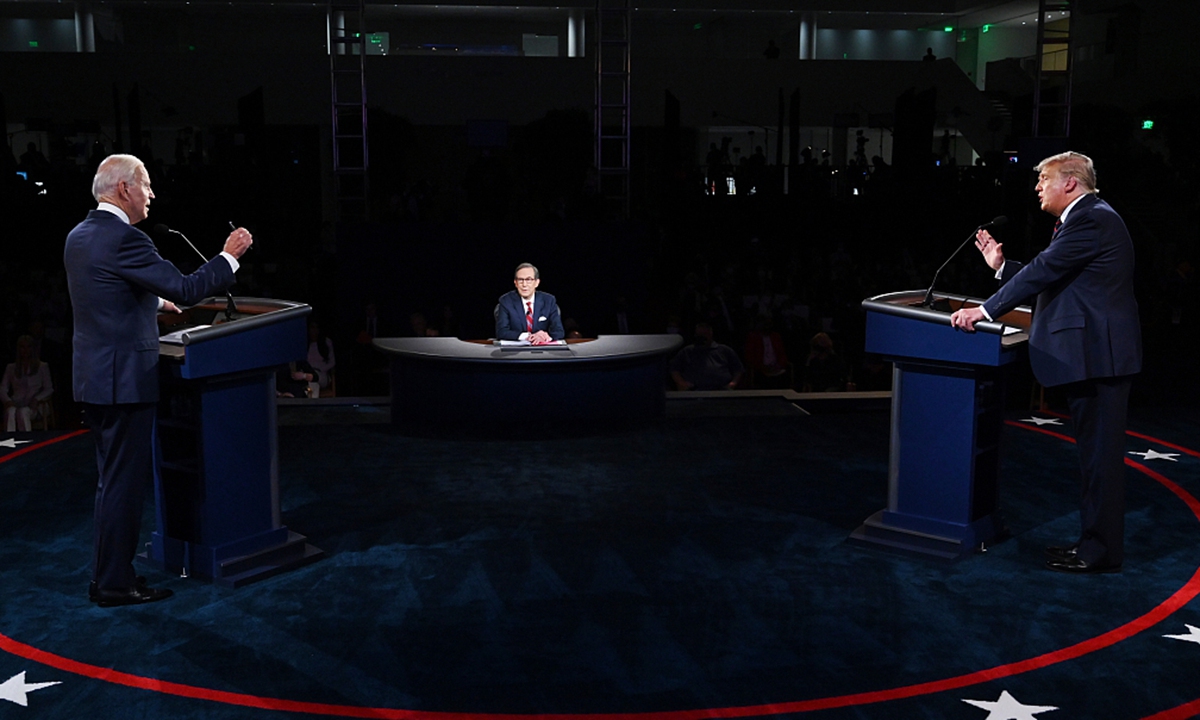
The second and final presidential debate before the 2020 US election, between Republican President Donald Trump and Democratic challenger Joe Biden, will be held on Thursday night US time. The first debate was so "hostile" and "chaotic" that the mute button introduced by the debate commission has become a hot subject for media outlets on the eve of the debate.
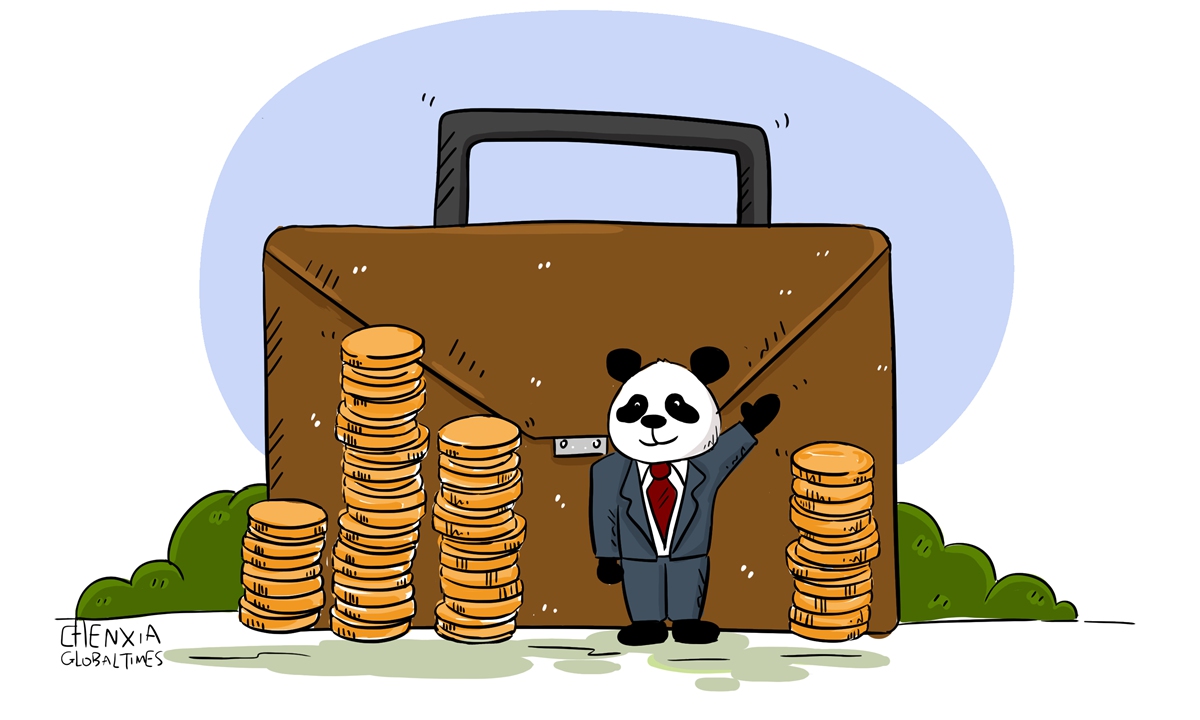
Against the backdrop of an increasingly complex global environment, the upcoming launch of China's 14th Five-Year Plan (2021-25) has drawn extensive attention. Among a series of expected highlights, more targeted and sound policies to attract foreign capital are expected, especially when China has committed to deepen reform and opening-up, and foreign capital has a golden opportunity to grow amid China's improving business environment.
Taiwan is an inalienable part of China's territory, and India, as a country having diplomatic relations with China, should be aware that playing Taiwan card to challenge China's red line will have severe consequences.
China has passed the Export Control Law of the People's Republic of China on Saturday. The law, which will take effect on December 1, stated that if any country or region abuses export control measures to endanger China's national security and interests, China can take reciprocal measures based on actual conditions.
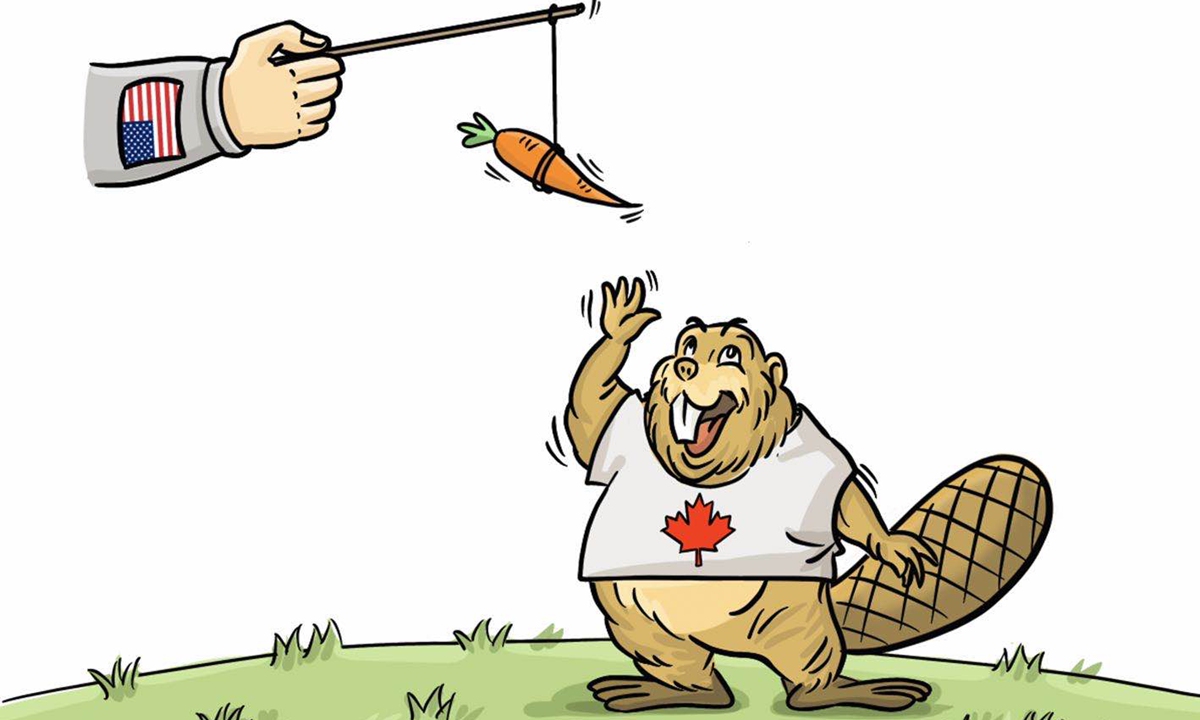
Indian Prime Minister Narendra Modi welcomed Canadian investors with open arms at an investment promotion conference in Canada earlier this month. While New Delhi is trying to attract more investors from economies like Canada and the EU, it has not reduced its resistance to Chinese investments.
In order to further assault Chinese telecom producers Huawei and ZTE, the US has come up with a new idea to lure developing countries away from using equipment of these Chinese companies by offering them loans and other financing, according to media reports.
After the hype surrounding a rumoured "coal import ban", Australian media outlets are now stirring up market concerns over another commodity - cotton. As a result of such speculation, some Western media outlets have even began pedaling a "shadow trade war" theory.
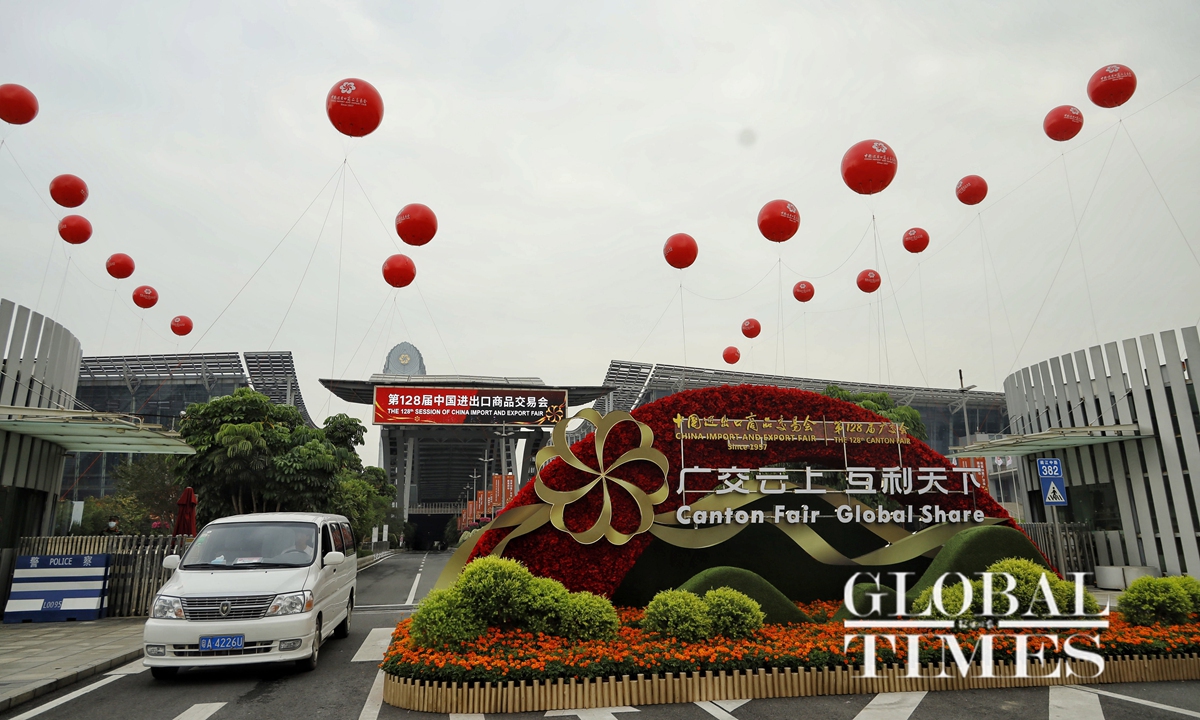
The 128th China Import and Export Fair, or Canton Fair, opened online on Thursday. This is the second online edition of the world's largest comprehensive international trading event after the COVID-19 epidemic outbreak. Although it's still subject to many limitations compared with the mature model of the on-site exhibition, the second online edition has made many improvements over the first one.
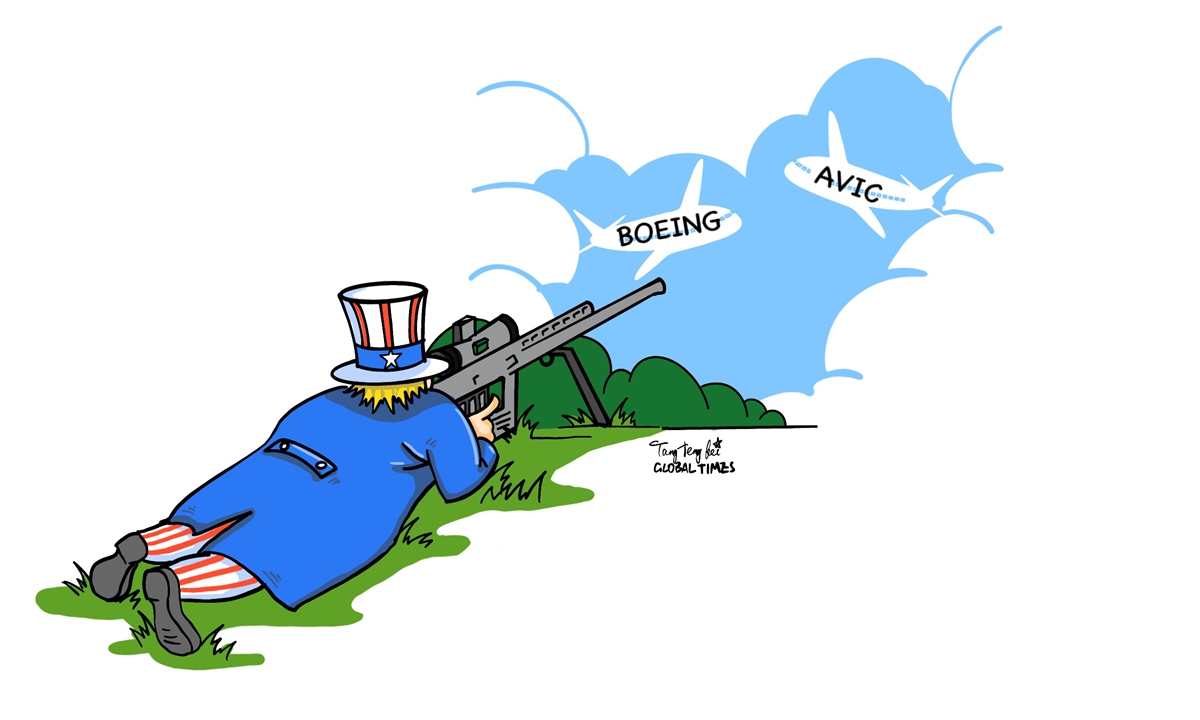
The US authority has been tirelessly making lists of Chinese companies to attack, for which the plane-maker Aviation Industry Corporation of China (AVIC) could be the latest entry to the US penalty list. However, the potential sanction on the Chinese company, this time, will likely drag the US aviation industry and the international aviation industrial chains into the morass.
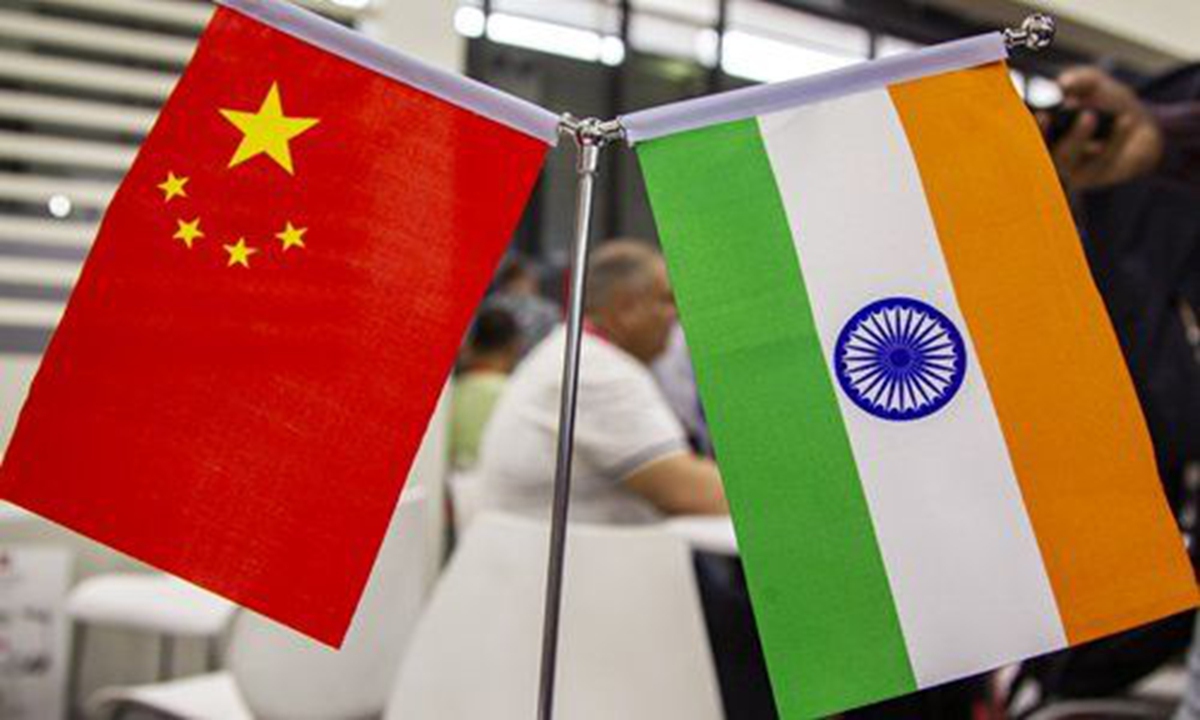
The latest data shows that trade between China and India slumped in the first three quarters amid the COVID-19 pandemic, and may lead to a decrease in India's trade deficit with China this year. Though it would be in line with New Delhi's intentions in terms of statistics, to keep narrowing the trade deficit is not a realistic target for the nation and any non-economic approach to closing the gap would hurt India's interests.
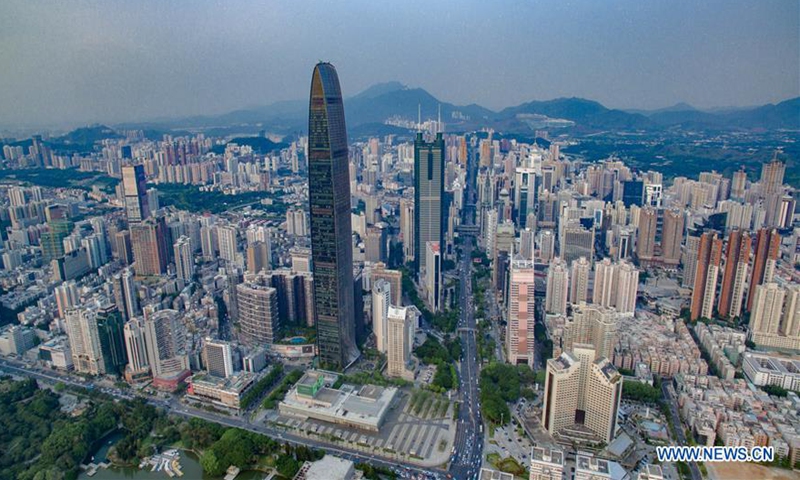
As Shenzhen ushered in new pilot reforms on the eve of its 40th anniversary celebration as a Special Economic Zone (SEZ), it is believed that promoting further cooperation with Hong Kong will remain a focus of the SEZ's long-term development, and the cooperation will reach deeper levels and wider fields.
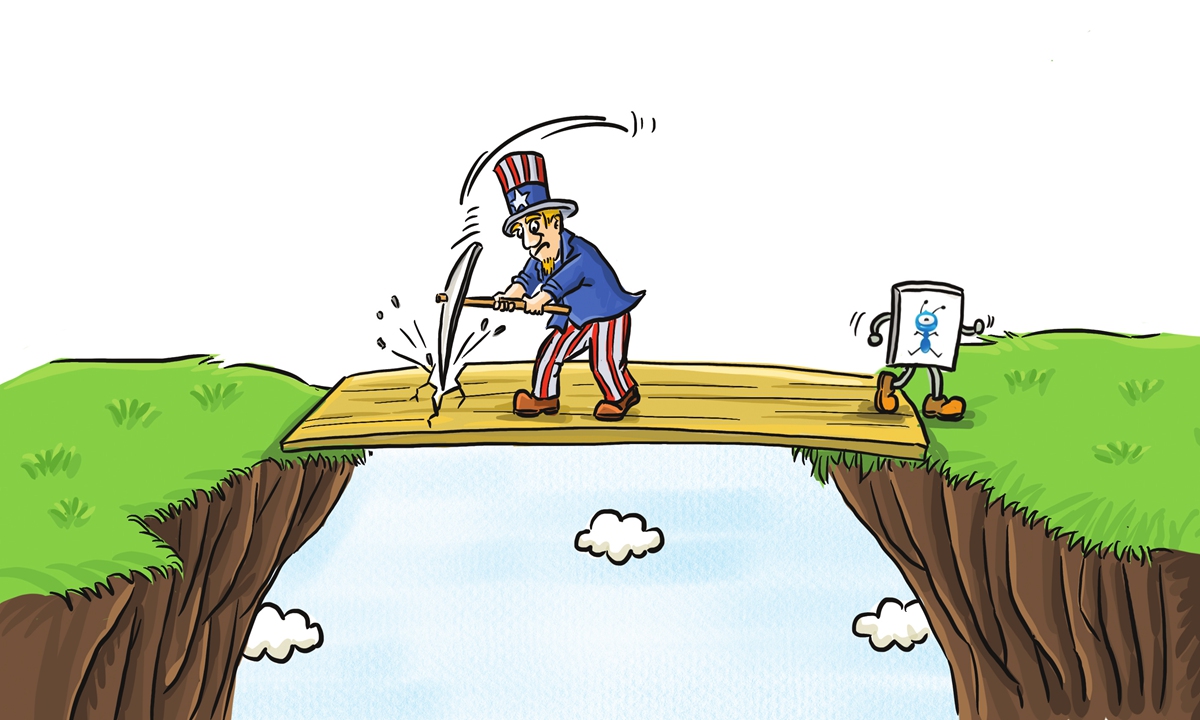
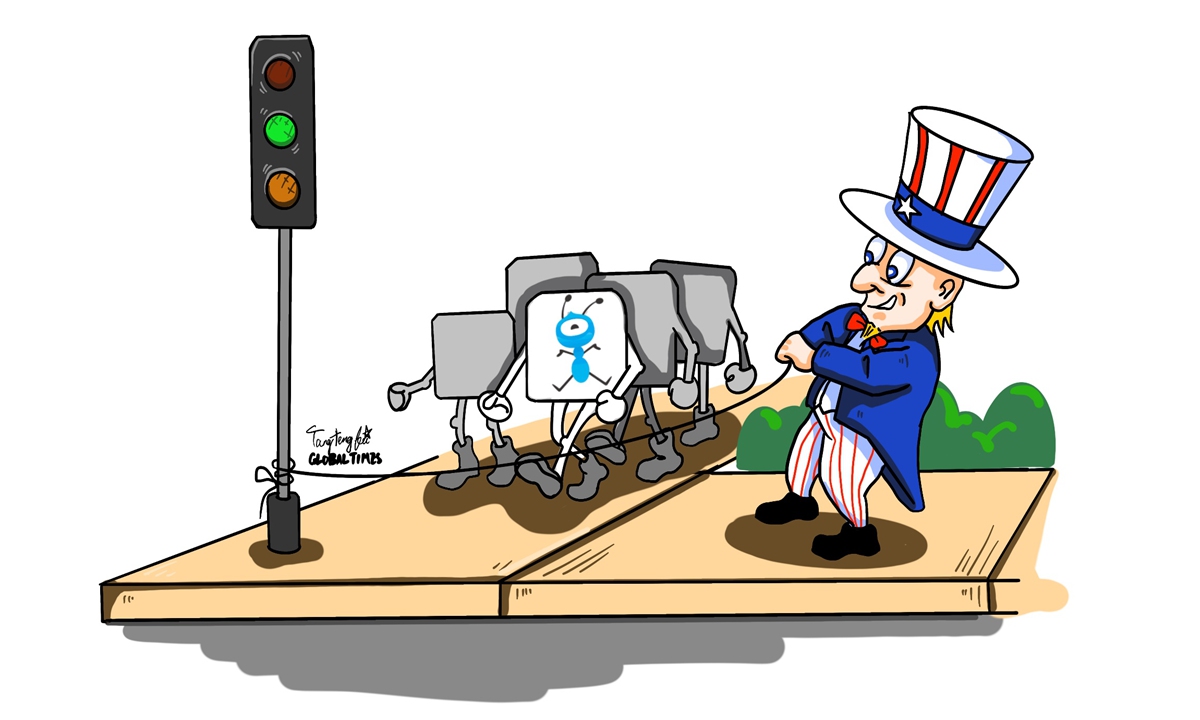
China's leading fintech company Ant Group made headlines recently after initiating unprecedented dual initial public offerings (IPOs) in China. Hotly anticipated by global investors, the IPOs have also drawn ill-intended threats from US Republican senator Marco Rubio.
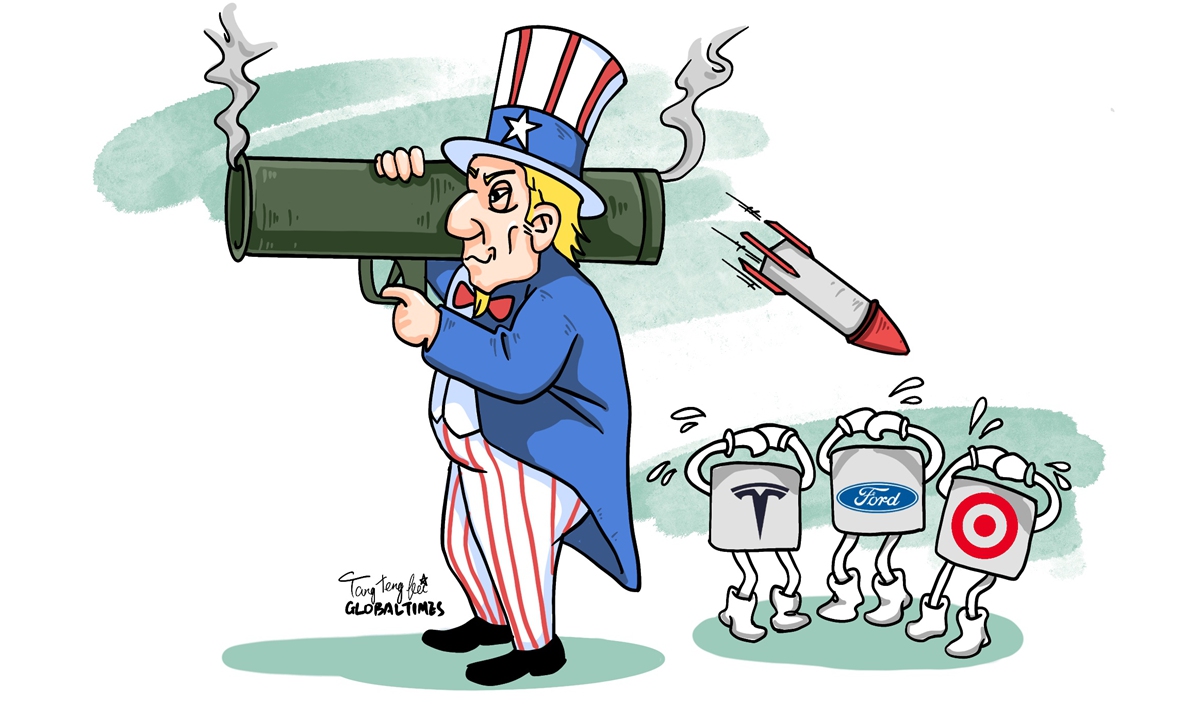
The US President Donald Trump has been provoking confrontations both at home and overseas in order to gain four more years in the White House. With less than one month left before the November 3 election, Washington is unsurprisingly preparing its crackdown on Chinese firms again.
Following the COVID-19 outbreak, under strict prevention and control measures and with the support of strong economic assistance and stimulus policies, China's economy has achieved a V-shaped rebound.
India and Japan are reportedly to tie-up in development of 5G technology, with the assistance of other QUAD dialogue members - the US, Australia and Israel.
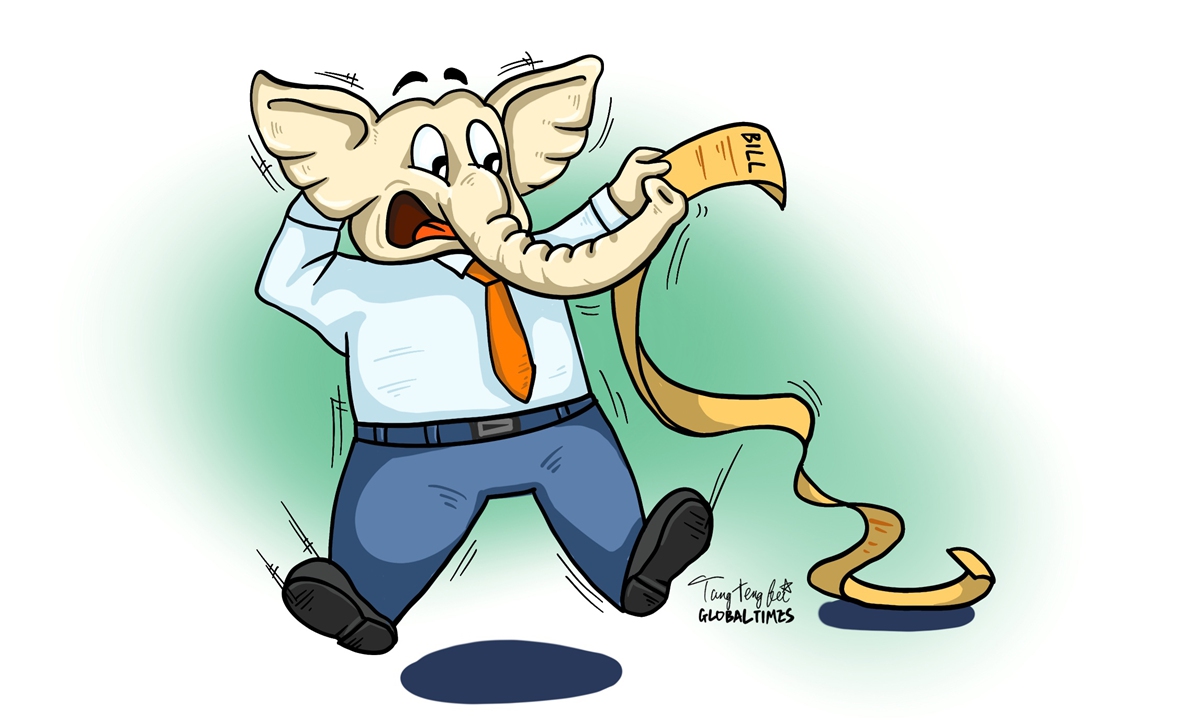
With only one month left before the November 3 election, US President Donald Trump is facing a less encouraging opinion poll, as well as mounting lawsuits from American businesses against his administration over the tariffs on supply imports from China.
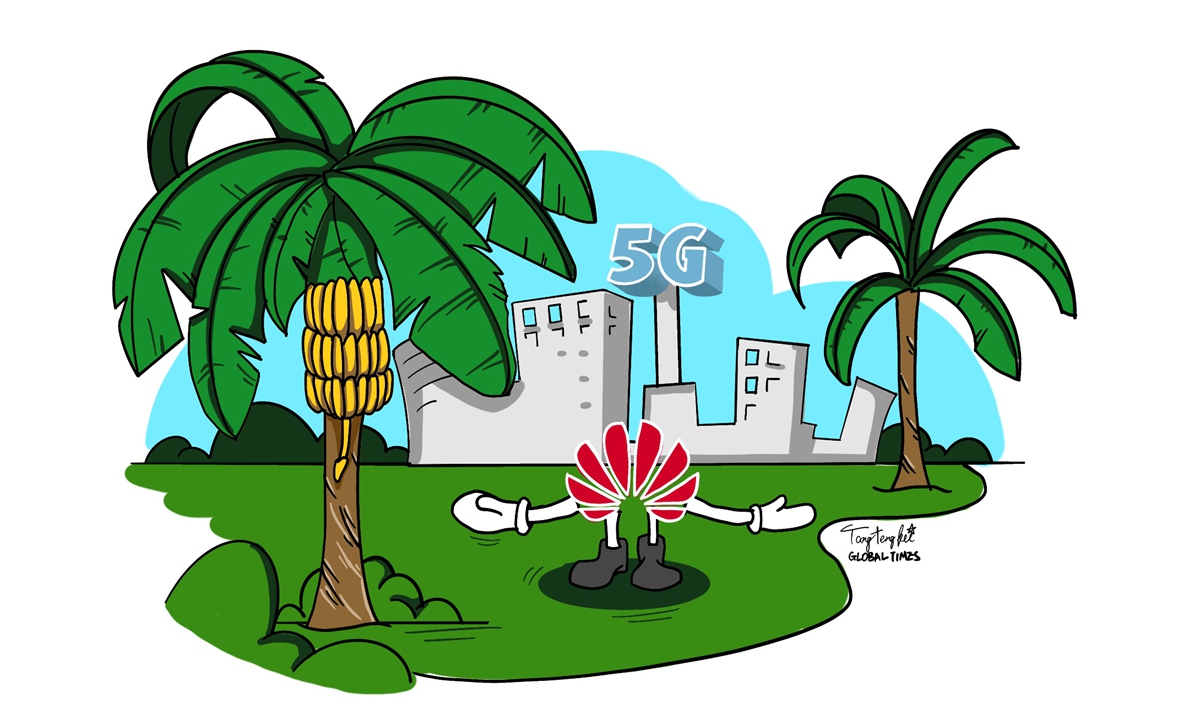
As the world enters the 5G era, related cooperation and competition has been under spotlight across the world. With the US-led anti-China clique relentlessly trying to strangle the development of Chinese 5G frontrunner Huawei, the company recently launched a new innovation center in Thailand alongside its investment scale-down from Australia, portending the rise of the global industrial chains that are free from the US influence, and both the tech firms and the emerging markets will benefit from the new trend.
Not hesitant to use national strength to suppress Chinese technology companies, the US has cut chip supply or enforced bans on Huawei, WeChat, TikTok, SMIC, etc. But can the US really achieve its target of suppressing the development of China's high-tech companies and digital economy through "excessive force?"
Amid the spiraling downward China-Australia relations, a senior Australian diplomat recently weighted on the trend by claiming that the country has prepared to bear the economic costs of confronting China, its largest trading partner.
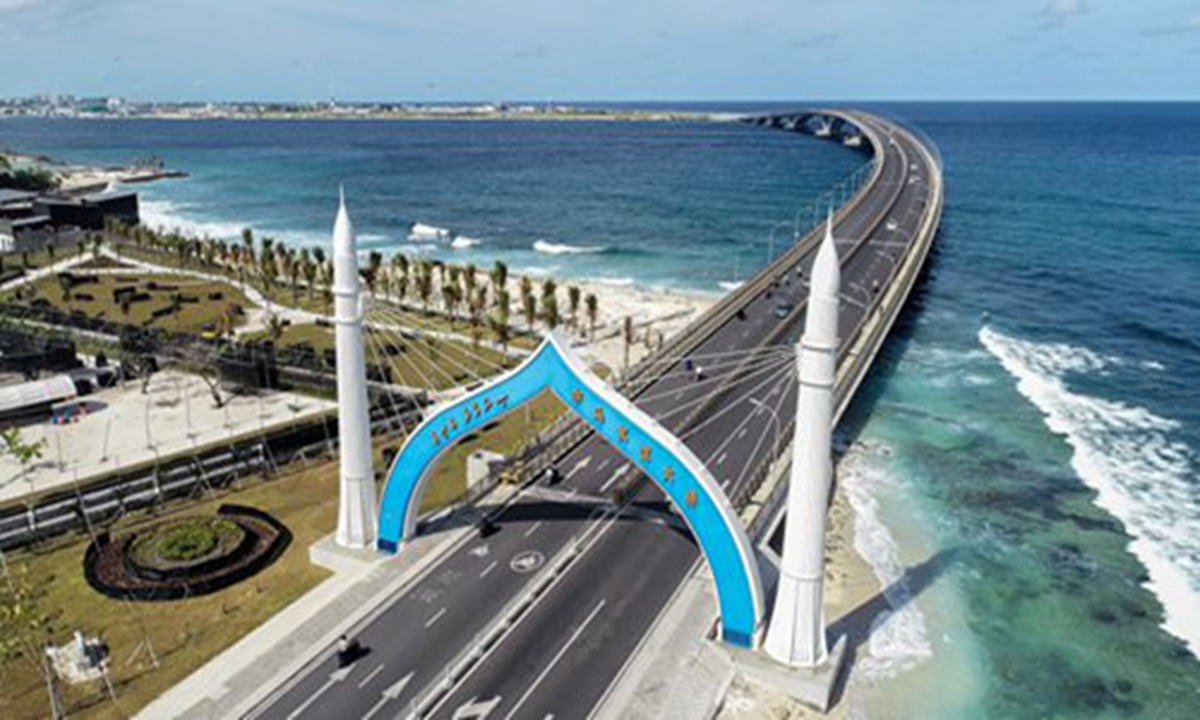
India on Sunday announced a $250 million loan to the Maldives to boost its coronavirus-battered economy. The loan reportedly followed a $500 million pledge by New Delhi in August to help build infrastructure in the island nation, which took India's total pledged financial assistance in the Maldives to over $2 billion since Maldivian President Ibrahim Mohamed Solih was sworn into office in 2018.
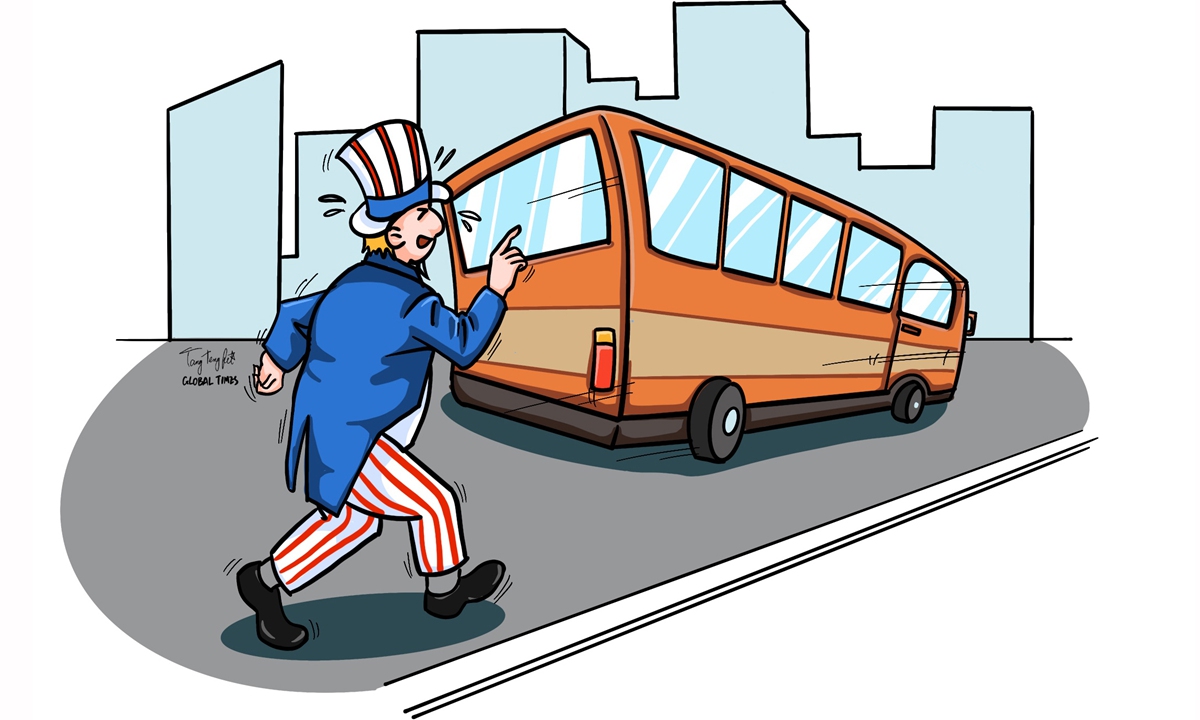
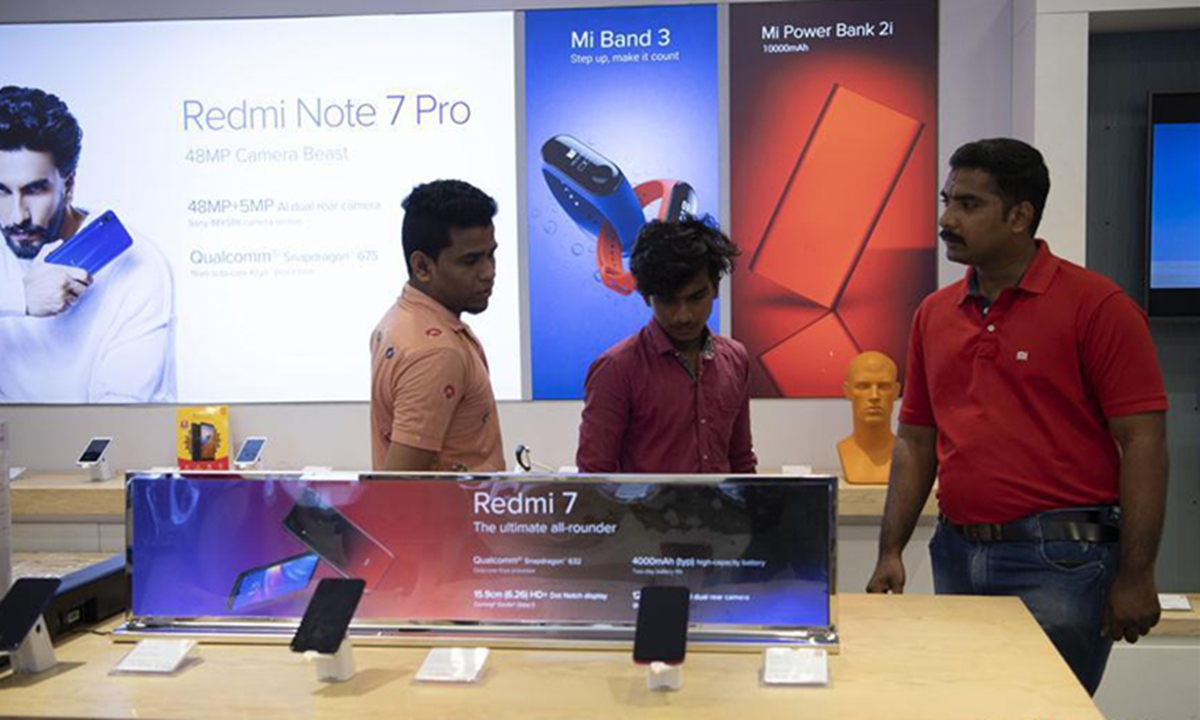
As COVID-19 cases soar in India, the prospects of an effective economic recovery grow further out of reach. Chinese smartphone vendor Xiaomi recently launched its “MiStore-on-wheels” project, selling mobile phones and other products through vans.
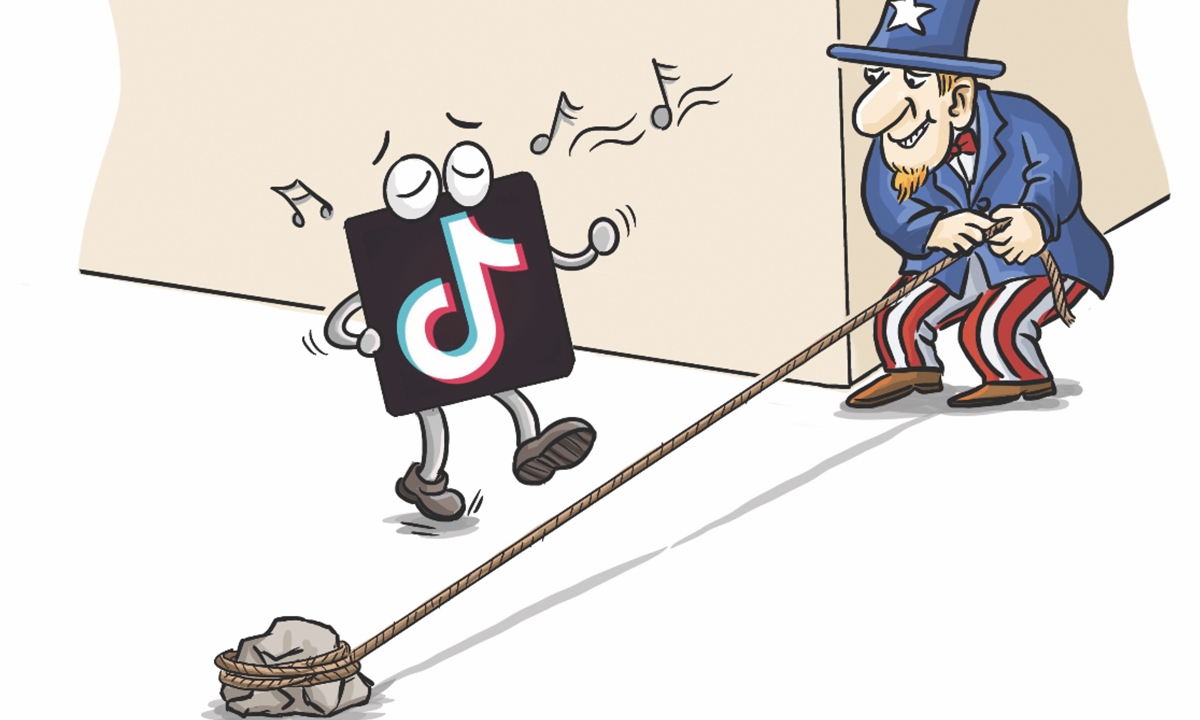
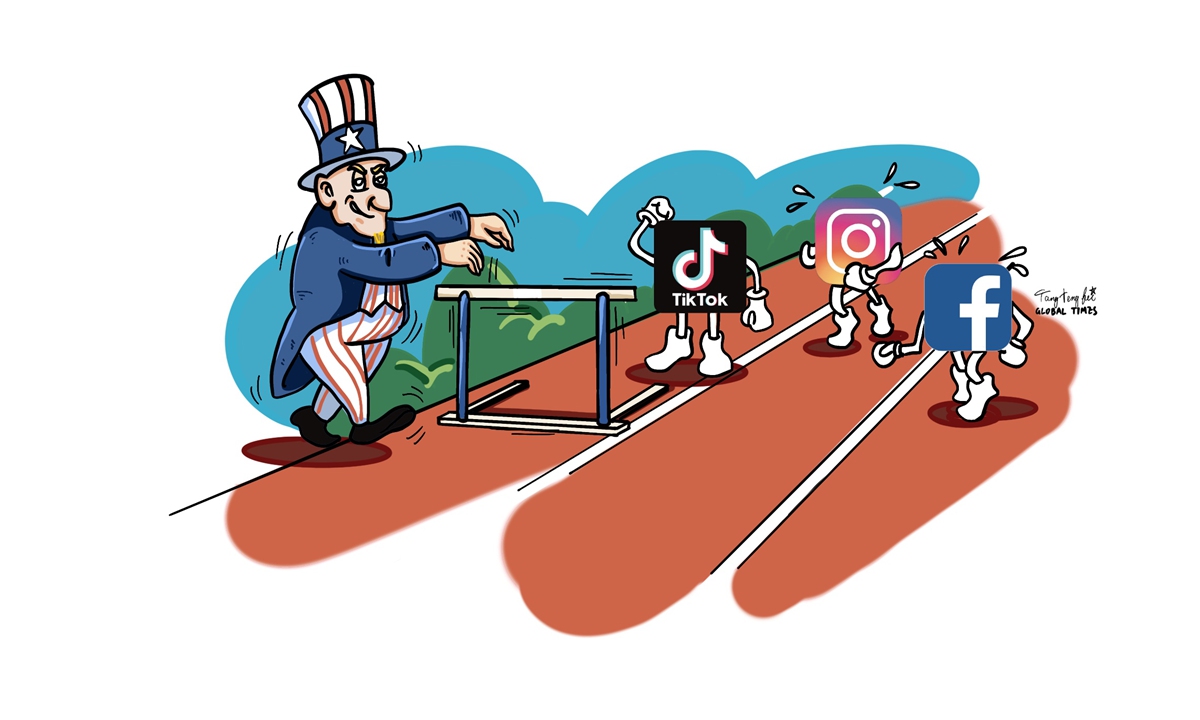
Forced to respond to the Trump administration's arbitrary crackdown, and after rounds of tense negotiations, Chinese social media platform TikTok has potentially avoided a ban in the US or the prospect of being entirely stripped of its US operations. And while the potential TikTok deal with Oracle and Walmart can be seen as progress, it does not mean tensions between China and the US have eased. Inversely, Trump may yet further antagonize China as his re-election date in November draws near.
Chinese tech companies "going out" approach is a part of their global expansion bids, in line with China's overall economic development strategy - the "dual circulation" plan. The trend started before the outbreak of the trade war and is expected to continue. It's also the inevitable development of Chinese tech enterprises.
As concerns over aftershocks from Vystrcil's Taiwan visit to business between China and Czech Republic linger, it's necessary for Vystrcil to make a timely clarification about the provocation to dispel such anxiety.
In its COVID-19 prevention and control, China has adopted strict quarantine measures, including adjustments to international civil aviation policies to prevent imported cases. However, regretfully, these moves are misinterpreted by some Western countries as "decoupling" from the world.
With a sweeping government ban on Chinese apps, India has presented a "rosy market" for US firms who had lost advantage to compete with Chinese firms in that market. Right after Chinese short-video platform TikTok being banned by New Delhi, YouTube rolled out its TikTok-like app, ready to take over the market share.
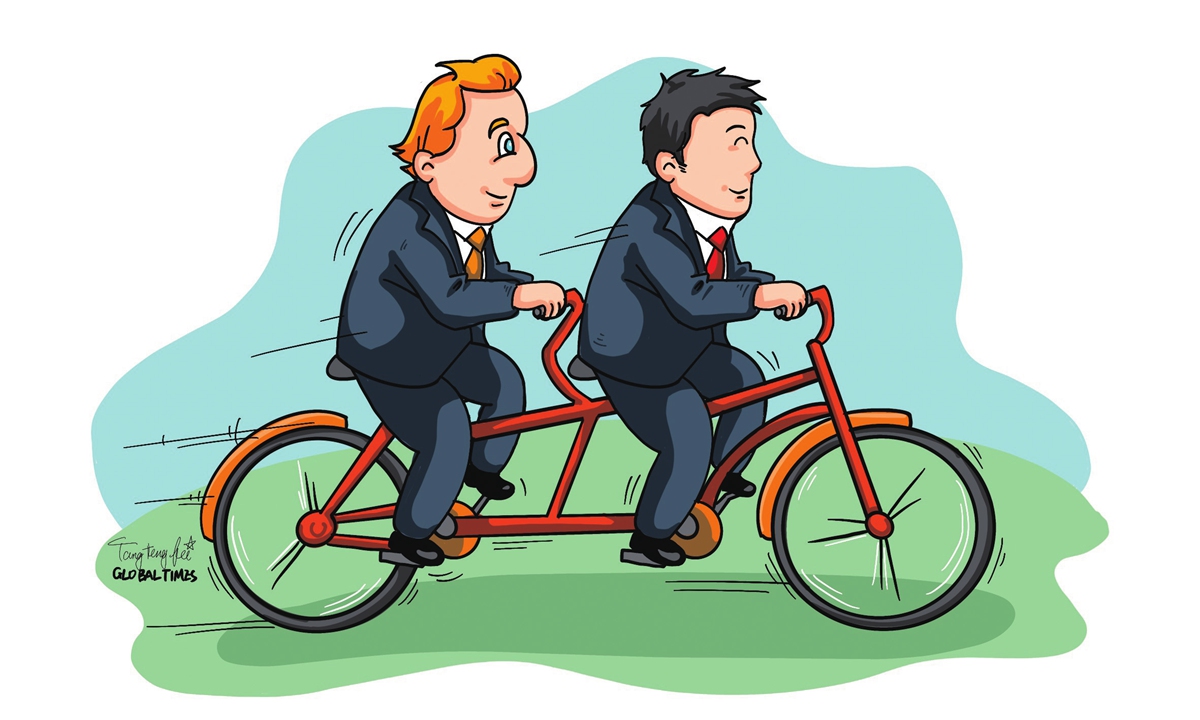
During a virtual summit on Monday, the Chinese and EU leaders stated their commitment to speed up the negotiations on the China-EU Bilateral Investment Treaty (BIT) to achieve the goal of concluding the negotiations within this year.
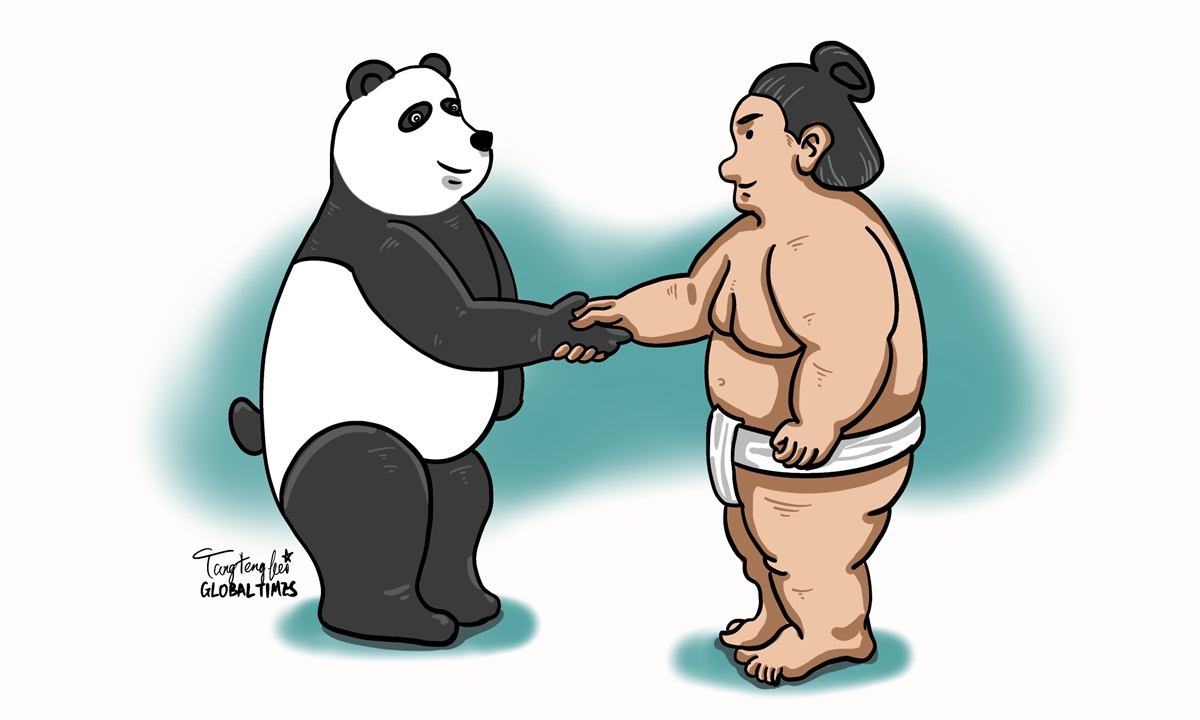
Yoshihide Suga, new president of Japan's Liberal Democratic Party, is set to succeed Shinzo Abe as the country's prime minister soon. With COVID-19 containment and economic rebooting as his primary tasks, it is believed that, rather than recklessly following the US' "decoupling China" policy, Suga-led Japan will further enhance Japan's economic and trade ties with China.
China has released a series of major indicators of economic performance for August on Tuesday, including consumption and fixed-asset investment. According to the data released by the National Bureau of Statistics (NBS), the retail sales have returned to positive growth last month - the first this year.
In its latest move of outrageous nationalism against China, an India media outlet published an animation "Modi - The App Hunter," in which Indian Prime Minister Narendra Modi was depicted as a machine-gun shooter slaughtering civilian characters representing popular Chinese apps like WeChat and TikTok.
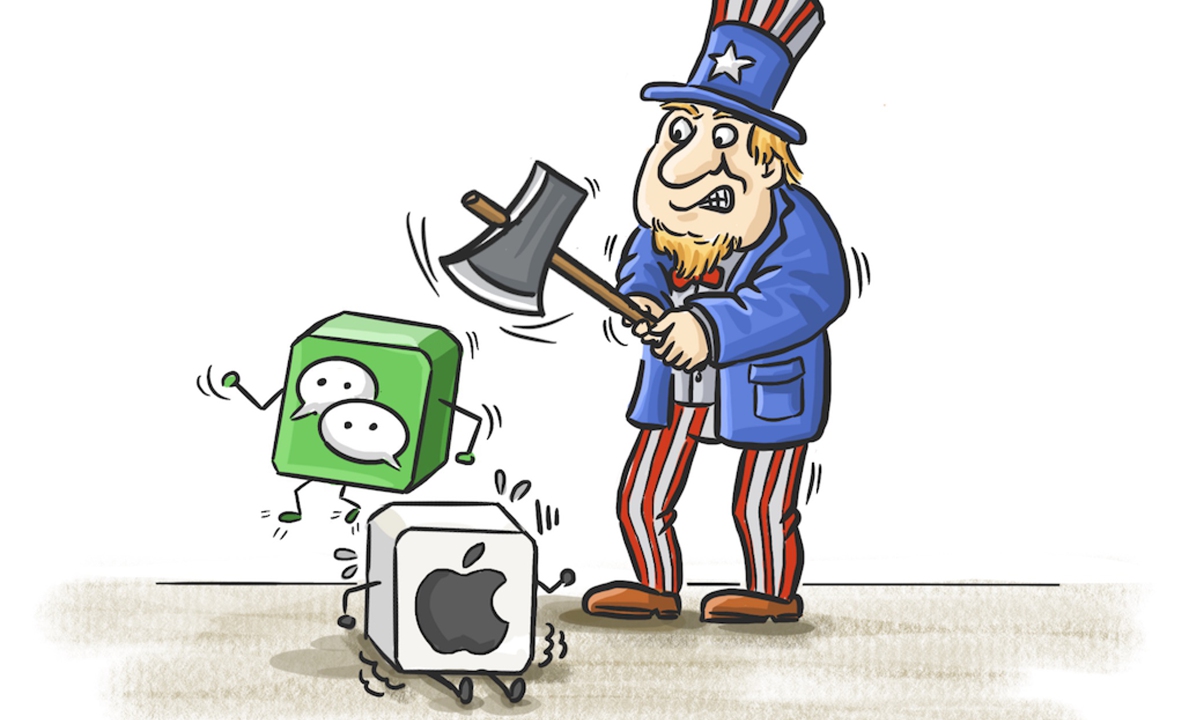
Concerns over the Trump administration's proposed WeChat ban, which could go into effect later this month, are growing, as Trump's deadline for the forced sale of TikTok US operations also draws near. Though the fate of TikTok's US assets is unclear, what's certain is that Trump will strangle US businesses in China, if he recklessly moves to ban WeChat.
The Association of Southeast Asian Nations (ASEAN) has secured its position as China's largest trading partner in the first eight months of the year. According to statistics from China Customs, trade between China and ASEAN totaled $416.6 billion during the period, $16 billion more than China's second-largest trading partner the EU.
Raiding Chinese journalists' homes, cancelling academics' visas … the political paranoia about "Chinese influence" is pushing Canberra into hysteria. While Aussie politicians seem determined to indulge their anti-China mindset to escalate tensions, its business community is voicing a louder opposition.
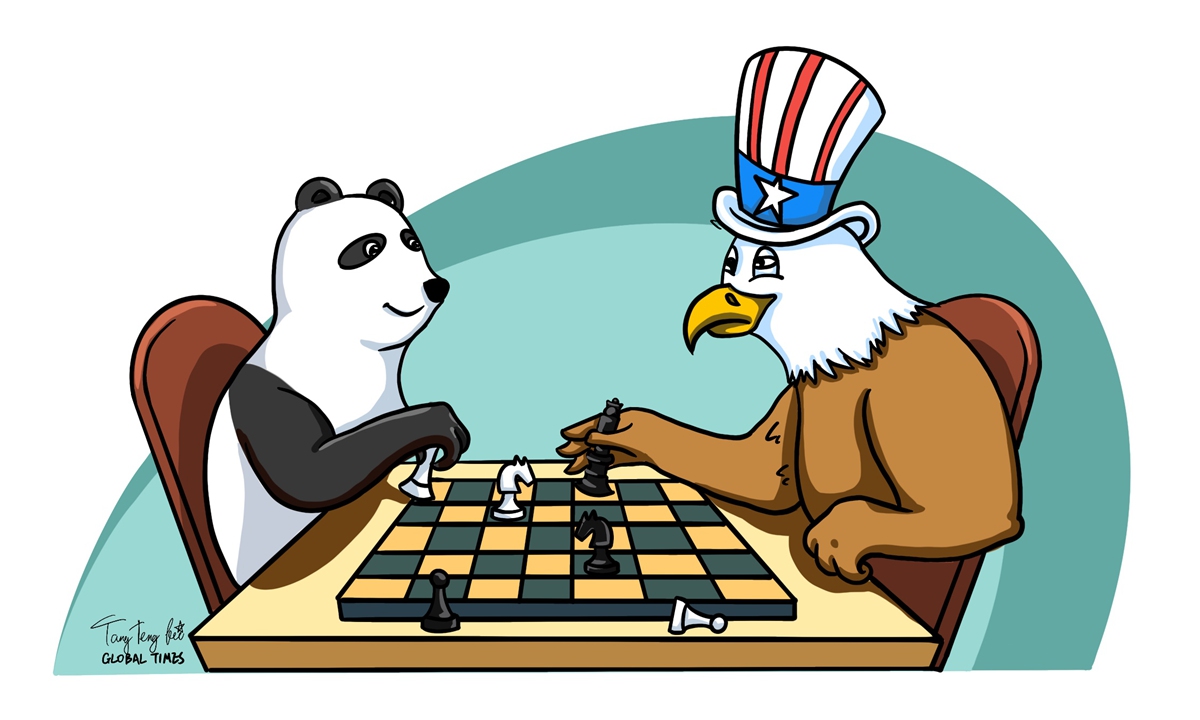
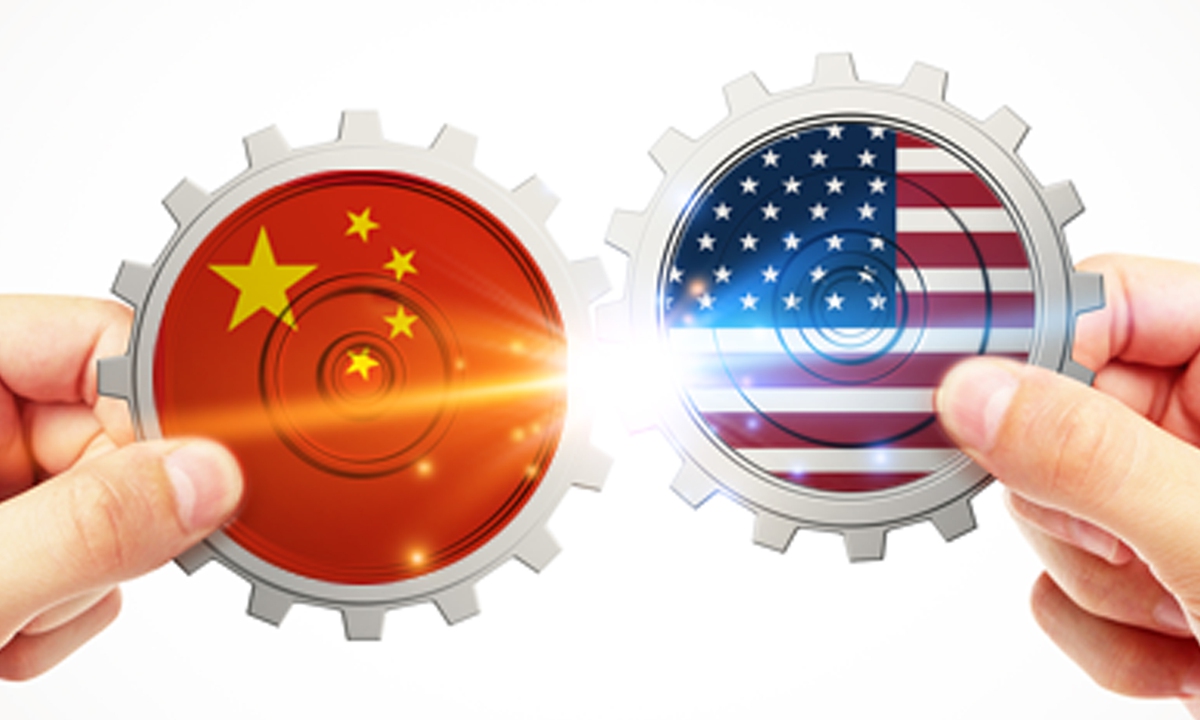
China-US tensions are rising due to Washington's continuous escalation of its containment of the world's second largest economy. Since some US politicians have been recklessly banging the drum of the "decoupling" theory, voices in China have emerged arguing that it might be a better choice for China to decouple from the American economy as well to shun the US government' bigotry and coercion.