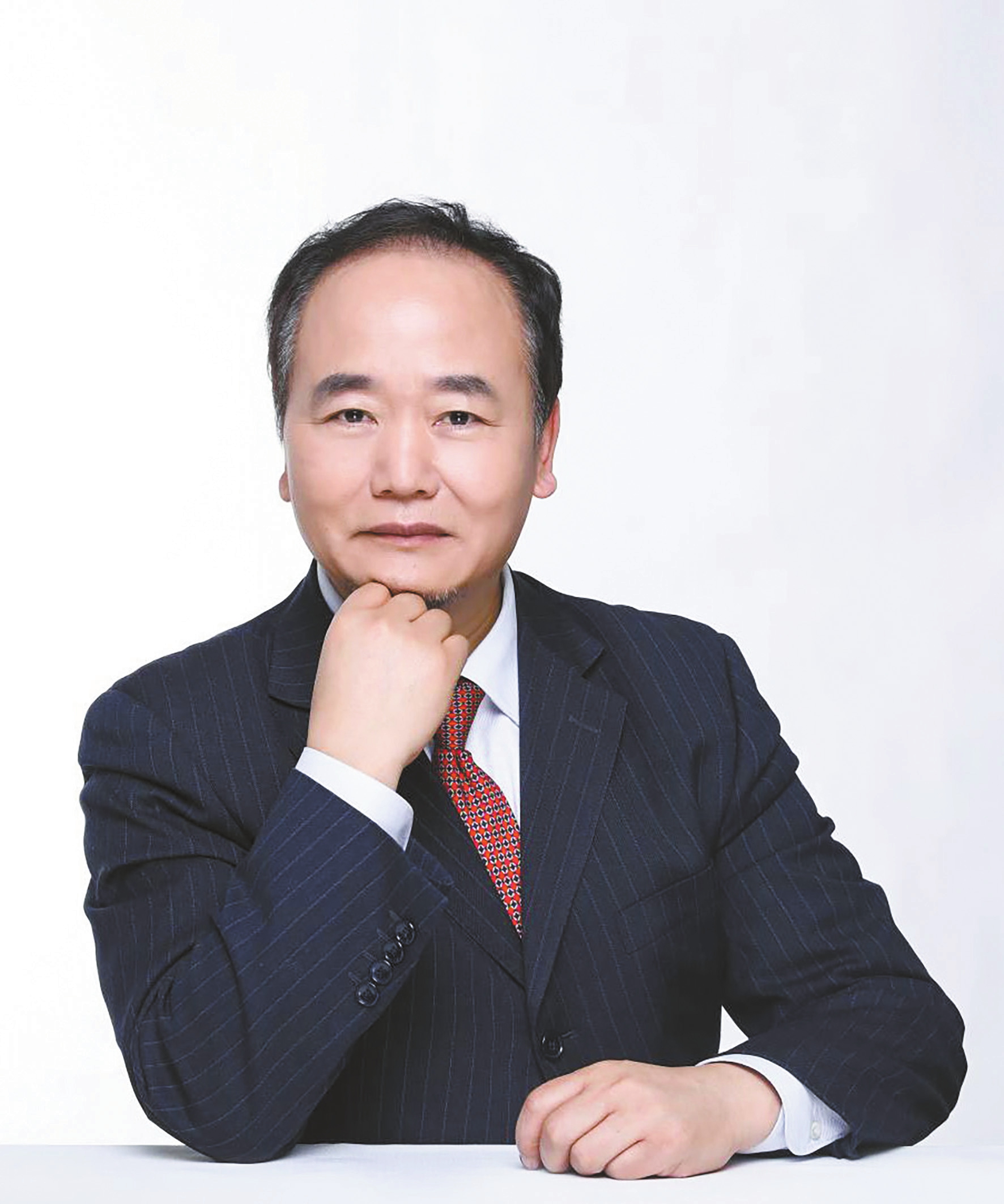
Cao Heping Photo: Courtesy of Cao Heping

Despite external challenges and pessimistic narratives in the Western media, China's economy has maintained its upward momentum, with continued progress in the transition toward the path of high-quality growth, showcasing strong resilience and massive development potential.
China's economy started the year on a high note with GDP growth of 5.4 percent in the first quarter, propelled by the twin engines of traditional industry upgrading and the acceleration of emerging high-tech sector. This resilience has broadly exceeded market expectations.
In the period from January to May, China's economy displayed stability in the three pillars of consumption, investment, and foreign trade. In May, the Purchasing Managers' Index (PMI), a leading economic indicator, saw an uptick from April, signaling that China's economic activity is expected to continue expanding in June and July. Notably, the PMI for high-tech manufacturing was 50.9, remaining in the expansion zone for four consecutive months.
Additionally, from January to May, gross retail sales grew by 5 percent year-on-year. This was a significant rebound, buoyed by a range of policies aimed at boosting consumption. At the same time, there was an upgrade in domestic consumption and structural optimization. Therefore, the annual GDP growth target of around 5 percent carried more positive meaning than merely a number.
Facing lingering pressures caused by a wide range of global volatilities, China's economic structural adjustment have shown positive signs of marked progress since late last year. Taken together, these factors indicate that the economy is stabilizing and gaining pace. If the second- and third-quarter economic data continue to show stable growths, it can be concluded that an upward growth trajectory has taken shape.
What lies behind the resilient performance of China's economy are the coordinated efforts of fiscal and monetary policies, along with effective measures to boost domestic demand. China's economic structure is steadily shifting from a traditional investment-driven, export-oriented model to an innovation-driven and demand-driven economy.
The huge potential of the domestic market will continue to support China's economic growth. For example, the performance of automobiles and smart phone markets has shown significant positive momentum, highlighting the strong drive of the country's domestic market.
The structural transformation of China's economy is not a simple transition but a deeper revolution of great importance. The digital economy is rapidly evolving. Technological innovation is driving the upgrading of traditional manufacturing sectors.
Although the EU has imposed protectionist tariffs on Chinese electric vehicles (EVs), BYD outsold Tesla in Europe for the first time, the New York Times reported. In the field of EVs equipped with intelligent devices, Chinese companies are on par with American firms. If the US lifts trade barriers on Chinese-made cars, Chinese EVs are expected to perform well in the US market. The automotive industry is a microcosm of the rising competitiveness of Chinese products in many sectors.
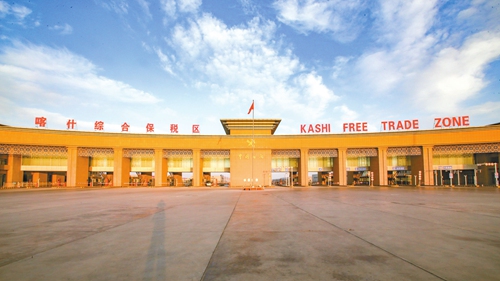
In recent years, China has hosted numerous high-profile exhibitions and international conferences, such as the World Intelligent Manufacturing Conference, China International Supply Chain Expo, and China International Import Expo.
This month, several global expos were held in China, highlighting China's vibrancy and leadership in the new economy. These events serve as a barometer for tech innovation. They promote the growth of emerging industries and demonstrate China's role in leading structural transformation.
From the business cycle perspective, the first three months serve as an adjustment period, followed by the production cycle in the second quarter. The third quarter is when both production and consumption expand, while the fourth quarter is critical for the year-end assessment. This year, a barrage of pro-growth macro policies boosted production in the second quarter, providing a solid foundation for overall economic outlook for the whole year.
China's policy toolbox is well stored, offering strong support for maintaining a stable economic performance. Back up by many emerging growth drivers, the economy is positioned to overcome external challenges. Domestic demand potential and industrial upgrading are set to sustain a desirable growth rate.
The author is a professor at the School of Economics of Peking University. bizopinion@globaltimes.com.cn
RELATED ARTICLES