US president says US could send letters setting tariff rates rather than extend deadline; ‘move reflects maximum pressure strategy to force others to make concession’
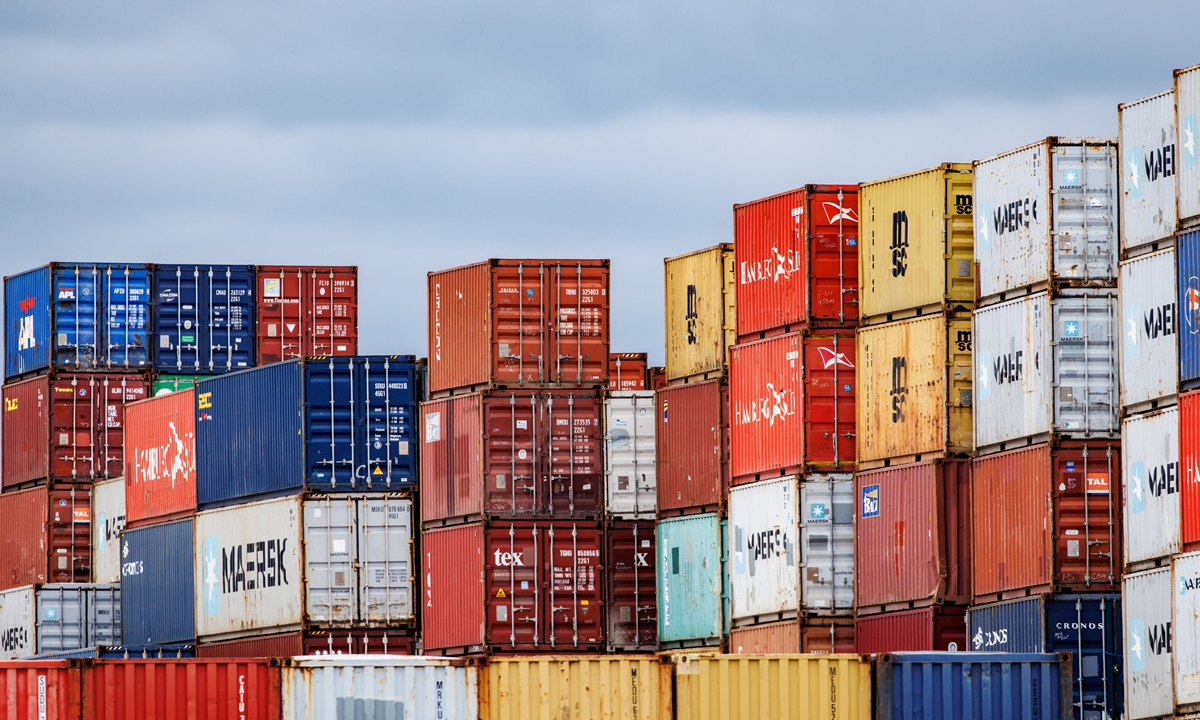
Photo: VCG
US President Donald Trump said that although trade negotiations are still ongoing, he would rather send countries a letter that lays out the tariff rates they face and not extend the July 9 deadline, when the halt on his "reciprocal tariffs" will expire, Fortune reported on Sunday. A Chinese expert told the Global Times on Monday that this reflects the US administration's strategy of applying maximum pressure to gain more benefits in foreign trade relations, warning of the risks of posing greater challenges to global trade and economic activities.
According to Fortune, in an interview on Fox News's Sunday Morning Futures with Maria Bartiromo, when asked about the 90-day hold he placed on the "Liberation Day" tariffs unveiled in April, Trump said that "I'd rather just send them a letter, very fair letter, saying 'Congratulations, we're going to allow you to trade in the United States of America. You're gonna pay a 25 percent tariff or 20 percent or 40 or 50 percent.'"
He then singled out Japan to give a hypothetical example of a letter: "I could send one to Japan. 'Dear Mr. Japan, here's the story: you're going to pay a 25 percent tariff on your cars.'"
The letters would explain tariff rates by citing the trade deficits with each country and how well it treats the US, Trump added, suggesting that negotiations won't be necessary in some cases, according to Fortune.
"This upholds the consistent unilateral strategy of the current US government, which believes that imposing tariffs can bring rapid short-term benefits to the US, thereby altering the balance of international trade," Zhou Mi, a senior researcher at the Chinese Academy of International Trade and Economic Cooperation, told the Global Times on Monday.
Zhou noted that this also reflected the US government's strategy of applying maximum pressure before the July 9 deadline, which aims to force other countries to make more concessions in order to gain more benefits in foreign trade relations.
On Friday, Trump announced on social media he was terminating trade talks with Canada over its digital services tax and threatened to set a new tariff within a week on the second-largest US trading partner. Canada has withdrawn its digital services tax on technology companies such as Meta Platforms Inc. and Alphabet Inc. in a move to restart trade talks with the US, Bloomberg reported on Monday.
The US is nearing agreements with some economies, including Indonesia, according to a person familiar with the discussions. Pacts with Vietnam and South Korea are also possible, the person said, according to Bloomberg.
"Over the nearly three months, tariffs have significantly damaged the global trade order, posing economic pressure on US and other countries. If the US government continues to impose higher tariffs after July 9, the world will face increased uncertainty and rising costs," Zhou warned.
The US economy posted its first contraction in three years, data from US Bureau of Economic Analysis (BEA) showed on Thursday (US time). According to Reuters, the data contracted "a bit faster than previously thought in the first quarter amid tepid consumer spending, underscoring the distortions" caused by the US administration's aggressive tariffs on imported goods.
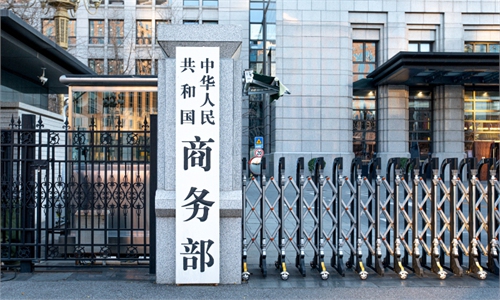
A spokesperson for China's Ministry of Commerce said on Saturday that since April, the US has imposed the so-called "reciprocal tariffs" on its global trading partners. This is a typical example of unilateral bullying that has severely undermined the multilateral trading system and disrupted the normal international trade order. China has always firmly opposed such actions.
China welcomes all parties to resolve economic and trade differences with the US through equal consultations. At the same time, China calls on all parties to stand on the side of fairness, justice, and historical correctness, firmly upholding international economic and trade rules and the multilateral trading system, according to the spokesperson.
"China firmly opposes any deal reached at the expense of its interests for so-called tariff relief. If that happens, China will never accept it and will resolutely counter to safeguard its legitimate rights and interests," the spokesperson said.
RELATED ARTICLES