Chikungunya virus does not spread through casual contact; no licensed vaccine available: China CDC
By Published: Jul 29, 2025 11:36 PM

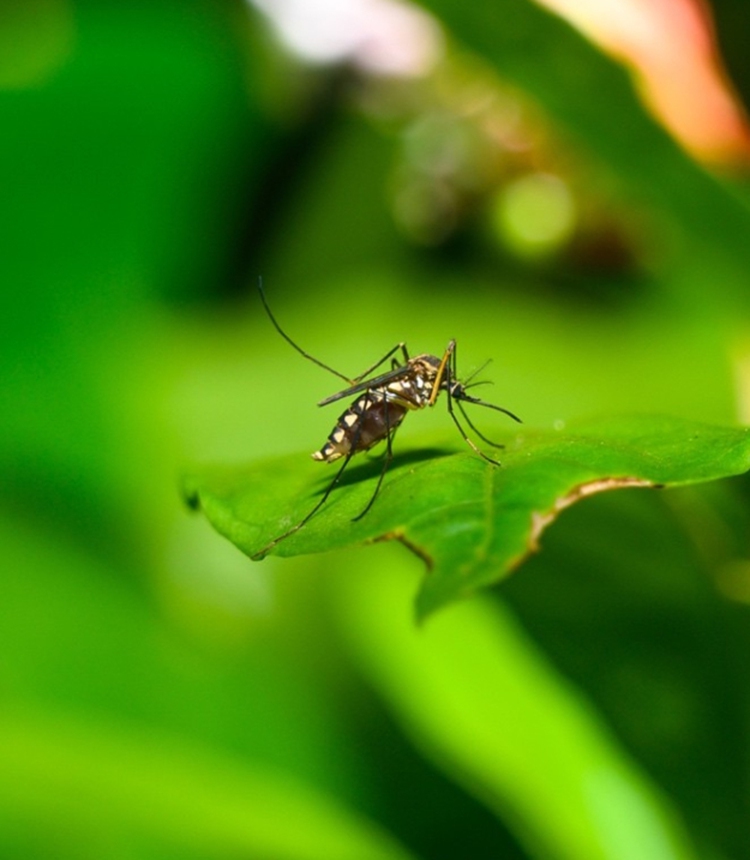
Photo: VCG
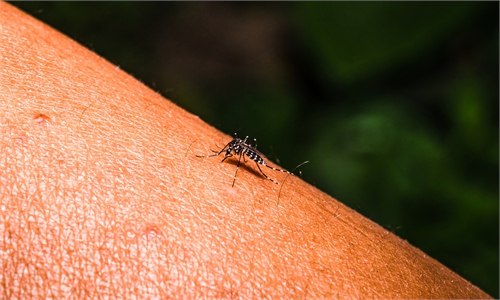
The chikungunya virus does not spread through casual contact or respiratory droplets such as coughing or sneezing, but is mainly transmitted through the bites of infected Aedes mosquitoes, the Chinese Center for Disease Control and Prevention (China CDC) stated in an article on Tuesday as the chikungunya outbreak in southern China has drawn public attention in recent days, with total reported cases surpassing 4,800 in South China's Guangdong Province.
The article said no licensed vaccine is currently available in China, noting that as the country is non-endemic, the population lacks immunity and is susceptible.
The China CDC also said no specific antiviral treatment exists. Management focuses on supportive care including rest, hydration, and analgesics. The article warned the public to avoid taking aspirin or other non-steroidal anti-inflammatory drugs such as ibuprofen until dengue fever has been ruled out, as these medications may increase the risk of bleeding.
The article emphasized preventive measures - avoiding mosquito bites by using repellents, wearing permethrin-treated clothing and long sleeves and pants, installing window screens and sleeping under bed nets.
Zhuang Shilihe, a Guangzhou-based medical expert who closely follows public health issues, told the Global Times on Tuesday that despite international studies and trials of immunomodulatory drugs, no definitive evidence or standardized treatments exist yet. He stressed prevention remains paramount - "Effective vector control and personal protective measures are our strongest tools."
Xinhua News Agency reported on Tuesday that Guangdong has launched targeted measures, including citywide cleanup efforts, to curb the spread of the mosquito-borne viral disease.
To eliminate mosquitoes at their source, Foshan's Chancheng district has released over 5,000 larva-eating fish into the city's lakes since last Wednesday, Xinhua reported Tuesday.
In Chancheng's Longcun village, drones have been used to detect accumulated water on rooftops, storage sheds and other hard-to-reach areas where mosquito larvae are likely to breed. Covering the entire 2.5-square-kilometer village in just two hours, the operation provided data prompting residents to clean up potential breeding sites.
Residents are advised to cooperate with authorities to intensify vector control measures, including eliminating stagnant water, eradicating mosquitoes, and preventing bites, according to Tuesday's article published by China CDC.
Zhuang told the Global Times on Tuesday that both his residential community and workplace had put up posters about virus prevention and distributed other educational materials about the disease.
According to the latest official data, from July 20 to July 26, Guangdong Province recorded 2,940 new locally transmitted chikungunya cases, with no severe or fatal cases reported. As of 12 midnight on Saturday, Guangdong had reported 4,824 local chikungunya cases this year, all classified as mild. Currently, 3,224 patients have recovered and been discharged or released from medical observation, Guangdong Daily reported Sunday.
Lu Hongzhou, head of the Third People's Hospital of Shenzhen, told the Global Times that medical institutions in Foshan now report positive PCR test results to the China CDC's online system on the same day the diagnosis is made, enabling the review process at the district, city, and provincial levels to be completed within two hours.
Chikungunya fever is a viral disease caused by the chikungunya virus. Common symptoms include fever, rash, and severe joint and muscle pain. While most patients recover within a week, 30-40 percent may experience persistent joint pain lasting for months or even years, significantly impacting long-term quality of life. After biting a person, mosquitoes can transmit the virus to new hosts within 2 to 10 days, according to the China CDC.
Chen Xingyu contributed to this story.
RELATED ARTICLES