chikungunya fever
The health bureau of Shunde district in Foshan city, South China's Guangdong Province, a core area of the outbreak of Chikungunya fever in the province, on Wednesday reported 122 new confirmed cases , marking an eighth-day decline in daily new cases since July 29.
From July 29 to Tuesday, Shunde reported 408, 362, 312, 258, 192, 158, 135 and 122 confirmed cases, respectively. Since August 1, the number of townships and subdistricts primarily affected has also decreased from three to two and has remained stable, according to data from the health bureau of Shunde.
The number of daily new cases across Foshan has also shown a declining trend in recent days. According to the official WeChat account of the Health Bureau of Foshan, the city reported 333, 258, 216, 194 and 174 new cases from August 1 to Tuesday, respectively,.
Kang Min, an expert from Guangdong Provincial Center for Disease Control and Prevention, was cited by the Guangzhou Daily as saying that the recent rapid rise in cases across the province has been initially curbed. This week, the number of newly reported cases in the province has shown a declining trend.
Kang noted that the global spread of Chikungunya fever and Guangdong's frequent international exchanges keep import risks high, while flood-season weather and mosquito activity pose ongoing challenges for diseases control.
Some foreign media outlets have reported on the Chikungunya cases in Guangzhou and the local government's prevention measures. For example, the New York Post suggested that the outbreak has sickened thousands, led to quarantines and raised concerns about a "pandemic."
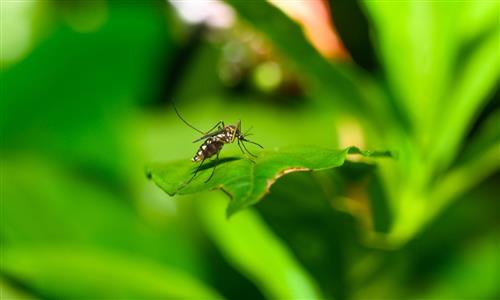
Chikungunya fever, unlike common respiratory illnesses such as flu and COVID-19, is a mosquito-borne disease. Its spread is limited by the presence of specific mosquito vectors, which is why it's more prevalent in southern China and unlikely to cause a global pandemic, Zhuang Shilihe, a Guangzhou-based medical expert, told the Global Times.
Although climate change and rising mosquito populations have expanded its range, current cases remain largely localized, with Foshan seeing a recent decline in daily infections. While the risk of resurgence remains, existing control measures have proven effective so far, said Zhuang.
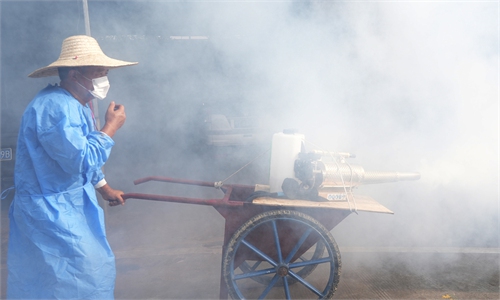
While the local government has taken preventive measures — such as frequent disinfection, distributing leaflets for public education and mosquito control — everyday life for most people remains unaffected, said the expert.
A resident in Foshan surnamed Xu, told the Global Times the underground drainage systems in Guangdong are vast and can harbor thousands of mosquitoes. "The community is spraying the sewers and reminding us to keep windows and doors shut," he said.
"We are staying cautious but not panicking," said Xu, adding that normal residents' daily life is barely affected.
"Life feels normal here — as long as you take precautions, it's not as serious as some outside reports suggest," another resident in Foshan surnamed Liao, told the Global Times.
While Guangdong's weather is hot, some residents wear long pants to avoid being bitten by mosquitoes. During the spike in cases, volunteers checked rooftops and asked households to drain standing water.
"I just carry extra repellent and avoid mosquito-prone areas," Liao said, noting that she and her family are not too worried about the disease spreading due to the current prevention measures.
RELATED ARTICLES