GT Voice: Anti-dumping team may not resolve US tariff pressure on SK steel firms
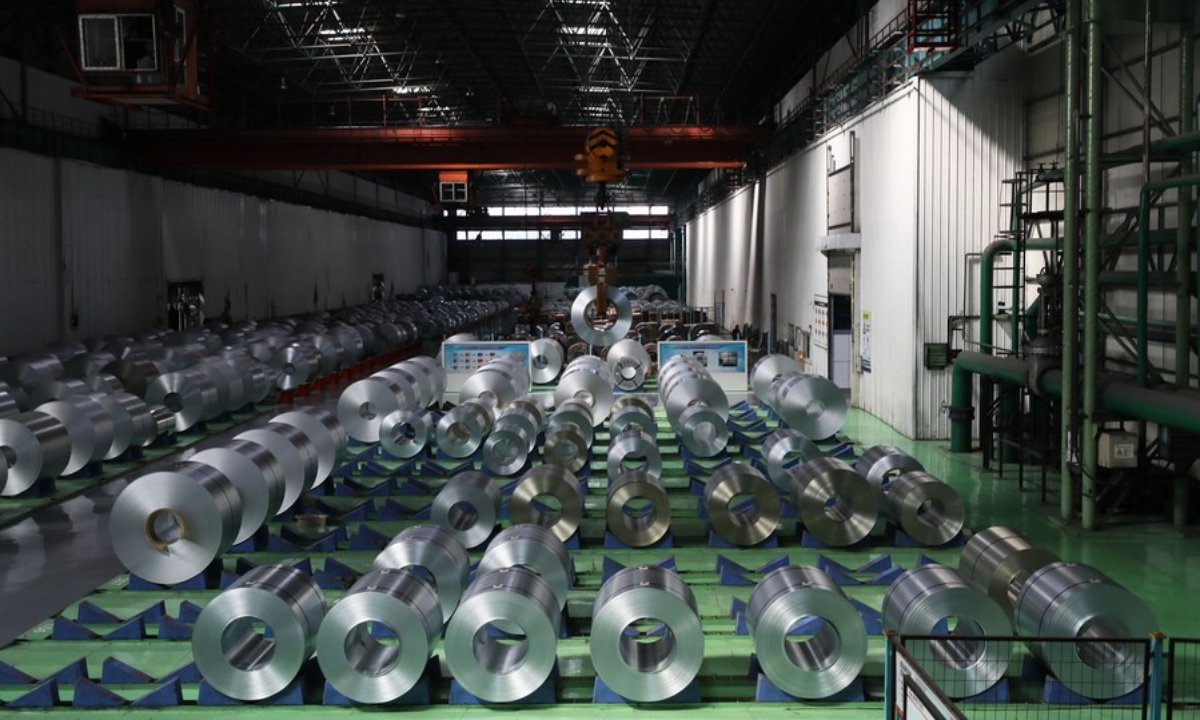
Steel rolls Photo: Xinhua
The South Korean steel industry is navigating turbulent waters, but the "anti-dumping team" that was just announced by the Ministry of Economy and Finance (MOEF) may not be the panacea the sector seeks. Instead, the focus should perhaps be on enhancing competitiveness through innovation and efficiency, rather than relying on protectionist measures to limit import growth.The Yonhap News Agency reported on Thursday that South Korea's MOEF is set to establish a new "anti-dumping team," which will "actively address the impact of dumping practices, including those involving Chinese steel products, on South Korean industries."
The South Korean steel industry is facing significant challenges, but it's important to clarify that these issues are primarily due to US tariffs rather than alleged steel dumping.
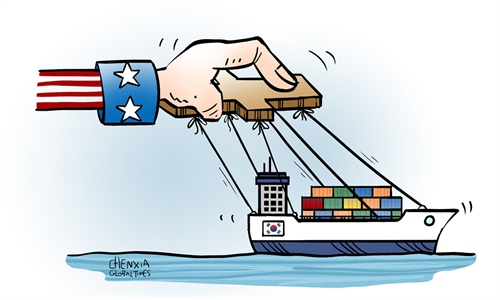
The decision by the US to double tariffs on steel and aluminum imports to 50 percent has sent ripples through the global steel industry, with South Korea feeling the brunt of this policy shift. As an important player in the international steel market, South Korea's industry is now grappling with the serious repercussions of these heightened US trade barriers.
South Korea is the fourth-largest exporter of steel to the US, following Canada, Mexico, and Brazil as of 2024, Reuters reported. The high tariffs are expected to significantly affect South Korean steel exports, and the effects are already being felt by the industry. According to South Korean media, some companies are taking steps to cut costs, such as reducing executive salaries and offering voluntary retirement packages to employees.
It is understandable that South Korea is eager to find ways to alleviate the current challenges facing its domestic steel industry. However, it is crucial to accurately identify the root cause of these difficulties and address them appropriately. Clearly, the issue stems from US tariffs rather than the alleged risk of dumping. At this juncture, expending efforts on combating supposed dumping by establishing an anti-dumping team is akin to prescribing the wrong remedy for the ailment at hand.
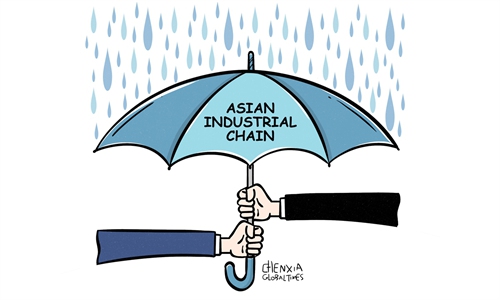
There is no evidence of dumping by China in its steel exports to South Korea. The competitive pricing of Chinese steel products in the global market is primarily due to the synergy of a well-established industrial chain developed over decades, along with the cost and efficiency benefits derived from continuous technological advancements. This advantage is the result of market forces, industrial scale, and innovation, rather than any unfair practices of selling below normal value to disrupt foreign markets.
Steel imports in South Korea are widely used across various industries, including shipbuilding and automobile manufacturing. If anti-dumping measures are used as a pretext to curb steel imports, it could inadvertently harm downstream manufacturing sectors that rely on these imports.
Notably, some of these industries are already grappling with the mounting pressure of US tariffs. In this context, protectionist measures against steel imports are likely to raise manufacturing costs domestically, potentially having a negative impact on the South Korean economy.
For South Korea's steel industry, an effective long-term strategy in response to the high US trade barriers would be to focus on regaining market share in the US while also seeking new markets outside the US to diversify its export portfolio.
Regardless of the approach taken, a key issue remains: enhancing the competitiveness of South Korean steel products in the global market. Achieving this requires increased investment, faster technological innovation, and a more developed supply chain. International collaboration can play a role in reaching these goals. From this perspective, while the steel industries of China and South Korea are competitors, there are also opportunities for cooperation.
China, like many other countries, is grappling with the negative impact of US steel tariffs, just as South Korea is. The detrimental effects of protectionist trade measures on the global economy are well-documented. Nations should work to prevent the further spread of protectionist policies. Instead, fostering cooperation and expanding mutual market access can help address these challenges collectively.
RELATED ARTICLES