Exhibition of cultural relics from Northeast United Resistance Army sites opens in Beijing
By Published: Aug 30, 2025 04:45 PM

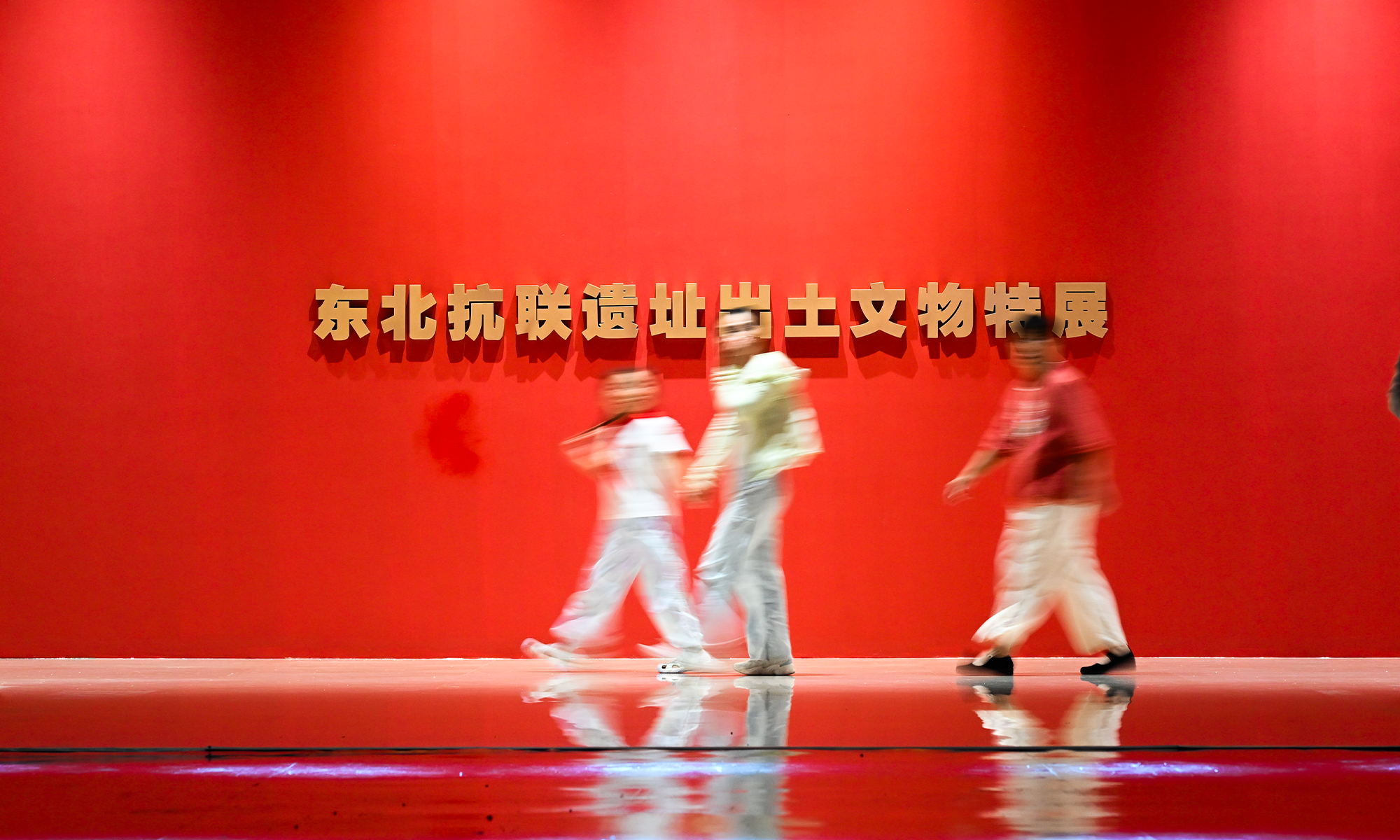
Photo: Chen Tao/GT
Titled "A Special Exhibition of Relics from the Sites of Northeast United Resistance Army," the exhibition features 1,289 cultural relics and specimens, many of which are on public display for the first time, according to a document that National Cultural Heritage Administration (NCHA) provided to the Global Times on Saturday.
The Northeast United Resistance Army, the earliest anti-Japanese force led by the CPC, fought grueling campaigns deep in the forests and mountains of Northeast China under extreme conditions, writing a glorious chapter in the global fight against fascism, according to the exhibition introduction.
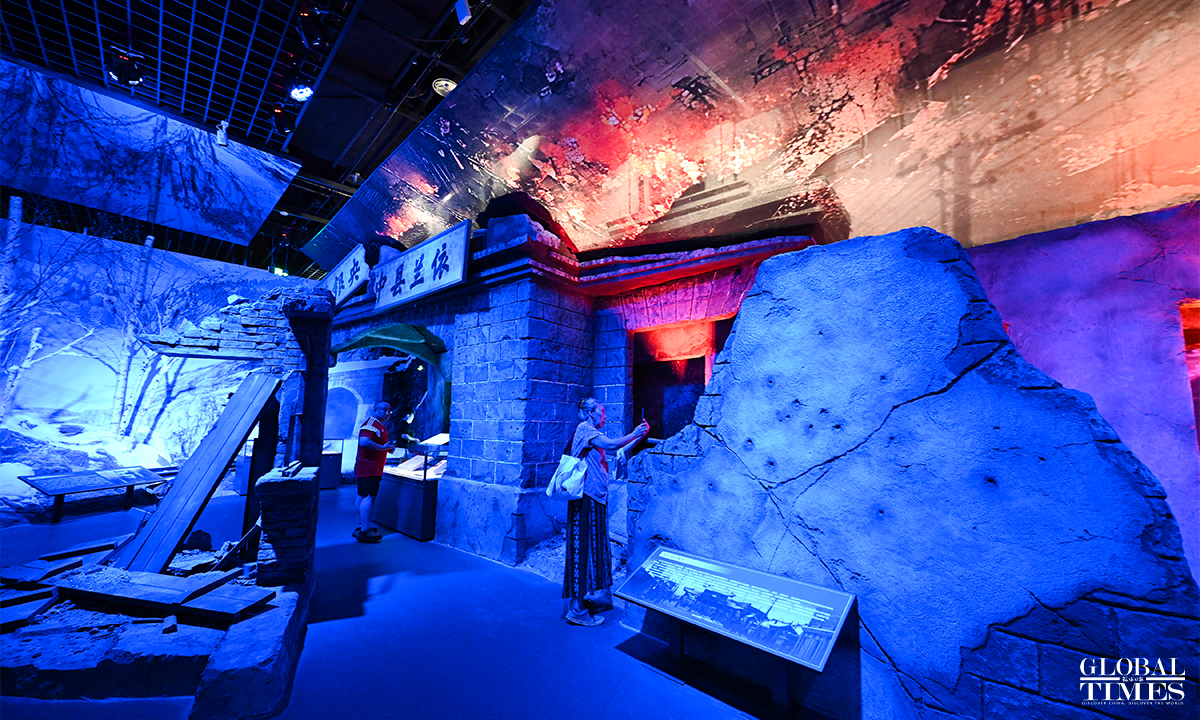
Photo: Chen Tao/GT
As a vital part of the war in the 1930s and 1940s, the army covered the entire Northeast region of China at the time. Particularly in mountainous and forested areas where enemy control was relatively weak, they established secret camps. It made indelible and monumental contributions to the Chinese People's War of Resistance Against Japanese Aggression.
A multisensory presentation of precious artifacts, archival documents, historical images, and reconstructed scenes, vividly illustrates the coalition's monumental contributions and the indomitable spirit of the Chinese people during World War II, offering a profound glimpse into their arduous yet heroic resistance against Japanese aggression, the document noted.
Organized to mark 80th anniversary of the victory in the Chinese People's War of Resistance Against Japanese Aggression (1931-45), the exhibition highlights the backbone role played by the Communist Party of China (CPC) during the war.
Jin Yuhui, a member of the leading Party group of the Jilin Provincial People's Government, emphasized at the opening ceremony that the exhibition aims to honor history, remember the martyrs, and carry forward their spirit. It stands as a powerful tribute to its enduring relevance in the new era.
The exhibition presents the four seasons of spring, summer, autumn and winter to illustrate how the soldiers fought against Japanese aggression amid the extremely arduous environments. It leverages recent archaeological breakthroughs, particularly from the Hongshilazi site in Panshi city, Northeast China's Jilin Province, to reconstruct historical settings like secret camps, sentry posts, and fortifications.
On site, the Global Times reporters observed exhibits showcasing the heroic deeds of the Northeast United Resistance Army, which drew large crowds of visitors. These historical materials documented the Japanese army's brutal massacres of Chinese civilians and the resistance fighters' courageous struggle against oppression.
Meng Qingxu, head of the Hongshilazi archaeological project and a research fellow at Jilin Provincial Institute of Cultural Relics and Archaeology, shared his deep emotional connection to the work.
"Excavating these sites is not just archaeology, but also a spiritual dialogue across time," he told the Global Times. He highlighted the restoration of semi-underground dormitories, some over three meters deep, as particularly moving testaments to the soldiers' sacrifice. "They endured unimaginable hardships... all to drive the Japanese invaders out of China," he stated.
Meng added that one centerpiece of the exhibition is the reconstruction of a stone operating table from a field hospital. Another poignant display is a small grain cellar from a later-period camp, which contained a mix of 11 types of grains and vegetables, including millet, corn, and pumpkin seeds, reflecting both the severe food shortages and the profound support of local civilians who donated their own scarce supplies.
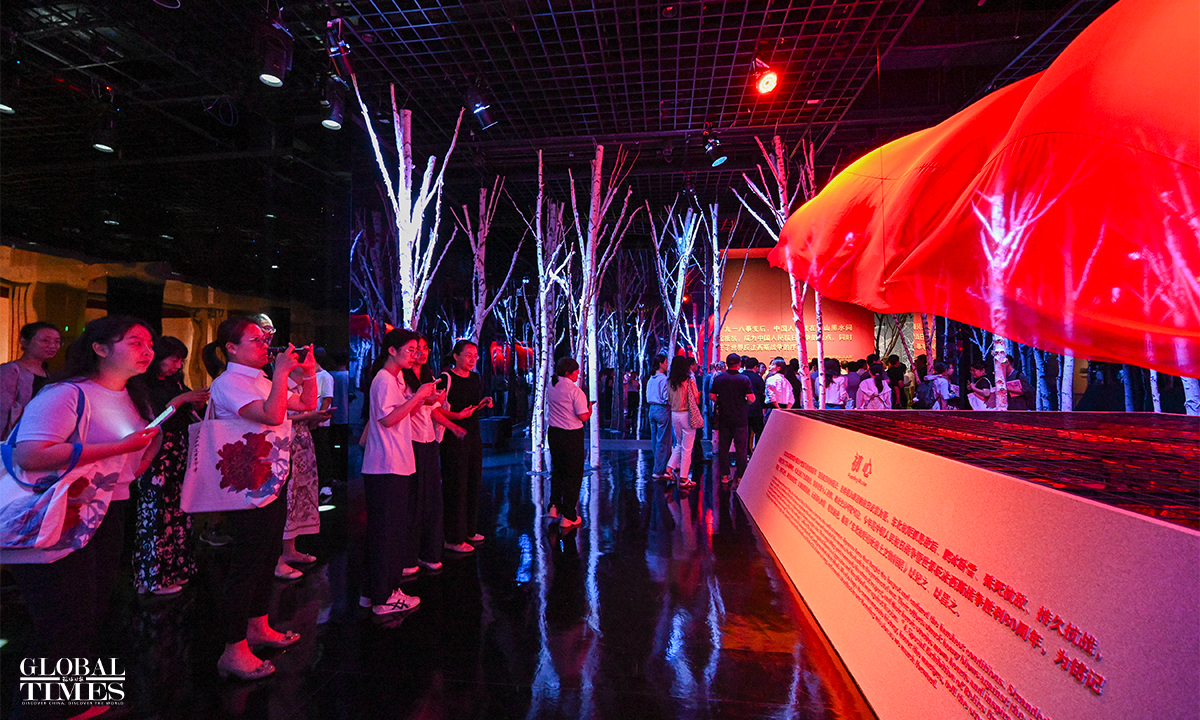
Photo: Chen Tao/GT
The exhibition also employs advanced technology to create immersive seasonal dioramas, allowing visitors to experience the harsh environments the fighters endured, from humid springs and dark summers to frigid winters.
"For me, the most striking part was seeing these relics from the sites themselves because it makes you truly understand the extreme conditions under which they held fast to their faith," Wu Chen, a Beijing-based visitor in her 30s, told the Global Times.
The exhibition, jointly hosted by the Jilin Provincial Government and the NCHA, will be open to the public free of charge until February 2026, the document noted.
RELATED ARTICLES