Shanghai Sihang Warehouse Battle Memorial: Remembering ‘800 heroes’ in old pictures
By Yu Ruitong, Li Jiayu and Published: Sep 04, 2025 12:29 AM

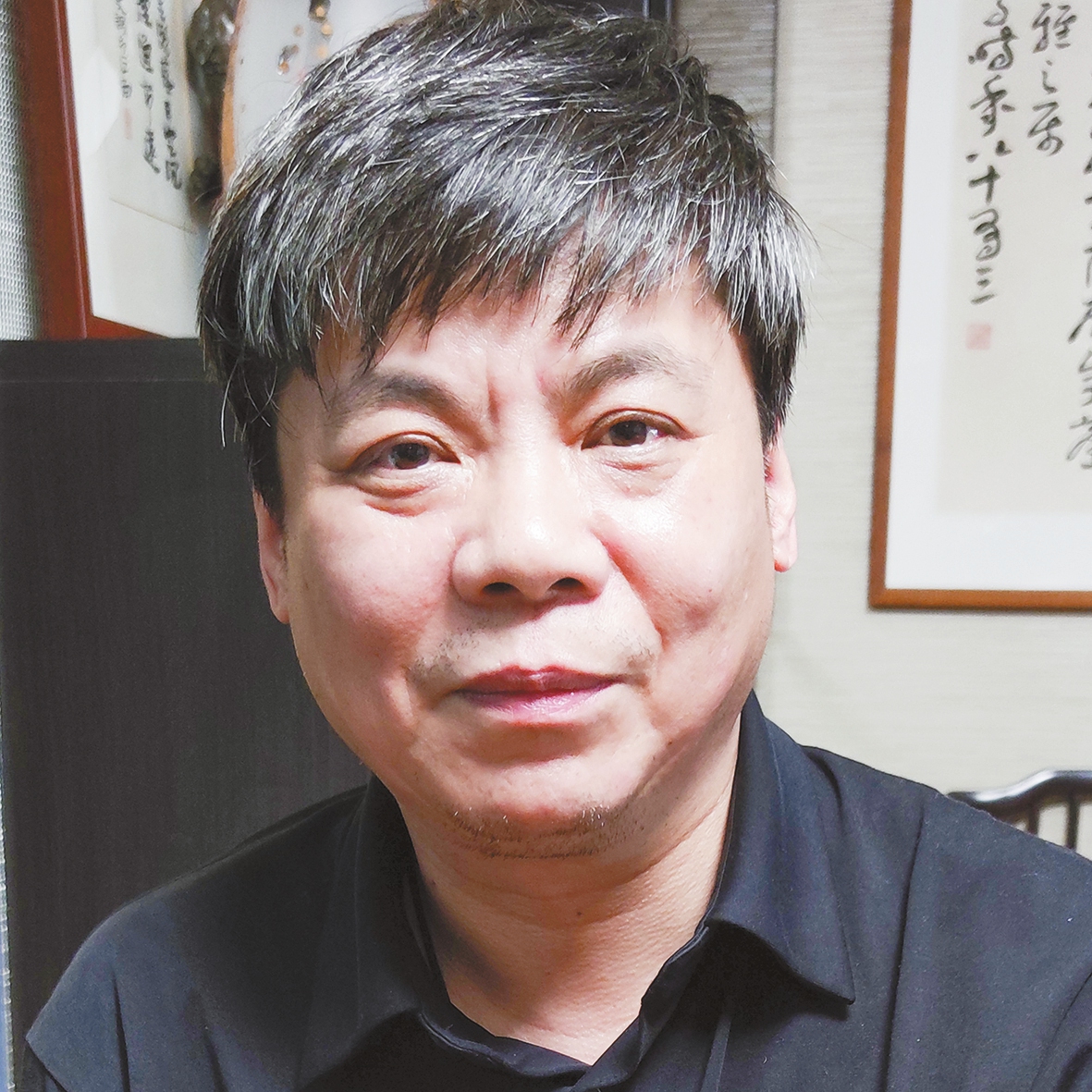
Ma Youjiong, director of Shanghai Sihang Warehouse Battle Memorial
Exhibited artifact: Two sets of photographs taken by AP correspondent
Narrator: Ma Youjiong, director of Shanghai Sihang Warehouse Battle Memorial
At the 2015 China Guardian Spring Auction, two sets of rare historical photographs depicting the "lone army's" heroic stand at the Sihang Warehouse were auctioned. Just a few months later, on August 13, the Sihang Warehouse Battle Memorial Hall opened to the public. The two sets of Sihang Warehouse-themed photos, taken by American photographer Hyland Lyon, not only bear witness to the creation of the memorial, but also form a vital part of its exhibition. To this day, they remain the museum's most treasured artifacts.
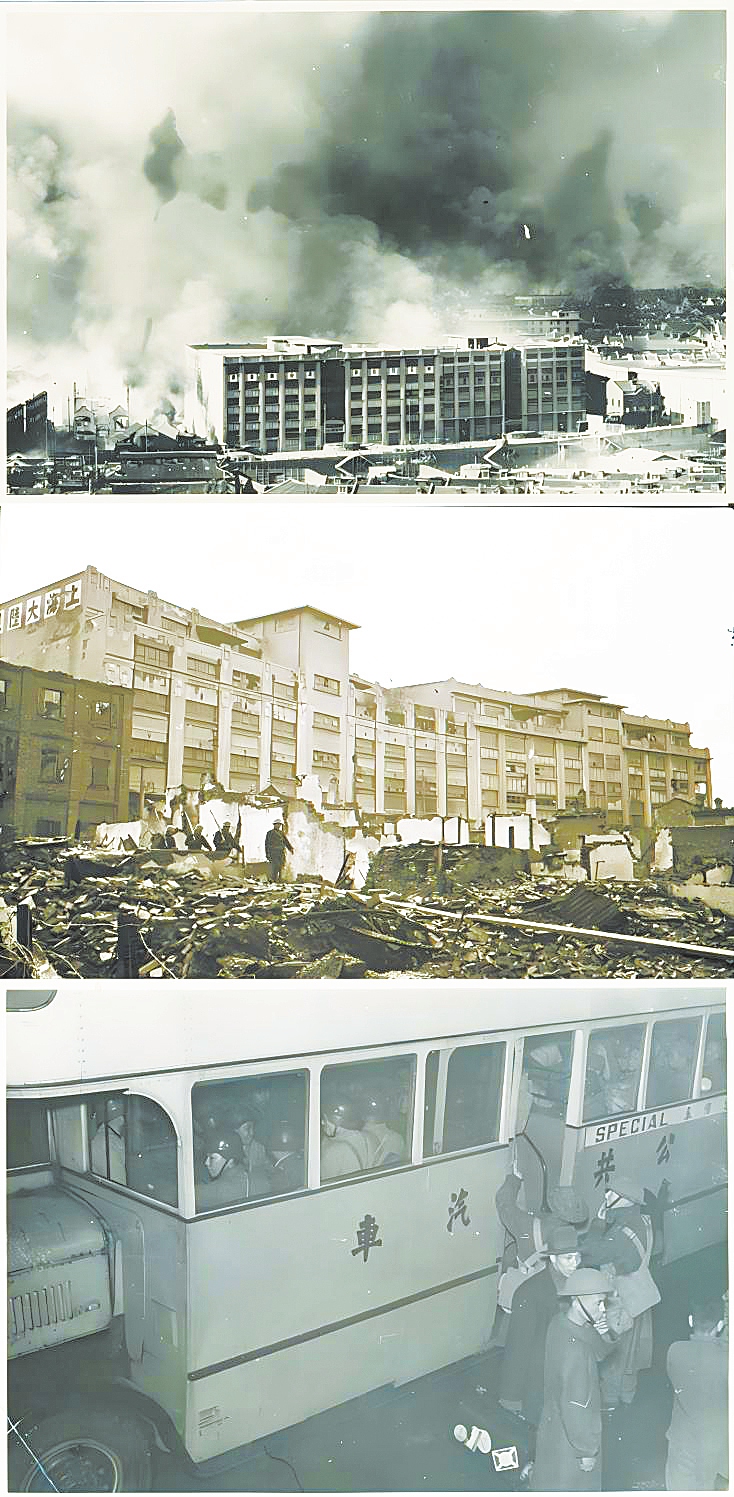
Photographs taken by Hyland Lyon
'Sihang Warehouse in the flames of war'
Hyland Lyon, a former Hollywood stunt actor, came to China in 1934 and served as Zhang Xueliang's private pilot and mechanic. After the full outbreak of the war in 1937, Lyon was hired by the Associated Press (AP) as a photojournalist, capturing a large number of images on the Battle of Songhu - including these two sets documenting the Sihang Warehouse defense. We possess both the original prints and negatives, with excellent quality and clarity, vividly recording the buildings and many historical details of the "800 Heroes."
The first set, titled "Sihang Warehouse in the Flames of War," records scenes of the warehouse battlefield during and after fierce fighting.
The first photo is a panoramic view of the Sihang Warehouse battlefield, a rare image from that time. Most photos of the warehouse are similar, taken as distant shots from the southern foreign concessions. Despite being a long-distance shot and weathering the passage of time, the high definition of this photo still clearly conveys the intensity of the battle.
The second photo, first displayed after the memorial hall opened, is extremely rare. Unlike most photos showing the front (south) of the warehouse, this is the only one capturing the specific situation at the back (north). Lyon, as a neutral country journalist, took this close-up shot after the defenders withdrew; Japanese soldiers on patrol are visible in the image.
The third photo, also worth highlighting, is a close-up of the warehouse taken by Lyon after the "lone army" withdrew. During the memorial hall's preparation, the design team aimed to restore the building's facade to its original appearance. This photo precisely recorded the details of the warehouse entrance facade, serving as a key reference for the restoration.
'The lone army withdrawing from Sihang Warehouse'
The second set, titled "The Lone Army Withdrawing from Sihang Warehouse," mainly depicts the process of the defenders retreating and recovering, as well as the wounded among them.
The first photo shows a wounded young soldier lying in a hospital bed. Although there were media reports about wounded Sihang defenders being sent to hospitals, there was never photographic evidence until now. Beside his pillow is a small inscription reading "Tongren Hospital." This photo confirms the accuracy of previous reports, solidifying this historical detail.
Two other photos capture the defenders' first-time use of transportation after leaving the warehouse. Reports at the time differed, some saying they used cars, others military trucks, but these photos clearly show they took public buses. This discovery fills a historical gap. We speculated the foreign concession authorities provided the buses to maintain their neutrality, though the exact reason is still unclear.
Global attention
During the Battle of Songhu, foreign media outlets produced extensive coverage, including many reports and images of the Sihang Warehouse defense. Because the warehouse was close to the concessions, foreign journalists observed the fighting from tall buildings and terraces, writing stories or filming footage. The memorial hall has collected many newsreels from that era, which were screened as preludes before movies, and in great quantity.
This year marks the 80th anniversary of the victory in the War of Resistance Against Japanese Aggression and the World Anti-Fascist War. The stories of the Sihang Warehouse "800 Heroes" and their experiences reflect the great spirit of national resistance. Though the defenders' struggle may seem like a small episode, it powerfully demonstrated patriotism, heroism, and the moral integrity of the Chinese nation.
From another perspective, the story of the "lone army" also highlights the importance of the united front against Japanese aggression, as advocated by the Communist Party of China. While the battle appeared to be fought by an isolated force, they were in fact backed and supported by people from all walks of life in Shanghai. This fully embodies the concept of a national resistance. The War of Resistance against Japanese Aggression was a struggle of the whole nation, across all regions and times - a true reflection of China's wartime history.
Zhong Ye contributed to this article
RELATED ARTICLES