IN-DEPTH / IN-DEPTH
People-to-people exchanges prompt Japanese to reflect on misconceptions of China: Japanese history scholar
Peace based on truth, justice
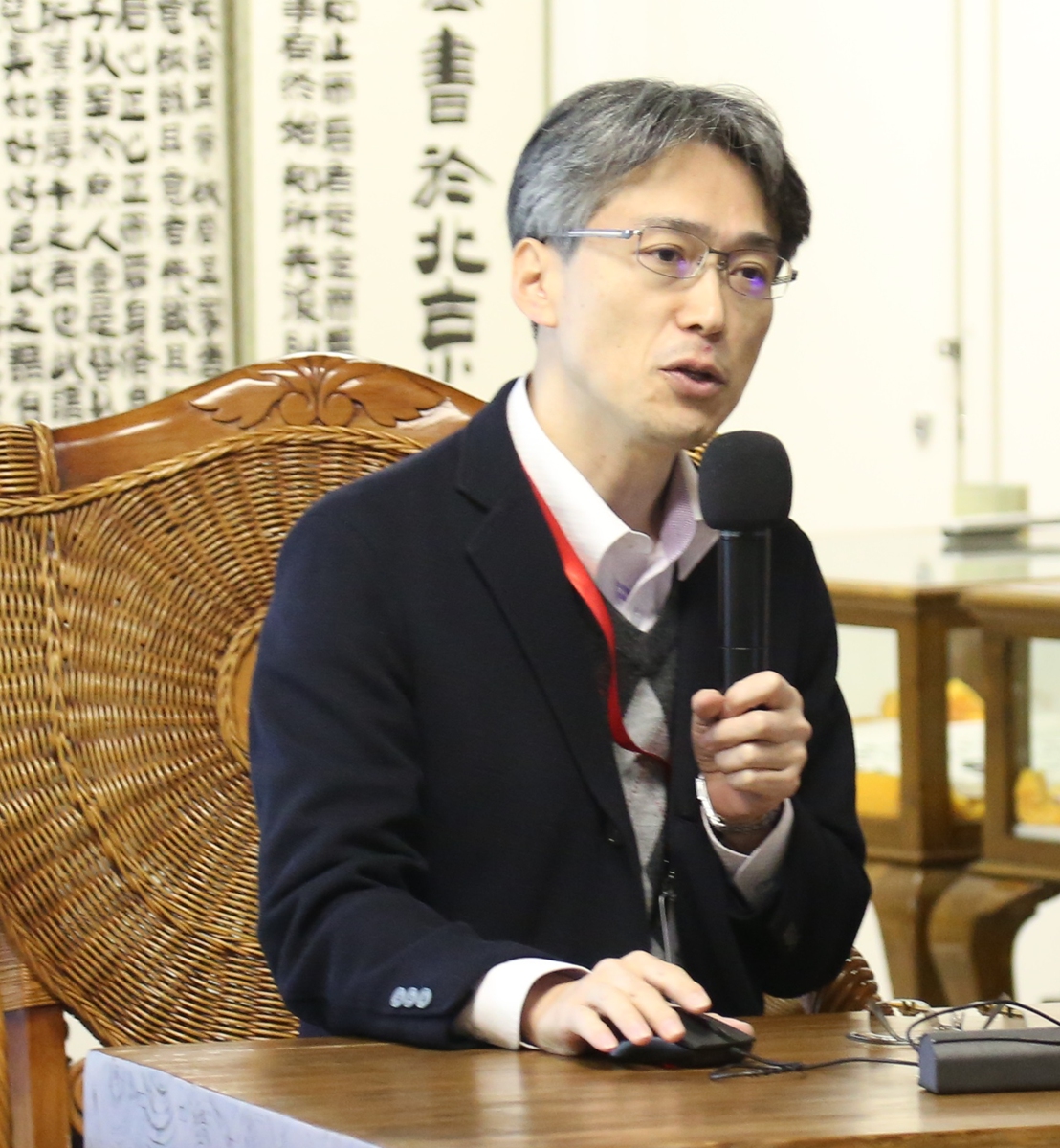
Ryuji Ishida, a scholar at the Shanghai Jiao Tong University Photo: Courtesy of Ishida
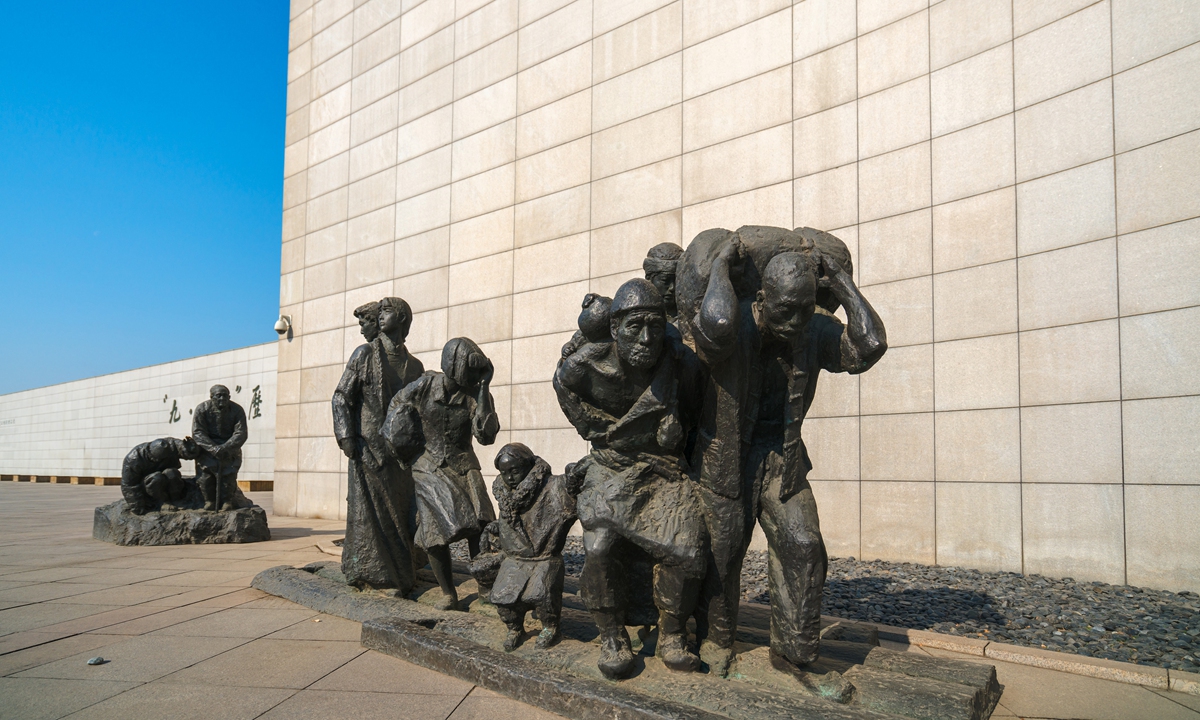
A view of monuments at the square of the 9.18 Historical Museum in Shenyang, capital of Northeast China's Liaoning Province Photo: VCG
In an exclusive interview with the Global Times, Ishida said that currently, some countries and regions are still suffering from aggression, massacre, and sanctions, while some countries and regions, including Japan, refuse to participate in or even obstruct the relevant commemorative activities of China and Russia. This is precisely because they are on the side of the perpetrators.
He added that Japan called on Nepal and other countries not to participate in China's commemorative activities, which is not only a sign of its lack of reflection on the war, but also undisguised colonial-style interference in the internal affairs of other countries.
For a long time, Japan has avoided discussing historical truths while deliberately amplifying the so-called "anti-Japanese atmosphere" in China. Some Japanese media outlets have sensationalized the release of films about the Nanjing Massacre in China, suggesting that Chinese society "has an atmosphere where anti-Japanese sentiments are easily aroused."
"This reflects a lack of understanding within Japanese society regarding the realities of China and the thoughts of its people," Ishida told the Global Times. "Since Japan has not yet fully confronted and clearly drawn a line from the imperial system and fascism that triggered the aggressive war, the Chinese people's demand to 'not let the Nanjing Massacre happen again' be framed by Japan as 'anti-Japanese' or an 'attack' on Japan."
Ishida believes this phenomenon reveals a failure within Japanese society to genuinely confront and address its history of aggression. Only through a thorough reckoning of past war crimes and responsibilities for the atrocities committed, can similar tragedies be prevented.
Ishida observed that the gap between Japan and China in terms of historical perception is widening, which poses a significant danger. Many individuals from China and the Korean Peninsula living in Japan feel uneasy about this trend.
This trend has also influenced Ishida's personal academic journey. He shared with the Global Times that he initially focused on the study of India's anti-colonial independence movement. However, in the 1990s, as historical revisionism gained traction, he felt it necessary to shift his focus to Japan's own historical issues and its relations with China and South Korea.
"Through multiple interviews with war criminals and witnesses to the trials, I began to deeply reflect on the excellence of new China's pacifism and its enduring significance that continues to this day."
"In recent years, every time I return to Japan, I feel that Japanese society's understanding of China has diverged from reality, falling into a state of self-righteousness. Even at events promoting China-Japan friendship, there is an increasing number of people openly expressing wariness toward contemporary China," Ishida said.
He added that, the only potential for bridging the gap between the two countries lies in direct people-to-people exchanges. Japanese individuals who have visited China or interacted with Chinese residents in Japan often find opportunities to reassess their perceptions of China, shaped by the mainstream Japanese media, the internet, schools, and families.
When discussing the role of scholars, Ishida said, "Given the substantial barriers of information and understanding, I see one of my responsibilities as narrowing this gap as much as possible." He explained that, the majority of Japanese people do not see the "true face" of the Chinese populace - what brings them joy, what troubles them, what they hope for, and what makes them indignant are rarely acknowledged.
"Therefore, I am committed to conveying specific facts while contextualizing them within Chinese society, explaining why this gap exists in an accessible manner to dispel biases among the Japanese," said Ishida. "I believe this is precisely the educational practice, through which I can give back to society the results of my research on war responsibility."
In his interview with the Global Times, Ishida expressed that the expectations of the Chinese people are quite simple: They hope Japan can face history and reflect on the war with a sincere attitude, rather than evading or obscuring the issues, trapped in a quagmire of historical glorification. He noted that, only peace based on truth and justice can bring stable and friendly development to China-Japan relations.
RELATED ARTICLES