China’s Ministry of State Security reveals case involving leakage of military secrets via livestreaming
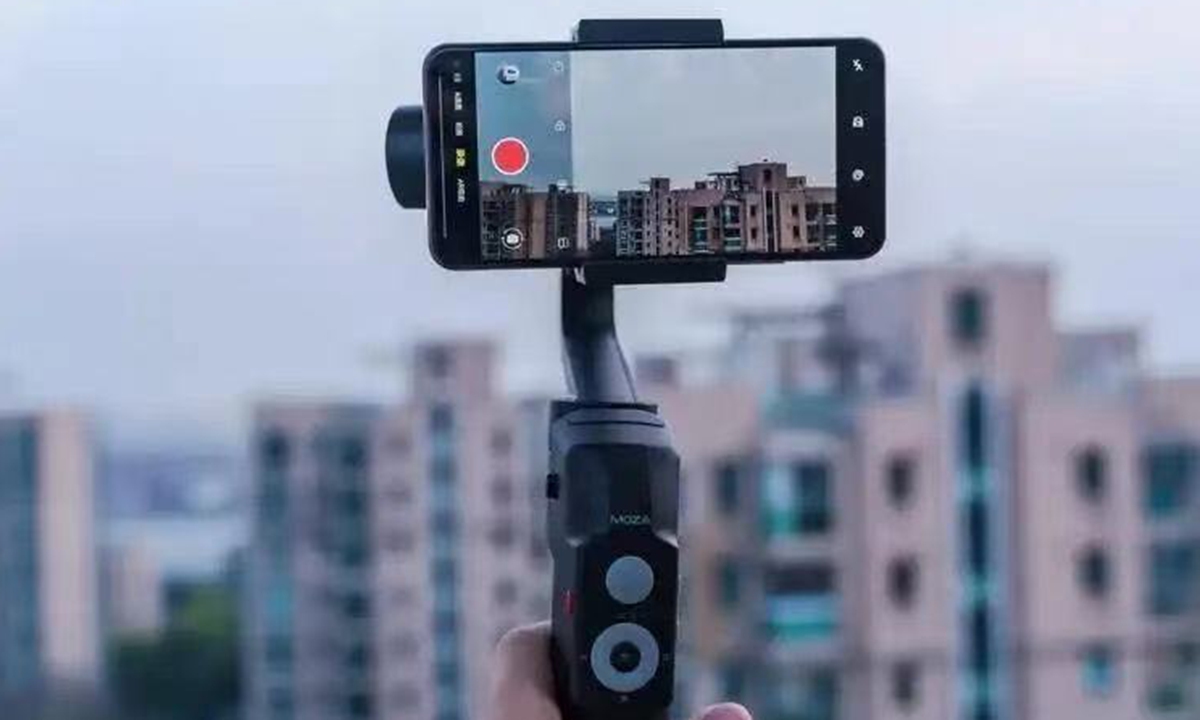
Photo: screenshot from article published by Ministry of State Security
Recently, the Chinese state security authorities uncovered a case involving the leakage of military secrets via a livestreaming, according to the Ministry of State Security (MSS) on Sunday. This incident once again serves as a stark reminder to the public: cyberspace is not a lawless domain, and any act that crosses the legal red line will face severe punishment, the ministry emphasized.
According to the ministry's latest article published on it's official WeChat account on Sunday, one evening, Chen, who lives near a military airfield, was at home when an unusually intense and low-altitude roaring sound suddenly erupted outside his window. Looking out, he observed multiple aircraft flying at low altitude. Driven by a desire for online traffic, Chen quickly started a live stream on a broadcasting platform, publicly sharing real-time footage of the military aircraft movements outside his window.
During the stream, some viewers repeatedly warned him in the comments section, urging him with messages such as, "Those are military planes," "You can't livestream this," "It will leak military secrets," and "Stop the stream now." Chen gradually became aware of the military nature of the content he was filming and the sensitivity of his actions. However, faced with the temptation of skyrocketing viewer numbers and rising engagement metrics, Chen chose to ignore the risks. Even after receiving a telephone warning from the airfield's security department, he refused to cooperate and verbally insulted the security personnel.
The nearly hour-long livestreaming accumulated over 20,000 views, leading to the continuous leakage of dynamic information regarding military operations, aircraft types, and the timing of takeoffs and landings, posing a serious threat to China's military security, read the article published by MSS.
Following an investigation by state security organs, it was confirmed that Chen, fully aware that recording and publicly disseminating military activities is strictly prohibited, willfully used a live stream to broadcast real-time footage of military aircraft movements to the public. The content of his stream was identified by relevant authorities as constituting military secrets. According to Article 432 of the Criminal Law of the People's Republic of China, whoever, in violation of laws and regulations on the protection of state secrets, intentionally or negligently divulges military secrets, if the circumstances are serious, shall be sentenced to fixed-term imprisonment of not more than five years or criminal detention; if the circumstances are especially serious, the sentence shall be fixed-term imprisonment of not less than five years but not more than ten years.
Chen's actions are suspected of intentionally divulging state secrets, and his reckless decision to test the law through his willful livestreaming will inevitably lead to severe legal consequences, said the article.
The ministry warned the public of not letting the pursuit of online popularity become a variable that leads to crime. Seemingly harmless actions like livestreaming, sharing locations, or uploading photos can potentially leak state secrets and endanger national security. Every citizen has the responsibility and obligation to assist in safeguarding security and confidentiality around militarily sensitive areas. Unauthorized photographing or livestreaming of militarily sensitive areas, such as military airfields, is prohibited, according to the ministry.
The ministry added that if members of the public discover any related suspicious activity, they are urged to promptly report it via the following channels: the 12339 state security reporting hotline, the online reporting platform (www.12339.gov.cn), the Ministry of State Security's official WeChat account reporting channel, or by contacting their local state security authority directly.
RELATED ARTICLES