China US Photo: VCG
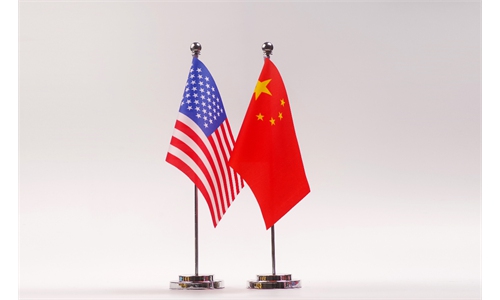
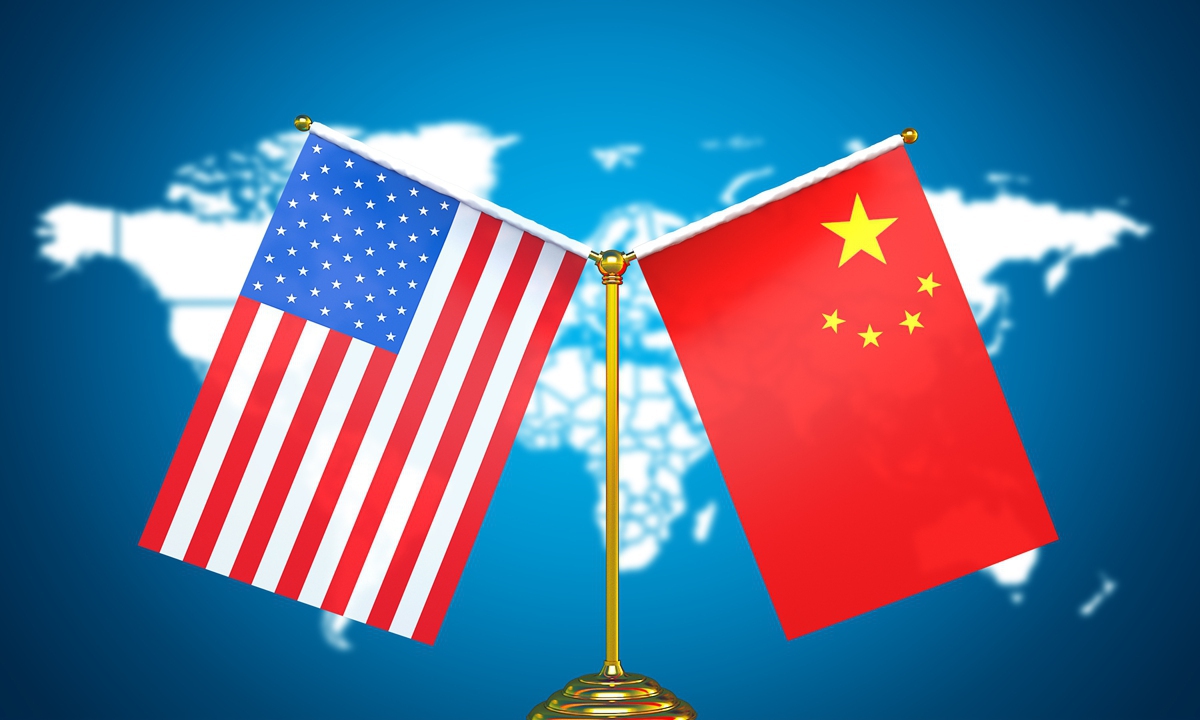
During the recent phone call between the leaders of China and the US, both sides acknowledged that since the successful Busan meeting in October, the relationship between the two countries has generally maintained a steady and positive trajectory, and this is welcomed by the two countries and the broader international community. The future trajectory of China-US relations hinges on structural factors of strategic engagement, but it also depends on whether the two societies can rebuild trust and consensus. In this context, people-to-people exchanges serve as a vital link for fostering mutual understanding between the Chinese and American peoples.The Busan meeting shaped positive expectations for strategic cooperation between the two major powers. The two leaders reached a strategic consensus and agreed to encourage more people-to-people exchanges. The political need and public expectation for both sides to build trust through these exchanges have further intensified, opening an important window of opportunity for strengthening such interactions. Seizing and making good use of this opportunity is of great significance for building a new type of major-country relationship.
As President Xi Jinping puts it, China and the US should be partners and friends. This is what history has taught us and what reality needs.
At the macro level, the diplomatic engagement between the two heads of state provides directional guidance and positive expectations. This high-level diplomacy serves as the "compass" and "anchor" for China-US relations. During their meeting, President Xi emphasized that "dialogue is better than confrontation" and that both sides "should maintain communication through various channels and at various levels to enhance mutual understanding," a view widely endorsed by the peoples of both nations.
Strategic circles in both countries widely believe that China-US relations are poised to enter a period of stability and manageability. Against the backdrop of global concerns over heightened risks from major-power competition, this meeting signals stabilization in bilateral relations, boosting international confidence in the relationship. The international community broadly anticipates that a stable China-US relationship will jointly bring certainty to global governance. The recalibration of strategic positioning injects new political momentum and provides greater political space for people-to-people exchanges between the two nations.
At the meso level, China-US track 1.5 and track 2 diplomacy has continued to play a positive role in bilateral relations. Recently, high-level and departmental dialogues between the two countries have progressively resumed. US congressional delegates, sister-city representatives, think tank and university experts, as well as business and chamber of commerce representatives, have visited China in succession.
Notably, analyses of China-related issues by some US think tanks have become more rational, moving beyond simplistic narratives of "threat," "collapse," and "revisionism," shifting toward "complex narratives" and actively seeking authoritative firsthand sources. Strategic communities on both sides emphasize the critical role of people-to-people exchanges in preventing strategic miscalculations.
At the micro level, US public perceptions of China have undergone significant positive changes. A July Pew survey indicates that international perceptions of China, including within the US, have become more positive compared to previous years. A public opinion poll released by the Chicago Council on Global Affairs in October indicates that a majority (53 percent) of Americans now favor a policy of cooperation and engagement with China. This marks the first time since 2019 that a majority of Americans have leaned toward cooperation and engagement with China, with two-thirds of Democrats holding this view. This reflects a shift toward "de-homogenization" in ordinary Americans' perceptions of China, rising demand for public dialogue between the two nations, heightened expectations for engagement and cooperation, and the emergence of a more diverse public opinion landscape.
By capitalizing on this window of opportunity for China-US people-to-people exchanges, both sides can strengthen cooperation across various domains, including culture, education, tourism, health, media, think tanks, youth and women. Think tank exchanges, for instance, constitute a vital component of China-US people-to-people engagement. Direct face-to-face communication between prominent scholars from high-level think tanks in both countries serves a dual purpose.
It demonstrates the potential to break through the suppression of people-to-people exchanges caused by political tensions - the so-called chilling effect, while helping researchers avoid the tendency to focus only on information that validates their existing ideas - the echo chamber effect - thereby playing a role in preventing misjudgments at the policy level.
Another example is enhanced youth exchanges between the two countries. Deepening mutual understanding and fostering friendship through cultural interaction and intellectual dialogue helps consolidate the public sentiment and social foundation needed for the bilateral friendship.
The author is an associate research fellow at the Central Compilation and Translation Bureau. opinion@globaltimes.com.cn
RELATED ARTICLES