‘No need to be dramatic’, FM on Japan’s reaction to China-Russia joint patrol
Tokyo’s tactic of playing victim, diverting attention will prove futile: expert
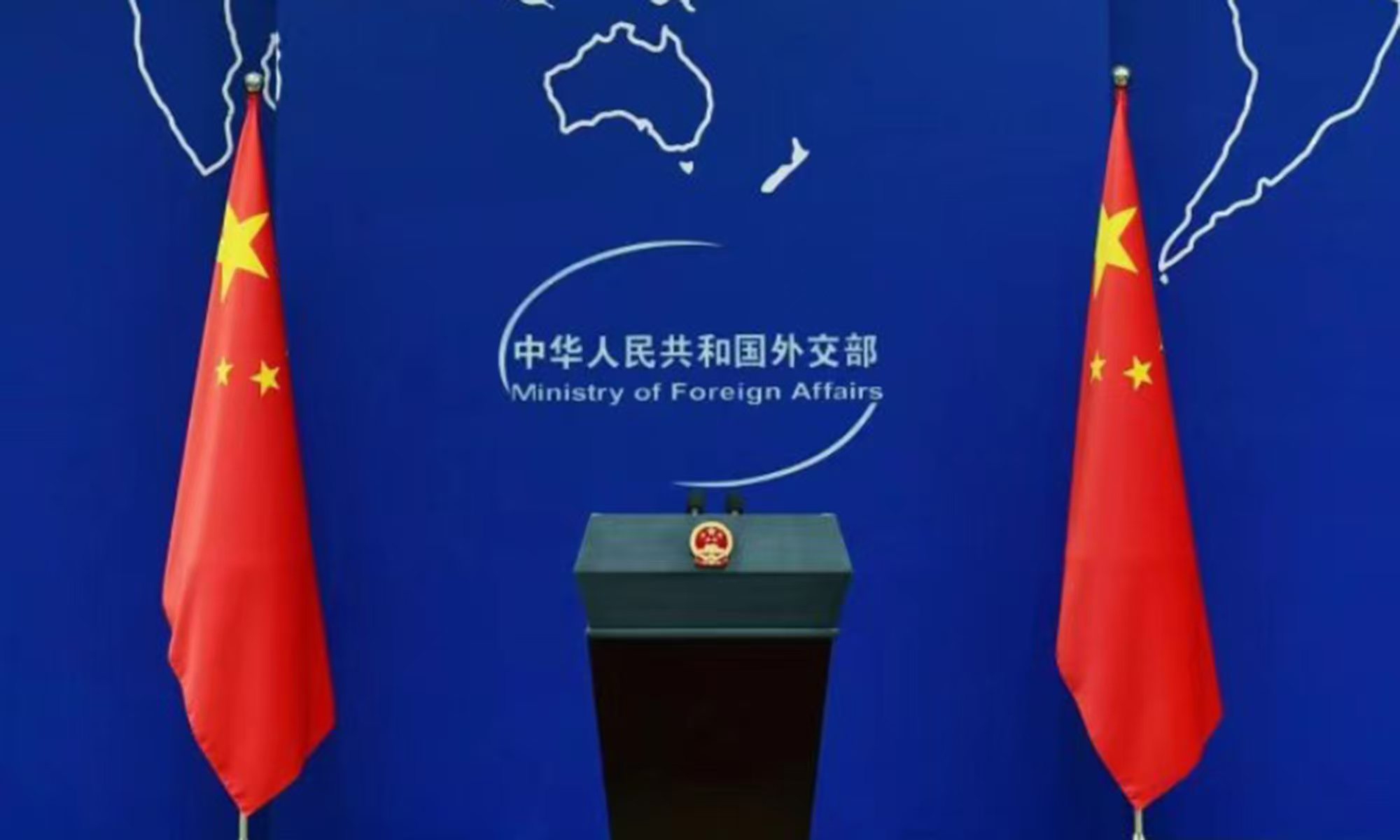
Chinese Foreign Ministry
China on Thursday pushed back against Japan's latest diplomatic maneuvering, with Foreign Ministry spokesperson Guo Jiakun saying "No need for the Japanese side to be so nervous and dramatic" when asked about reports that Japan's defense minister had spoken with NATO and Italy, conveying his concern over recent China-Russia joint patrols.
Guo made the remarks during a regular press briefing as he reiterated that the joint patrol was carried out under the annual cooperation plan and "showed the two countries' resolve and capability to jointly tackle regional security challenges and keep the region peaceful and stable."
The comment followed sharpened criticisms from the ministry on Wednesday over Japan's inconsistent statements regarding its hype of so-called "radar illumination" by a Chinese warplane, criticizing Japan for deliberately attempting to divert attention and mislead the international community. Analysts noted that after the China-Russia joint patrol and the so-called "radar illumination" allegations, Tokyo has accelerated its outreach to Western partners in what appears to be a coordinated effort to secure external backing.
Bloomberg reported that Japanese Defense Minister Shinjiro Koizumi held a flurry of calls on Wednesday, briefing NATO Secretary General Mark Rutte and Italian Defense Minister Guido Crosetto on the so-called "radar illumination" by Chinese aircraft and a joint flight by Chinese and Russian bombers south of Okinawa, citing Japan's Defense Ministry.
According to the report, Koizumi also confirmed his intention to strengthen cooperation with both Rutte and Crosetto, the ministry said in separate statements.
Japanese media outlet Nikkei further reported that on the same day, Keiichi Ichikawa, secretary-general of the National Security Secretariat, held a phone call with Günter Sautter, Foreign and Security Policy Advisor to the German Chancellor, and it is believed that the talks included the so-called "radar illumination" issue and China-Japan issues related to Taiwan region.
Chinese analysts said the moves appear to be part of a deliberate strategy to portray Japan as a victim, gather political support from Western allies, and offset growing domestic and international criticism over Prime Minister Sanae Takaichi's recent erroneous remarks on Taiwan.
The official Weibo account of the Chinese People's Liberation Army (PLA) Air Force on Thursday evening released two posters with both Chinese and Japanese captions that appeared to echo Guo's comment that there was "no need for the Japanese side to be so nervous and dramatic."
The first poster featured an H-6K bomber accompanied by a J-16 fighter jet, with the caption "Stop making a fuss and recognize this as the new normal!" The second showed an H-6K bomber and a J-11 fighter jet on the ground, carrying the phrase indicating that nervous "self-identification reveals a guilty conscience," along with the hashtag #No need for the Japanese side to be so nervous and dramatic.
Rebuttals to Japan's claims
China's pushback this week has been broad. In addition to issues related to the China-Russia joint patrol, the Foreign Ministry on Thursday addressed Japanese Prime Minister Sanae Takaichi's remarks on Taiwan. Guo said Takaichi's erroneous statements "have not only triggered strong outrage among the Chinese people, but also met with increasing opposition and criticism that is objective and reasonable in Japan."
Guo's comments came in response to media inquiries on Takaichi's claims at the Diet that Japan and China "have various kinds of outstanding issues" and should work to reduce them while maintaining dialogue and that Japan continues to question China over seafood import controls and the so-called "target radar" issue "yet never reflected on its own wrongdoing and instead blamed it on China."
Guo added that he had noted comments by former editor-in-chief of Sekai Magazine and former president of Iwanami Shoten, who said that while Takaichi has repeatedly mentioned having "dialogues" with China, meaningful dialogue must be based on mutual respect, equality and efforts to understand the other side. "Her current attitude does not meet the conditions for genuine dialogue." These comments, Guo said, point to the essence of the issue.
Regarding the so-called "radar illumination", the Japanese government stated "the intermittent illumination" is "a dangerous act". Guo clarified on Tuesday that activating search radar during flight training is commonly done by carrier-based aircraft of all countries. It's also a normal measure to ensure flight safety. He asked, "Why did the Japanese Self Defense Force fighter jets come to those areas to create this dangerous incident which shouldn't have happened? Are they deliberately harassing China's normal exercise and training and creating tensions?"
Guo also highlighted Japan's inconsistent messaging on the matter on Wednesday: "Yesterday, the Japanese side said they received no prior notification of China's flight drill. Today, they admitted that they did receive the information beforehand." He also noted that the Japanese side continues to beat around the bush without explaining why they sent warplanes into China's pre-announced exercise zones and repeatedly engaged in hostile surveillance and disruptive maneuvers.
Analysts noted that Japan's series of diplomatic outreach and claims show a clear pattern that it is elevating the "China threat" narrative to justify further military expansion and divert attention from intensifying backlash at home over Takaichi's statements and contradictions in its radar narrative.
"At a time when the Takaichi administration is under fire for its erroneous statements on Taiwan and its inconsistent statements over the so-called radar illumination issue have triggered backlash at home, Japan is attempting to hype the 'China threat' to divert attention and create justification for its military expansion," Xiang Haoyu, a distinguished research fellow at the China Institute of International Studies, told the Global Times on Thursday.
Tokyo, analysts noted, lacks both "reason and strength" in confronting China, and is therefore attempting to rally Western actors, especially NATO, to signal support. Japan has no legitimacy or capability to confront China, so it hopes NATO will act as a helping hand, they said.
Song Zhongping, a Chinese military affairs expert, told the Global Times on Thursday that Japan's expectations are unrealistic given NATO's legal mandate and geographical limitations.
"At most, Japan can gain a bit of emotional reassurance, but not actual support," Song said, adding that China remains unwavering in defending its core interests.
Meanwhile, Bloomberg reported that US and Japanese military forces conducted a joint exercise in the airspace over the Sea of Japan Wednesday. The drill included two US B-52 bombers and Japanese fighter jets, the statement released by Japan Joint Staff said, per the report.
Japan has long attempted to pull NATO into the Asia-Pacific and tighten military cooperation, drawing the bloc further into the region to counter China, but these efforts will ultimately prove futile, Xiang said.
RELATED ARTICLES