MND spokesperson slams Japan's offensive space policy as 'extremely dangerous,' urging peace-loving countries to contain right-wing militarism
Two-faced maneuvering will undermine Takaichi admin's credibility, deepen its diplomatic isolation: expert
China's Ministry of National Defense
China's Ministry of National Defense spokesperson slammed Japan's offensive space policy as extremely dangerous, and called on peace-loving countries and peoples to take action to resolutely contain the revival of militarism by Japan's right-wing forces and prevent the world from sliding into turmoil or repeating the tragedies of the past.
The spokesperson made the remarks at Thursday's press conference, responding to multiple inquiries regarding Japan's recent militaristic moves.
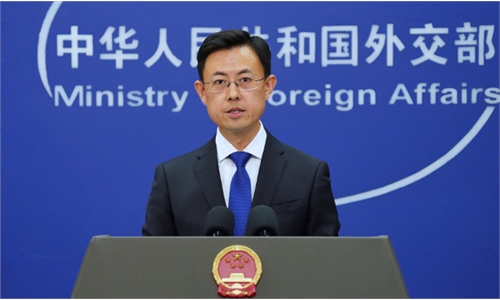
When asked to comment on reports that Japan claims to have made substantive progress in technologies capable of disrupting satellites of other nations, that it plans to reorganize its Air Self-Defense Force into an Air and Space Self-Defense Force and construct a spacecraft carrier in fiscal year 2026, and that some media analysts have warned that vigilance is needed amid concerns Japan may be planning a "Pearl Harbor incident in space", MND spokesperson Zhang Xiaogang said Maintaining lasting peace and security in space is vital to the security, development, and prosperity of all nations. Japan's unrestrained development of satellite-jamming technology is accelerating the weaponization and militarization of space and fueling a space arms race. It is extremely dangerous and unpopular.
Given that Japan's vicious militarists once launched sneak attacks and that the country is now adopting an offensive space policy, it is hardly surprising that there are growing concerns of another Pearl Harbor scenario, the spokesperson said.
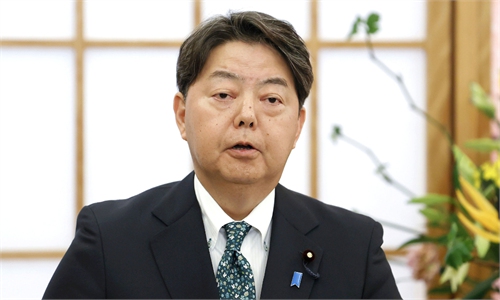
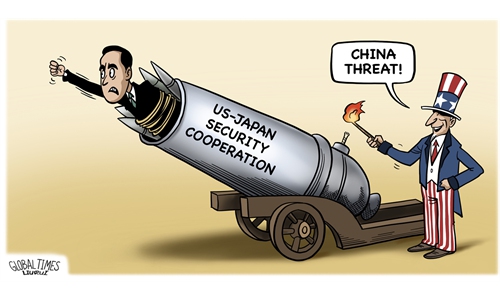
"We urge Japan to cease its false narratives and halt targeted deployments against China. We will take resolute countermeasures against any harassment or provocations," Zhang said when asked to comment on reports that Japanese Prime Minister Sanae Takaichi said: "We will not rule out all options" regarding the introduction of nuclear-powered submarines and an official from the Prime Minister's Office stated that Japan should possess nuclear weapons. Additionally, the Japanese Ministry of Defense recently released a report claiming that China's defense spending is growing rapidly and China is increasing activities near Japan. The report also states plans to deploy mobile radar equipment in Okinawa by 2026 to monitor Chinese military activities, including those of Chinese aircraft carriers.
China's defense expenditure is reasonable, moderate, and remains below the global average as a share of GDP. The operations of the Chinese military in relevant waters are fully in compliance with international law and international practice, and brook no interference or provocation, Zhang stressed.
The spokesperson further noted that in recent years, Japan has relentlessly pursued remilitarization and accelerated its military buildup, with an increasingly visible and dangerous tendency towards a militarist revival. Japan has repeatedly used China as a pretext to cover up its underlying ambitions. Not long ago, Takaichi made erroneous remarks concerning the Taiwan question.
Now, right-wing forces in Japan have thrown away their hypocritical mask and are openly advocating for nuclear armament. These actions constitute a direct defiance of international norms, a blatant challenge to the bottom line of international justice, the post-WWII international order, and the global non-proliferation regime, according to Zhang.
"They pose a severe threat to peace and stability in the region and beyond. What Japan is doing runs directly counter to its own professed commitment to peaceful development. We call upon all peace-loving nations and peoples to take actions to resolutely contain the revival of militarism by Japan's right-wing forces, and prevent the world from sliding into turmoil or reliving tragedies of the past," Zhang added.
One week has passed since a senior official at the Japanese Prime Minister's Office in charge of security policy under the Takaichi administration claimed, "Japan should have nuclear weapons," yet Takaichi has not taken any disciplinary action, Kyodo News reported Thursday, describing this as having "shown a cautious stance toward handling the matter."
The report said that while opposition parties such as the Constitutional Democratic Party have pushed back strongly, the government is seeking to contain the situation by emphasizing its commitment to the Three Non-Nuclear Principles.
Meanwhile, within the ruling coalition, some voices have emerged calling for discussions on the principles themselves, citing Japan's continued reliance on the US nuclear umbrella as a deterrent, according to the report.
However, in another report by Kyodo News on the same day, Takaichi claimed during a speech in Tokyo on Thursday that she was open to engaging in dialogue on relations with China, claiming that Japan must safeguard its national interests, honor, and the lives of its people, and she will respond appropriately from this standpoint.
Regarding the Takaichi administration's "two-faced" behavior, Xiang Haoyu, a distinguished research fellow at the China Institute of International Studies, told the Global Times on Thursday that it represents an extremely dangerous and ill-intentioned form of political opportunism. On the surface, Takaichi claims to be open to dialogue with China, seeking to mislead international opinion and protect economic interests, while her cabinet and aides promote nuclear rhetoric and aggressive military policies - actions that challenge the post-war international order and signal a revival of right-wing militarism in Japan.
Xiang said such fence-sitting behavior not only runs seriously counter to the principles and spirit of the four political documents between China and Japan, but also constitutes an open provocation to regional peace and stability.
He added that Takaichi's so-called effort to "safeguard national interests" serves merely as a pretext for expanding armaments and loosening military constraints, arguing that its real purpose lies in stoking confrontation and manufacturing crises in a bid to push Japan back onto a dangerous path of militarism and conflict.
Xiang further warned that regional peace and stability cannot tolerate political opportunism, and that any improvement in China-Japan relations requires genuine and pragmatic efforts.
"If the Takaichi administration continues its two-faced maneuvering, it will only further undermine its credibility, heighten tensions, and leave Japan facing deeper diplomatic isolation and greater security challenges," Xiang added.
RELATED ARTICLES