Canada reportedly resumes beef exports to China after Carney’s visit; move, if confirmed, marks positive sign in bilateral ties: expert
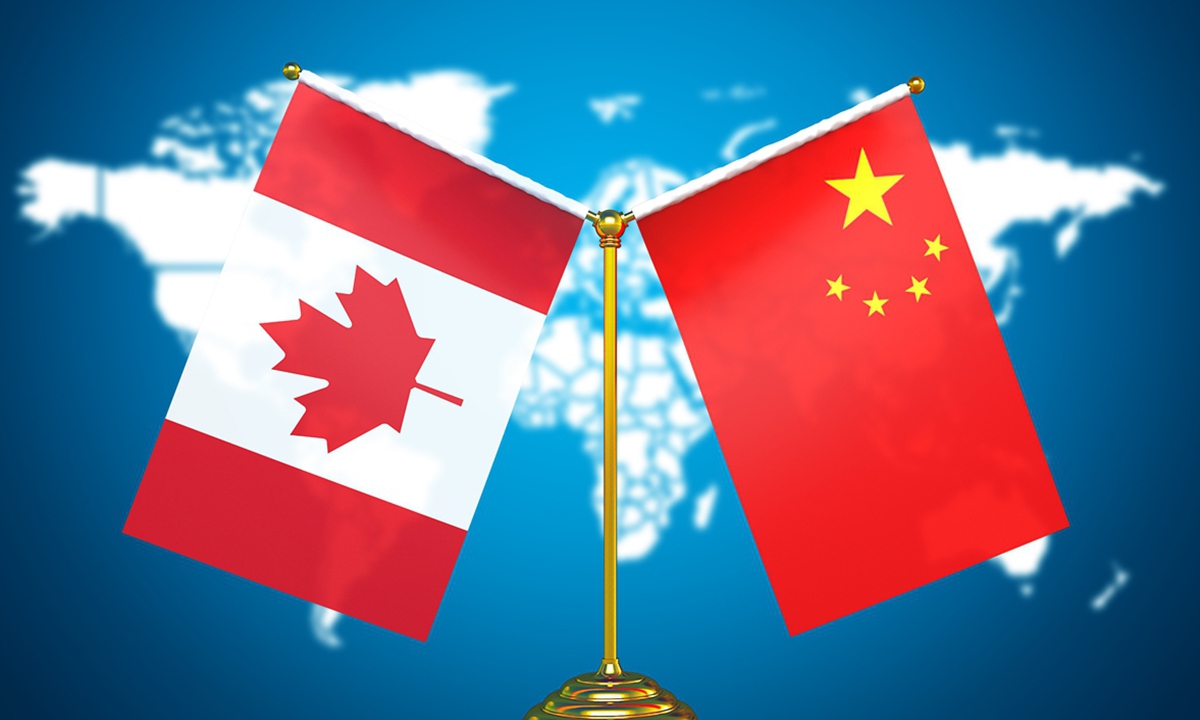
China and Canada Photo: VCG
Canadian beef will be exported to China following the relaxation of an import suspension that had been in place since 2021, the Reuters reported, citing Canadian Agriculture Minister Heath MacDonald. A Chinese expert said that the reported move, if confirmed, marks another positive sign in the development of China-Canada economic and trade relations, and stressed that more concrete efforts should be made to strengthen this positive momentum.“We know that there's a large company that’s shipping its first load of beef to China next week,” Canadian Agriculture Minister Heath MacDonald was quoted by Reuters as saying.
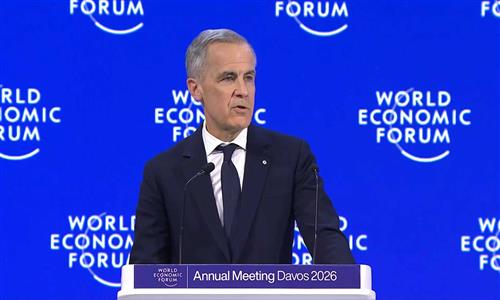
As of press time on Thursday, there was no public confirmation from the Chinese side about the reported move. But the reported beef export came after Canadian Prime Minister Mark Carney wrapped up his visit to China last week – also the first visit by a Canadian prime minister to China in eight years.
Earlier on Tuesday, MacDonald announced in a post on his X account that “China has restored market access for Canadian beef, lifting the suspension that had been in place since December 2021. In addition, we have signed a pet food safety and sanitation requirements protocol to accelerate resumption of Canadian pet food exports to China.”
The Reuters report noted that China was Canada's fourth largest beef market in 2021, before being suspended in December of that year.
MacDonald said in the post that the reopening of the Chinese market will “support Canada’s efforts to grow the economy, create jobs, and help Canadian producers and processors access new and expanding markets.”
Zhou Mi, a senior researcher at the Chinese Academy of International Trade and Economic Cooperation, told the Global Times on Thursday that the reported resumption of Canadian beef exports to China, if confirmed, would mark another positive sign for bilateral ties and could be beneficial for both sides, as Canada could diversify its beef export markets, while Chinese consumers would gain more sources and food choices.
Zhou nevertheless noted that in the initial phase, Canada’s beef exports to China are likely to remain limited, as they must take into account domestic Chinese demand. And it is hoped that the Canadian side will take more concrete efforts to strengthen the positive momentum inbilateral cooperation, Zhou said.
According to the Joint Statement of the China-Canada Leaders’ Meeting released on Friday, during Carney’s visit to China, in economic and trade cooperation, leaders were committed to strengthening economic and trade partnership between China and Canada and welcomed progressin the negotiations to resolve trade issues. The two sides committed to strengthening agricultural cooperation and food security, including through a revitalized China Canada Joint Agriculture Committee, according to Xinhua.
The Chinese and Canadian sides have made a series of concrete arrangements to properly resolve trade frictions in areas such as electric vehicles (EV), steel and aluminum products, canola, and agricultural and aquatic products. The two sides have also reached positive consensus on issues such as increasing direct flights, improving the business environment, and agricultural product inspection and quarantine, according to a statement on the website of China’s Ministry of Commerce (MOFCOM) on Saturday.
“This represents not only an important step forward in addressing each other's economic and trade concerns, but also a new starting point for deepening bilateral economic and trade cooperation,” the statement noted.
Responding to a question regarding the Canadian side’s remarks that it will make positive adjustment on measures involving China’s EV exports to Canada, the MOFCOM said that Canada will grant Chinese EV an annual quota of 49,000 units at the most-favored-nation (MFN) tariff rate of 6.1 percent and will no longer be subject to the 100 percent additional tax. The quota volume will increase progressively each year at a certain proportion.
The ministry also noted that Canada will make positive adjustments regarding the unilateral measures it has taken against Chinese EVs, steel and aluminum products, as well as individual cases involving the investment and operations of Chinese enterprises in Canada. Accordingly, the Chinese side will, in accordance with relevant laws and regulations, adjust the anti-dumping measures on Canadian canola that Canada has been concerned about, as well as the anti-discrimination measures taken against certain Canadian agricultural and aquatic products, according to the ministry.
RELATED ARTICLES