Shenzhen’s Nanshan becomes China’s first district to reach 1 trillion-yuan GDP in 2025, powered by tech innovation, exports
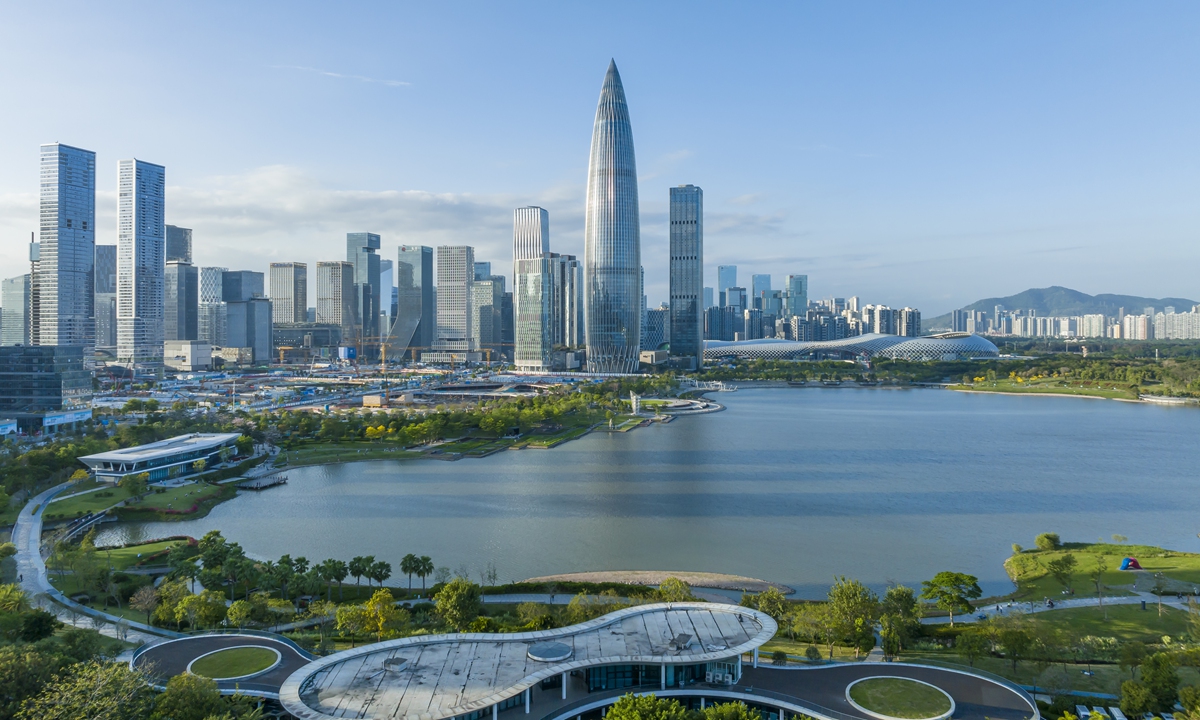
A view of Nanshan district of Shenzhen, South China's Guangdong Province File photo: VCG
Economic output in Nanshan district of Shenzhen, South China's Guangdong Province reached the 1 trillion yuan ($143.7 billion) threshold in 2025, averaging an annual growth rate of more than 5.8 percent during the past five years, a city government official said on Tuesday when delivering the annual local government work report.
Widely deemed an important hub for tech innovation and advanced manufacturing in the Guangdong-Hong Kong-Macao Greater Bay Area, Nanshan has become the first prefecture-level district in China with GDP exceeding 1 trillion yuan, and its economic output has even surpassed that of some European countries, according to the Xinhua News Agency.
Nanshan's GDP rose from 652.7 billion yuan at the end of the 13th Five-Year Plan (2016-20) period to more than 1 trillion yuan in five years, averaging annual growth of more than 5.8 percent, said Li Xiaoning, district mayor of Nanshan district government.
In 2025 alone, Nanshan's GDP growth was estimated to have exceeded 6 percent — outperforming the national, provincial and municipal averages — and the district led Shenzhen in several major economic indicators, according to a People's Daily report.
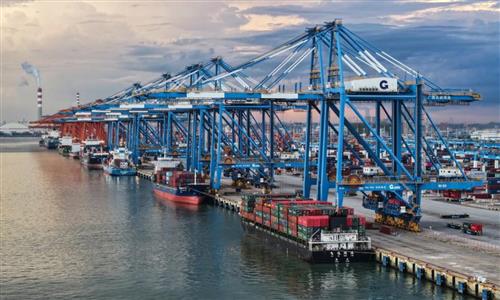
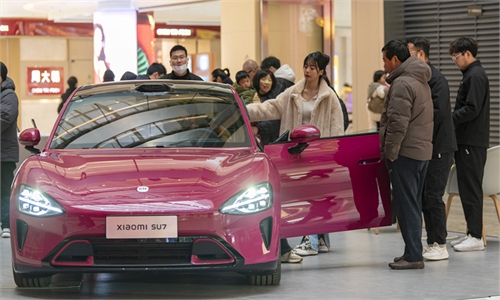
Industrial output of above-scale enterprises was estimated at more than 900 billion yuan. Fixed-asset investment was estimated at 194.2 billion yuan, and retail sales were estimated at more than 192 billion yuan, with year-on-year growth of 6.8 percent. Total foreign trade was estimated at 941.9 billion yuan, with exports the highest among Shenzhen's districts, the People's Daily reported.
The district's government report also highlighted the growing contribution of high-tech sectors. Value added from strategic emerging industries accounted for about 60 percent of Nanshan's GDP.
A large number of technology start-ups from elsewhere in Guangdong, as well as Hong Kong and Macao, have taken root and developed in Nanshan. Leading companies such as Huawei, DJI, Tencent and ZTC have offices there, Global Times reporters learned.
Nanshan district has stepped up links with research resources in Hong Kong and Macao and is actively developing future industries such as the low‑altitude economy and artificial intelligence (AI), with a number of tech companies now holding significant shares in global markets.
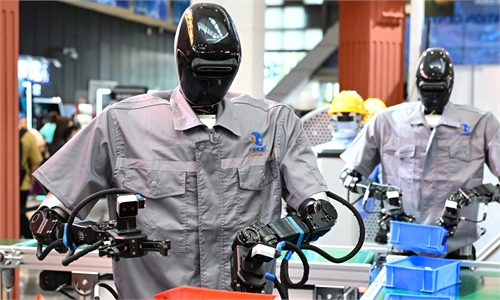
The district is home to more than 20 robot integrator firms, more than 200 upstream and downstream companies in the robotics supply chain, and more than 1,000 above-scale AI enterprises, according to the local government report. Local authorities said the district now serves a business ecosystem of more than 600,000 operating entities.
Nanshan's experience shows how technological innovation can overcome resource constraints and power new quality productive forces, offering a window onto China's broader growth potential, said Guo Wanda, executive vice president of the Shenzhen-based China Development Institute.
For 2026, the district has set a GDP growth target of more than 5 percent. According to Li, the government will actively expand investment, continue to stimulate consumption, deepen business environment reforms and strive for both reasonable quantitative growth and effective qualitative improvement as it seeks to sustain high-quality development.
Global Times
RELATED ARTICLES