SPP prosecutes 62,000 telecom fraud suspects; 16 members of the northern Myanmar-based Ming and Bai family criminal gangs sentenced to death
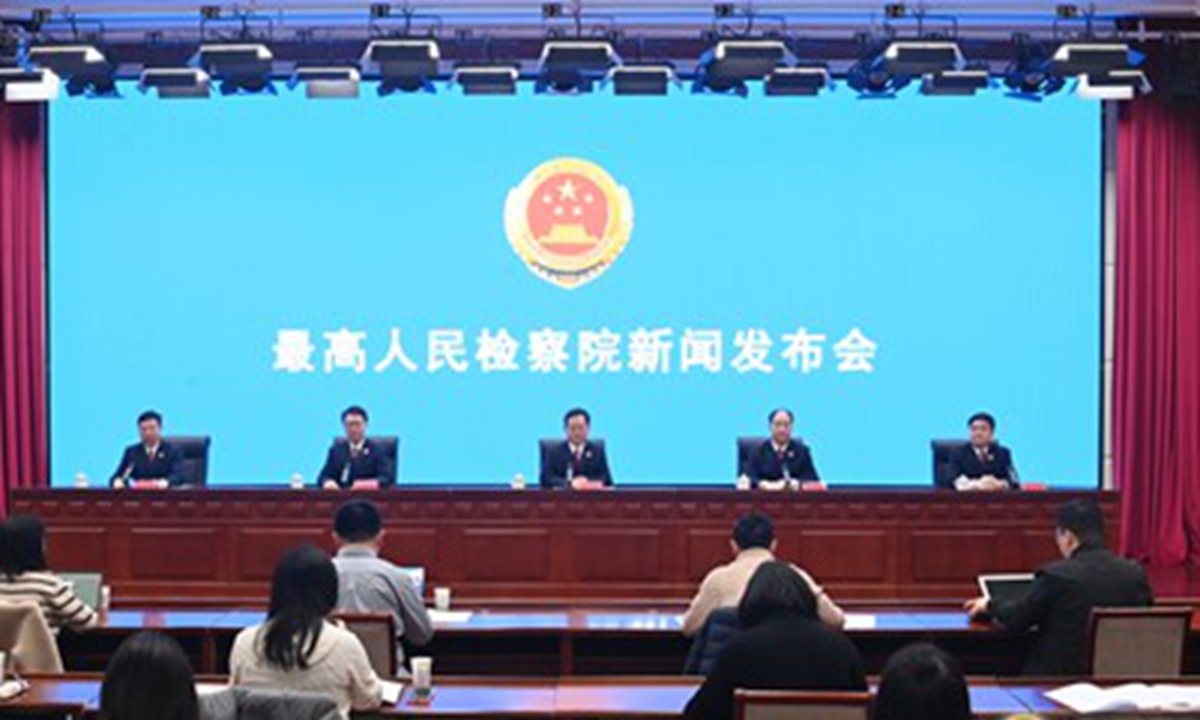
The Supreme People's Procuratorate (SPP) holds a press conference on February 5, 2025. Photo: SPP official website
China's Supreme People's Procuratorate (SPP) has prosecuted 62,000 people involved in telecom and online fraud crimes as part of intensified efforts to crack down on serious criminal offenses, an official from the top procuratorate said on Thursday.
Speaking at a press conference themed on strengthening criminal prosecution oversight and advancing higher-level public security, Miao Shengming, deputy procurator general of the SPP, outlined prosecutorial efforts to crack down on serious criminal offenses, including telecom and online fraud, as part of broader measures to safeguard national security, social stability and public safety.
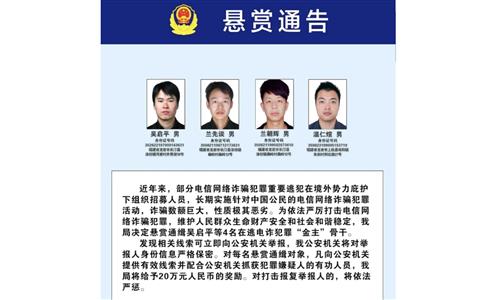
Since the launch of a special campaign in 2023 targeting telecom fraud linked to northern Myanmar, Chinese procuratorial authorities have approved the arrest of 48,000 suspects repatriated in batches, mainly involving criminal groups represented by the so-called "Four Major Families" in Kokang, northern Myanmar, and have initiated public prosecutions against 47,000 people, Miao said
Among them, 16 members of the Ming and Bai family criminal gangs have been sentenced to death in accordance with the law, Miao added.
As previously reported by the China Central Television (CCTV) News, 11 core members of the Ming family crime syndicate and five leading members of the Bai family criminal gang, which were involved in telecom fraud syndicates operating in northern Myanmar, were sentenced to death for serious crimes including intentional homicide and injury, telecom fraud, illegal detention, drug trafficking and operating illegal casinos. Another principal offender from the Bai family gang later died of illness, according to earlier reports.
Fan Hongwei, a professor with the Research School of Southeast Asian Studies at Xiamen University, told the Global Times on Thursday that China's crackdown on telecom fraud has been a gradual and exploratory process, evolving from earlier efforts against traditional scams to the current focus on transnational fraud networks in northern Myanmar, with the latest judicial outcomes reflecting accumulated progress and achievements over time.
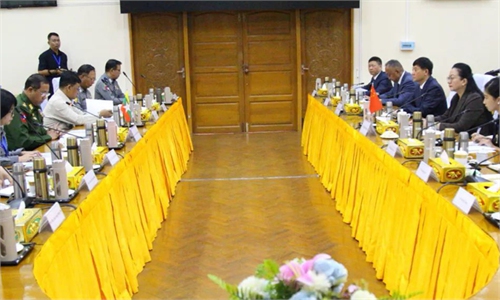
Fan also noted that in the context of emerging technologies such as artificial intelligence giving rise to new forms of crime, China's response to telecom fraud demonstrates a growing confidence and capacity to protect its citizens and national interests despite external constraints. The expert said that the current statistics and approaches highlight the importance of regional cooperation and joint governance with neighboring countries, adding that sustained cooperation is essential to counter cross-border crimes such as telecom fraud, which undermine mutual trust and regional stability.
When asked to comment on media reports that members of telecom fraud-related criminal gangs based in Myanmar had been executed, Chinese Foreign Ministry spokesperson Lin Jian said on Monday that China has worked actively with Myanmar and other countries in fighting cross-border telecom and online fraud to jointly eradicate the scourge of online gambling and telecom fraud, protect the safety of the people and their property, and uphold the order of exchanges and cooperation between regional countries. The efforts have achieved good results. China will continue to deepen international law enforcement cooperation, step up effort to fight telecom fraud, online gambling and other related cross-border criminal activities, and jointly eliminate such crimes.
RELATED ARTICLES