China, South Korea reach price‑commitment deal in hot‑rolled coil anti‑dumping case, MOFCOM says it boosts bilateral trade stability
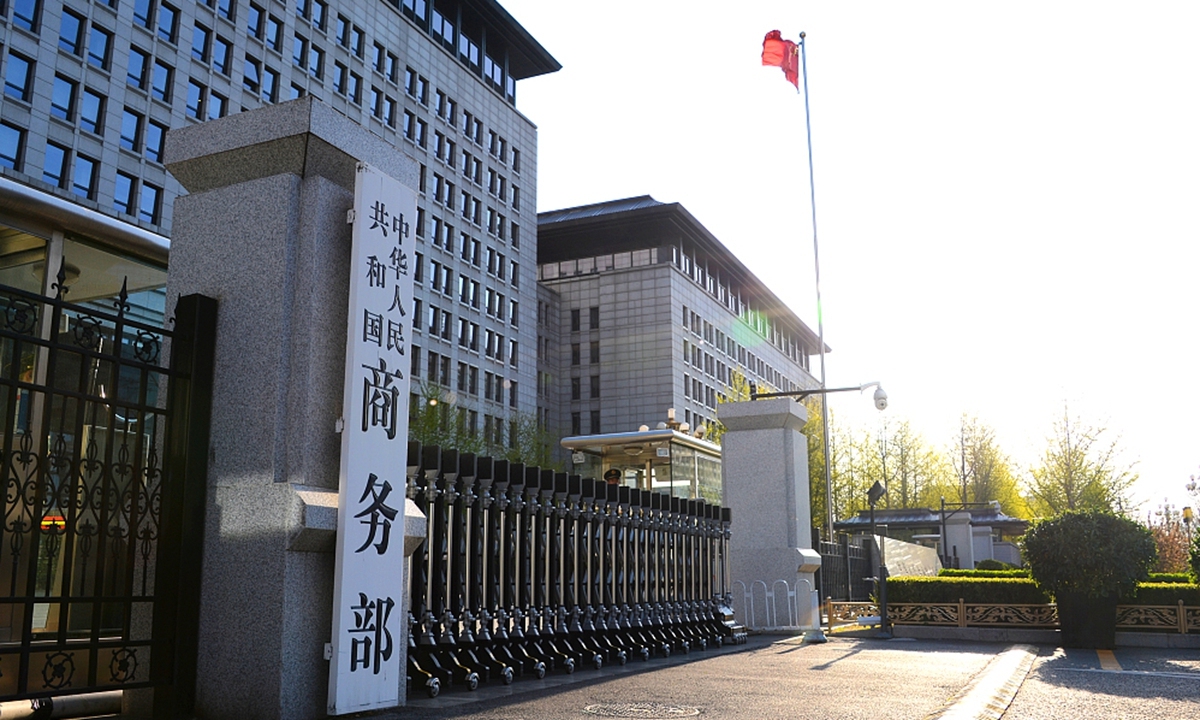
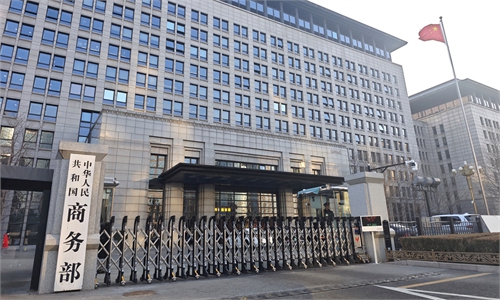
The Ministry of Commerce (MOFCOM) Photo: VCG
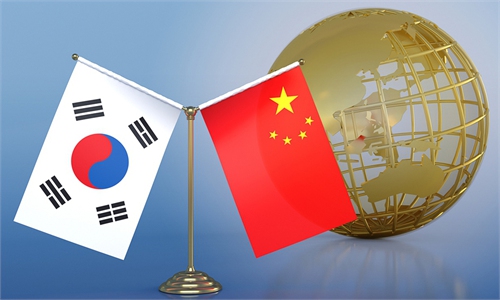
Commenting on South Korea's final determination in the anti‑dumping case on Chinese hot‑rolled coils — in which the two sides reached a price‑commitment agreement — a spokesperson for China's Ministry of Commerce (MOFCOM) said on Tuesday that it sends a positive signal for consolidating and deepening bilateral economic and trade cooperation.
A Chinese expert said that the outcome is consistent with the long‑term interests of both countries' steel industries and will help stabilize bilateral trade.
On Monday, South Korea said in its final determination on the anti‑dumping case concerning China's hot‑rolled coils that it had reached agreement with the Chinese side on a price‑commitment agreement. The MOFCOM spokesperson noted that the agreement has gained support from industry participants in both countries and said that replacing anti‑dumping duties with a price commitment is in the interests of the industries of both countries and will enhance the stability and predictability of steel trade between China and South Korea.
The spokesperson noted that China and South Korea maintain close economic ties, deeply integrated industrial and supply chains, and mutually beneficial cooperation.
The resolution of the case, described as a "soft landing," reflects mutual respect, mutual understanding, and mutual consideration of each other's legitimate concerns, and sends a positive signal for consolidating and deepening bilateral economic and trade cooperation, the spokesperson noted.
In the current international context, the two sides' proper resolution of the hot‑rolled coil case within the framework of World Trade Organization (WTO) rules demonstrates their commitment to multilateralism and to maintaining free and fair trade, sets another example of resolving differences through dialogue and consultation, and injects positive energy into stabilizing international economic and trade cooperation, according to the MOFCOM.
Price commitment means that enterprises set and commit to the current and future market prices of products at the beginning of product sales. This mechanism represents a reasonable solution among trade remedy measures and is feasible in international trade practice, said Zhou Mi, a senior research fellow at the Chinese Academy of International Trade and Economic Cooperation.
This move by China and South Korea also offers useful lessons for other countries, Zhou said, adding that as trade protectionism and unilateralism have significantly disrupted the existing international trade order, all WTO members have the right to use trade remedy measures to protect their interests. If China and South Korea can properly address their concerns through price commitments, this would not only strengthen links between their industries but also help firms reduce uncertainty.
Zhou further pointed out that this would benefit relevant industries and their upstream and downstream supply chains — particularly South Korean downstream sectors such as shipbuilding and vehicles — by helping to ensure supply chain stability and resilience.
RELATED ARTICLES