ARTS / CULTURE & LEISURE
Archaeologists discover 25 new pre-Qin sites in Zhejiang Province
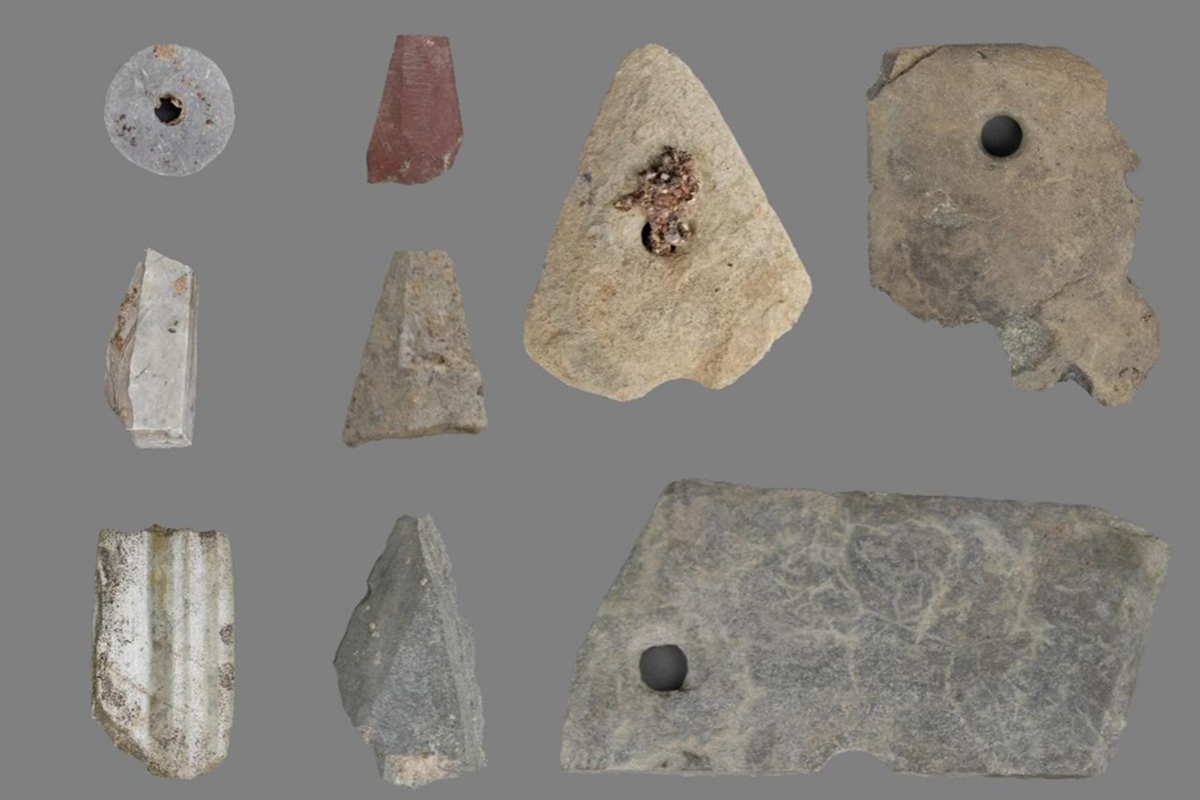
Stone artifacts unearthed from sites along the Fenghua River in Ningbo, East China's Zhejiang Province Photo: Courtesy of the Ningbo Municipal Institute of Cultural Heritage Management
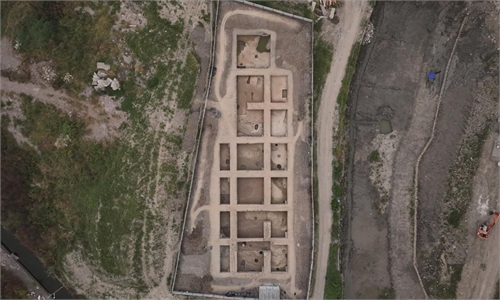
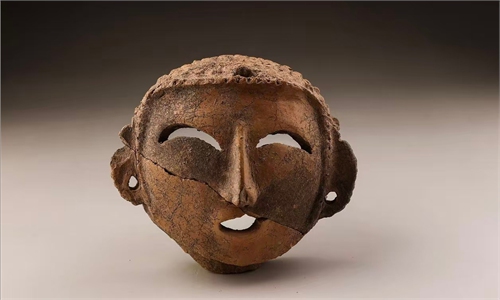
Archaeologists in Ningbo, East China's Zhejiang Province, have uncovered 25 sites along the Fenghua River dating back to the period prior to the Qin Dynasty (221BC-206BC), according to the Ningbo Municipal Institute of Cultural Heritage Management on Wednesday. Most of the sites contain late Hemudu culture remains.The Hemudu culture, named after Hemudu Township in Ningbo, where ruins from the culture were first discovered, belonged to a prehistoric society along the lower reaches of the Yangtze River and is known for its rice agriculture and unique stilt-style architecture.
The discoveries, part of a multi-year survey of the Fenghua River basin, bring the total number of pre-Qin sites in the area to 71, reinforcing the river basin's significance as a core area for ancient settlements in Ningbo, according to a press release the institute sent to the Global Times.
The newly identified sites primarily feature lowland settlements, with four located on hillsides, mounds, or isolated hills. The remaining 21 are situated on plains about three kilometers from the surrounding mountains. More than half of the sites consist of multiple small areas, typically between 1,000 and 5,000 square meters in size and spaced tens to hundreds of meters apart.
The sites date mainly to the late Hemudu culture and the mid-to-late Liangzhu culture, with few Bronze Age remains. Only a few contained Spring and Autumn Period (770BC-476BC) or Warring States Period (475BC-221BC) artifacts, such as stamped pottery shards or red clay tripod vessel bases.
Since 2022, the Ningbo Municipal Institute of Cultural Heritage Management has been conducting a systematic survey of the Fenghua River basin. During the survey, researchers focused on the foothills, plains, and elevated mounds in the river basin. They determined the locations of the sites by combining surface collection of pottery shards with general exploration, and then used detailed investigations to define the boundaries of the sites and the distribution of cultural layers.
According to studies in environmental archaeology, by the late Hemudu culture period, the rivers and landforms along the Fenghua River had gradually stabilized, creating more suitable areas for settlement. Populations began spreading from the foothills to the plains, leading to a rapid increase in the number of settlements, which were generally smaller and more dispersed, said the statement.
Fieldwork for the Fenghua River pre-Qin site survey is nearly complete. Next, researchers plan to compile data and study the spatial distribution, evolution, and social development of these ancient settlements, supporting Ningbo's broader efforts to trace the origins of regional civilization.
The first major digs in 1989 marked the beginning of systematic research into the area's ancient settlements in the Fenghua River Basin. In the early 21st century, further surveys identified additional pre-Qin sites, and since 2017, several new excavations have been carried out at the confluence of the river's tributaries.
According to the institute, these findings have provided valuable data for understanding the chronology, regional characteristics, and settlement patterns of pre-Qin culture in Ningbo. They also suggest that the Fenghua River Basin may have been, alongside other valleys, a central area for pre-Qin settlement in the region.
RELATED ARTICLES