COSCO Shipping resumes Middle East bookings as Iran signals conditional transit through Hormuz
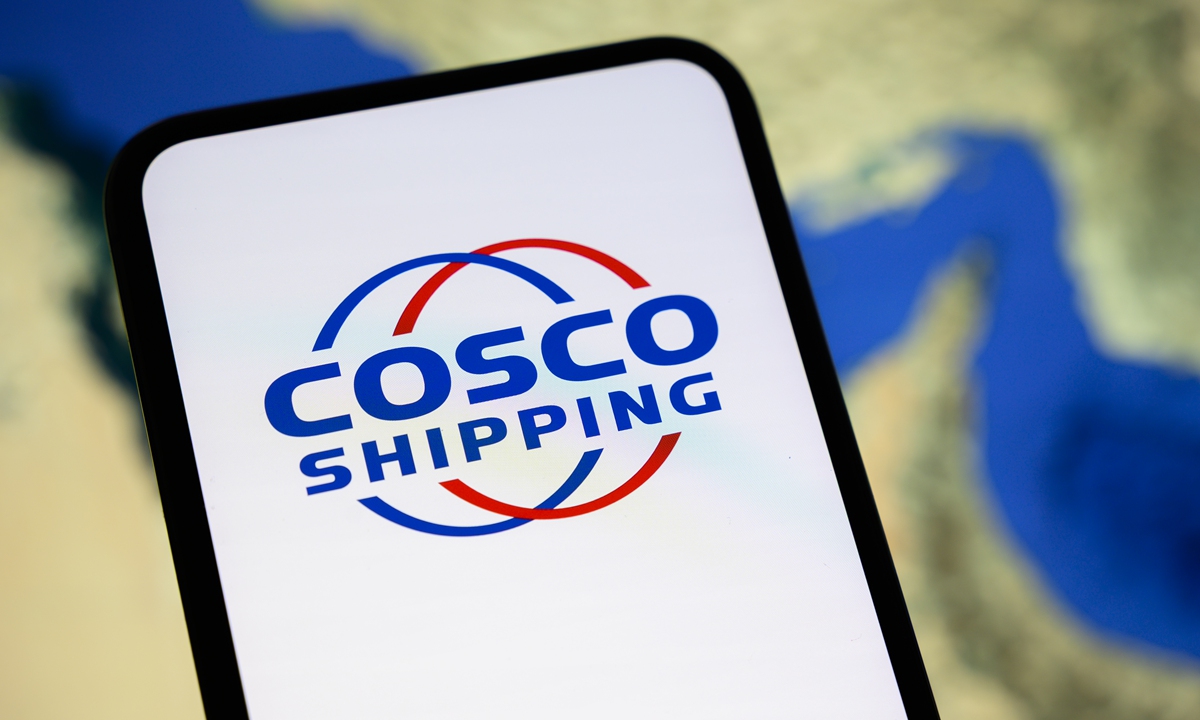
The logo of the shipping group COSCO appears on a smartphone screen with a satellite view of the Strait of Hormuz in the background. Photo: VCG
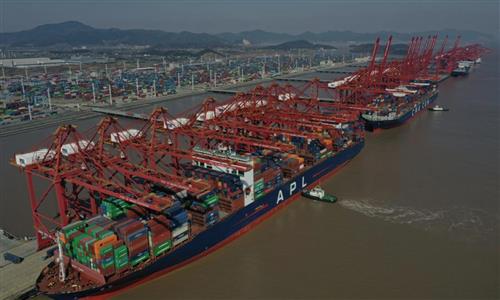
Chinese shipping giant COSCO Shipping's container liner unit began restoring services to key Middle East routes after Iran signaled that non-hostile vessel could transit the Strait of Hormuz under certain conditions.COSCO Shipping Lines said on Tuesday that it would resume new bookings for standard containers from the Far East to destinations including the United Arab Emirates, Saudi Arabia, Bahrain, Qatar, Kuwait and Iraq, according to a service notice on its official WeChat account.
The move followed a statement posted on social media platform X early on Tuesday by Iran's permanent mission to the United Nations, which said that "non-hostile" vessels - including those linked to other countries - may be granted safe passage through the Strait of Hormuz if they refrained from supporting actions against Iran and complied with relevant safety and security requirements.
The Strait of Hormuz, through which roughly one-fifth of global oil and liquefied natural gas supply flows, is one of the world's most critical maritime chokepoints. Recent tensions in the Middle East have sharply reduced traffic through the strait, with flows at one point dropping by as much as 97 percent after the conflict involving Iran began, according to Reuters, while also driving up insurance costs and adding volatility to freight rates and energy prices.
At the start of March, in response to escalating regional tensions and restrictions on maritime traffic through the strait, COSCO suspended all new bookings for routes to and from ports in the Middle East, including those in the six countries mentioned above, according to an earlier company statement.
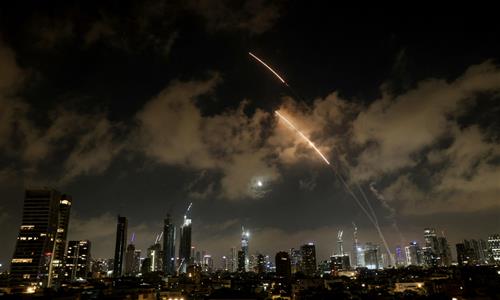
Other major container shipping companies including Maersk, Hapag-Lloyd and CMA CGM began rerouting vessels around Africa as of March 1, avoiding key routes such as the Suez Canal and the Bab el-Mandeb Strait, after US and Israeli strikes on Iran and the closure of the Strait of Hormuz, according to Reuters.
The "conditional opening" of this strategic waterway has, to some extent, eased concerns over navigational safety, but the volatile situation continues to create significant uncertainty, according to Zhou Mi, a senior research fellow at the Chinese Academy of International Trade and Economic Cooperation.
"Given the time lag between booking and cargo delivery, the reliability of shipping routes over this period remains subject to evolving conditions," Zhou told the Global Times on Wednesday.
COSCO's statement on Wednesday stressed that given the volatile situation in the Middle East, arrangements for new bookings and actual shipments may be subject to change, adding that it will continue to closely monitor developments in the region.
COSCO's resumption of bookings reflects a pragmatic adjustment following a reassessment of the situation, as the company seeks to limit supply chain disruptions and maintain basic trade flows to and from the region despite ongoing risks, Zhou said.
Asked to confirm whether any Chinese ships had successfully passed through the Strait of Hormuz following Iran's announcement that non-hostile vessels would be allowed to transit, Chinese Foreign Ministry spokesperson Lin Jian said on Wednesday that maintaining peace and stability in the Middle East and keeping shipping routes safe serves the common interests of the international community.
"The pressing priority is for the parties concerned to step up to their responsibilities and immediately stop military operations to avoid further deterioration and escalation of the situation and prevent the turmoil from causing a greater impact on the global economy," Lin said.
RELATED ARTICLES