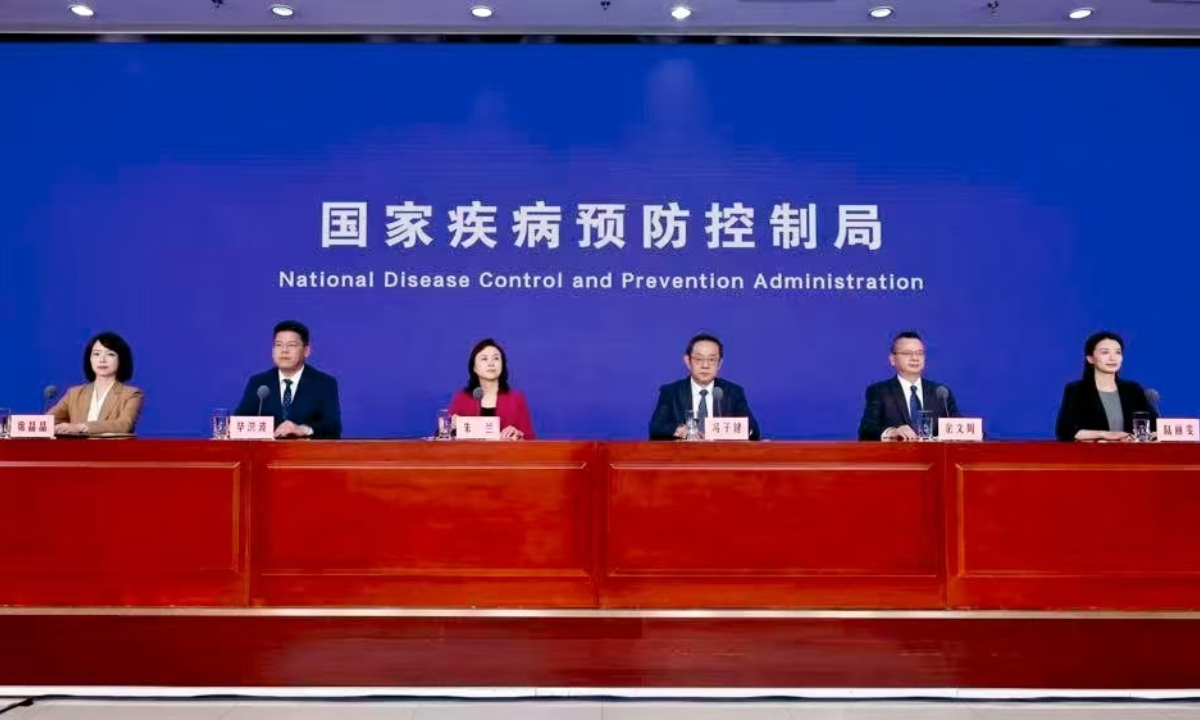
Photo: Screenshot from the website of China’s National Disease Control and Prevention Administration
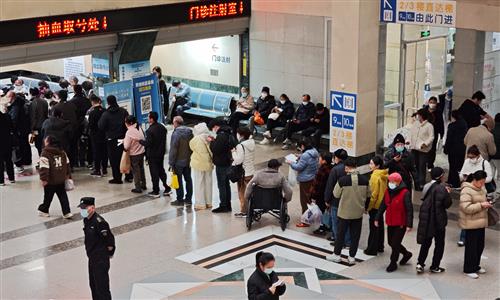
Respiratory infectious diseases in China have shown some fluctuations since the beginning of April, said Xi Jingjing, a spokeswoman for the administration, during a press briefing on Wednesday. As the May Day holidays approach, population mobility and gatherings are expected to increase significantly.
The administration stressed the need for vigilance against mosquito-borne diseases such as dengue fever and chikungunya, as well as enteric infections, including norovirus infections and hand, foot and mouth disease.
The administration urged the public to stay vigilant amid seasonal weather changes, paying attention to travel hygiene, mosquito-and tick-borne disease prevention, and avoiding close contact with wild animals. It also called for closer health monitoring of the elderly and children, along with prompt medical care if symptoms develop.
According to Zhuang Shilihe, a Guangzhou-based medical expert, in southern regions, influenza typically occurs in both summer and winter, while in northern regions it generally peaks in winter. However, in spring – such as at the start of the school term – increased population movement can lead to fluctuations in respiratory diseases. Compared with the peak in last December, current levels have already declined significantly, Zhuang told the Global Times on Wednesday.
According to Zhuang, as no new pathogens have been identified at present, most people do not need to be overly concerned. However, for more vulnerable groups – such as the elderly with weaker health and unvaccinated children – it is recommended to take protective measures when traveling or when in crowded places.
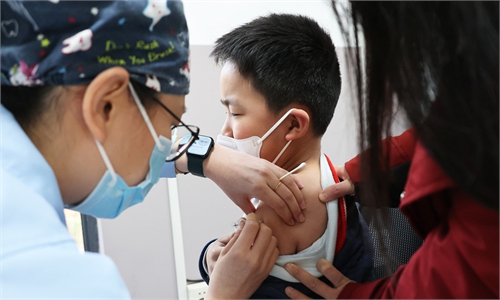
April 25 marks China’s 40th National Children’s Vaccination Day. Xi said that vaccination remains the most cost-effective and the most efficient tool to prevent diseases and safeguard public health.
China has consistently adapted to new challenges in infectious disease prevention and control by advancing a full life-cycle vaccination. It has continuously optimized its national immunization program strategies and refined public service measures to make vaccination more accessible and improve the quality of immunization services, promoting earlier intervention in disease prevention and control, Xi said.
According to the administration, China has in recent years maintained over 90 percent vaccination coverage for age-eligible children, reducing vaccine-preventable diseases such as measles, rubella, epidemic cerebrospinal meningitis, Japanese encephalitis and hepatitis A, to historic lows. China has also eliminated neonatal tetanus, underscoring its prevention-first public health strategy.
In 2025, China added the human papillomavirus vaccine to its national immunization program and expanded access to free vaccination services for age-eligible girls in 2026.
RELATED ARTICLES