China commends relevant countries for upholding one-China principle after Lai’s ‘transit visit’ canceled due to flight permit denial
By and Li Yu Published: Apr 22, 2026 09:46 PM

Chinese FM
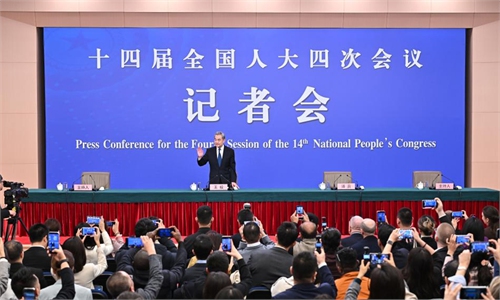
China's Foreign Ministry and the Taiwan Affairs Office of the State Council on Wednesday both commended relevant countries for upholding the one-China principle after they refused to grant flight clearance for Taiwan regional leader Lai Ching-te's so-called "transit visit" to Eswatini.
While Taiwan regional media extensively reported on Lai's cancelation of the visit, with some highlighting that it was the first time in history that such a trip was called off just one day before departure, a Chinese mainland expert said this would not be the last cancelation of its kind if Lai and the regional secessionist authorities continue to stubbornly pursue the path of "Taiwan independence."
According to a report by the Associated Press, Lai "postponed" a visit to Eswatini, Taiwan region's sole remaining so-called "diplomatic ally" in Africa, originally scheduled for April 22 to 26, after Seychelles, Mauritius and Madagascar canceled flight permits, a Taiwan local official told journalists on Tuesday.
A report by TVBS News highlighted that the visit was called off just one day before departure, marking the first such case in the history of a regional leader's overseas trip.
A commentary in the United Daily News noted that only a week earlier, the Taiwan regional authorities had unveiled Lai's planned direct trip to Eswatini. In the following days, they further suggested that Lai had been invited to speak and would use the occasion to showcase Taiwan's so-called "indispensable" role to African dignitaries and tribal leaders. But within days, the authorities suddenly announced the postponement of the trip, attributing the decision to pressure from the mainland.
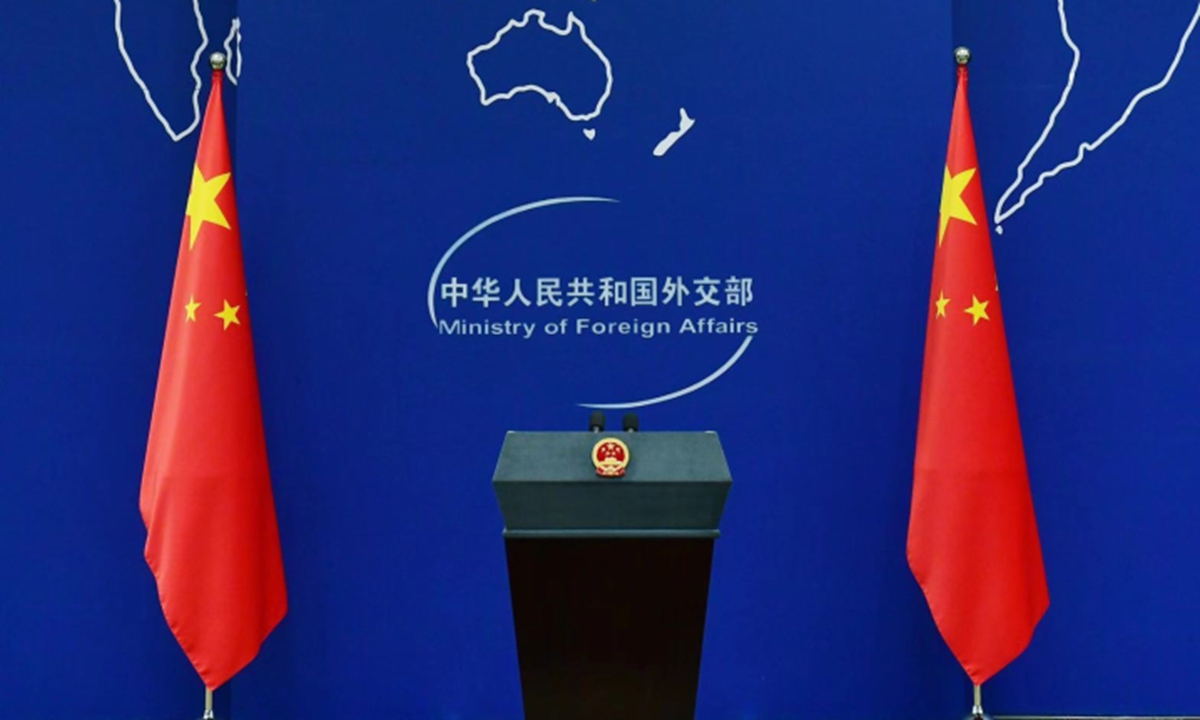
In a statement released on Wednesday, a spokesperson from the Chinese Foreign Ministry said that "all African countries, with the sole exception of Eswatini, have established diplomatic ties with China. These 53 countries together with the African Union have adopted the Beijing Declaration at the 2024 FOCAC Summit. They have reiterated on many occasions that they firmly uphold the one-China principle, there is but one China in the world, Taiwan is an inalienable part of China's territory, the Government of the People's Republic of China is the sole legal government representing the whole of China, and they firmly support all efforts by the Chinese government to achieve national reunification."
China highly commends relevant countries' commitment to the one-China principle which is fully consistent with international law and basic norms governing international relations, said the spokesperson.
It is very clear that there's no longer a so-called "ROC president" in the world anymore. Anyone who wears that false title is acting against history and will only invite disgrace upon themselves. The one-China principle is where the arc of history bends and public opinion trends, and to uphold it is the right thing to do. No one can ever stop the eventual reunification of China. The separatist attempts aimed at "Taiwan independence" are just futile and doomed to fail, said the spokesperson.
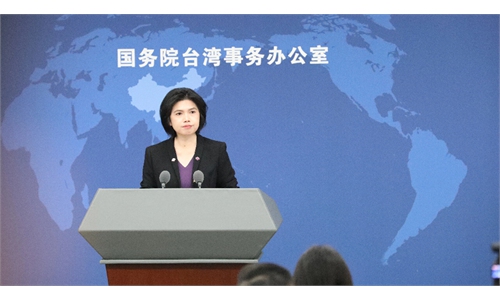
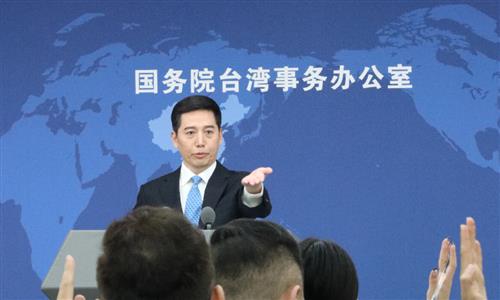
Also on Wednesday, when asked to comment on the news, Zhang Han, spokesperson of the Taiwan Affairs Office of the State Council, said that "we appreciate the position and actions of the relevant countries in upholding the one-China principle."
A just cause enjoys abundant support, while an unjust one finds little. The facts once again prove that the one-China principle is a basic norm governing international relations and a prevailing consensus of the international community. It represents the general trend of the times, the greater good, and the will of the people, Zhang said.
The Taiwan regional Democratic Progressive Party (DPP) held a meeting on Wednesday, during which party spokesperson conveyed remarks made by Lai. Lai claimed the trip had to be canceled because the mainland had "pressured the third countries into temporarily revoking flight permits." He also claimed that ties between Taiwan and Eswatini "would not be affected," according to Taiwan regional media outlet the Mirror Media.
Cheng Li-wun, chairwoman of the Chinese Kuomintang (KMT) party, described the cancelation of the trip as a major setback, and she attributed it to what she called serious errors in the DPP authorities' cross-Straits narrative, according to another report from the Mirror Media on Wednesday.
She said that while countries around the world can accept the 1992 Consensus and do not support "Taiwan independence," Lai is still insisting on going his own way.
"The cancelation of the trip is the result of Lai's continued obsession with the 'Taiwan independence' agenda. At a time when cross-Straits ties had shown some signs of easing, public opinion on the island was shifting, and the mainland had shown sufficient goodwill, Lai still chose confrontation," Zheng Jian, a professor at the Taiwan Research Institute of Xiamen University, told the Global Times on Wednesday.
The DPP authorities are still trying to blame the mainland and stoke confrontation, but the real root of the problem lies in the "Taiwan independence" path, Zheng said, adding that the mainland's resolve and international influence should not be underestimated.
RELATED ARTICLES