Illustration: Liu Rui/GT
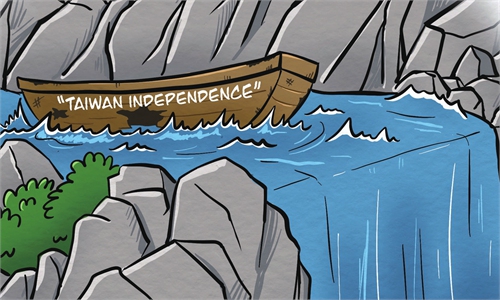
On Thursday morning, Chinese President Xi Jinping held talks with US President Donald Trump at the Great Hall of the People in Beijing. Regarding the Taiwan question, the message conveyed by the Chinese side was both clear and crucial: The Taiwan question is the most important issue in China-US relations. If it is handled properly, the bilateral relationship will enjoy overall stability. Otherwise, the two countries will have clashes and even conflicts, putting the entire relationship in great jeopardy. More importantly, the Chinese side further emphasized that "Taiwan independence" and cross-Straits peace are as irreconcilable as fire and water. According to the Chinese side, safeguarding peace and stability across the Taiwan Straits is the biggest common denominator between China and the US, and the US side must exercise extra caution in handling the Taiwan question.This statement essentially highlights the most fundamental and core logic of reality underlying current relations between China and the US: The issue regarding the Taiwan Straits is not just another ordinary topic in China-US relations, but a key variable that determines whether the foundation of the ties can be stabilized. Many issues can be discussed, negotiated, and gradually resolved through economic and trade consultations, diplomatic communication, and institutional arrangements, but the Taiwan question is different. It directly involves China's core interests, national sovereignty, and territorial integrity, leaving no room for ambiguity or compromise.
Only when the Taiwan Straits are stable can China-US relations be stable. "Safeguarding peace and stability across the Taiwan Straits" shouldn't be a mere statement, nor should it be maliciously misrepresented. True peace and stability in the Straits have never been predicated on condoning "Taiwan independence" separatist provocations under the guise of "maintaining the status quo," nor on paying lip service to peace while effectively eroding the one-China principle. Rather, they must be built on a foundation of unequivocal opposition to secession, provocation, and interference. Discussing "peace" without this foundation will ultimately only lead to mounting risks.
China's assertion that "safeguarding peace and stability across the Taiwan Straits is the biggest common denominator between China and the US" carries significant weight and reflects a clear stance: As long as neither side wishes to see the conflict spiral out of control, a crisis erupt in the Taiwan Straits, or China-US relations deteriorate across the board as a result, the most fundamental, realistic, and essential bottom line that must be upheld is the joint elimination of factors that undermine stability in the Taiwan Straits. Ultimately, these dangerous factors boil down to the separatist actions of "Taiwan independence" forces and the misguided indulgence of external powers.
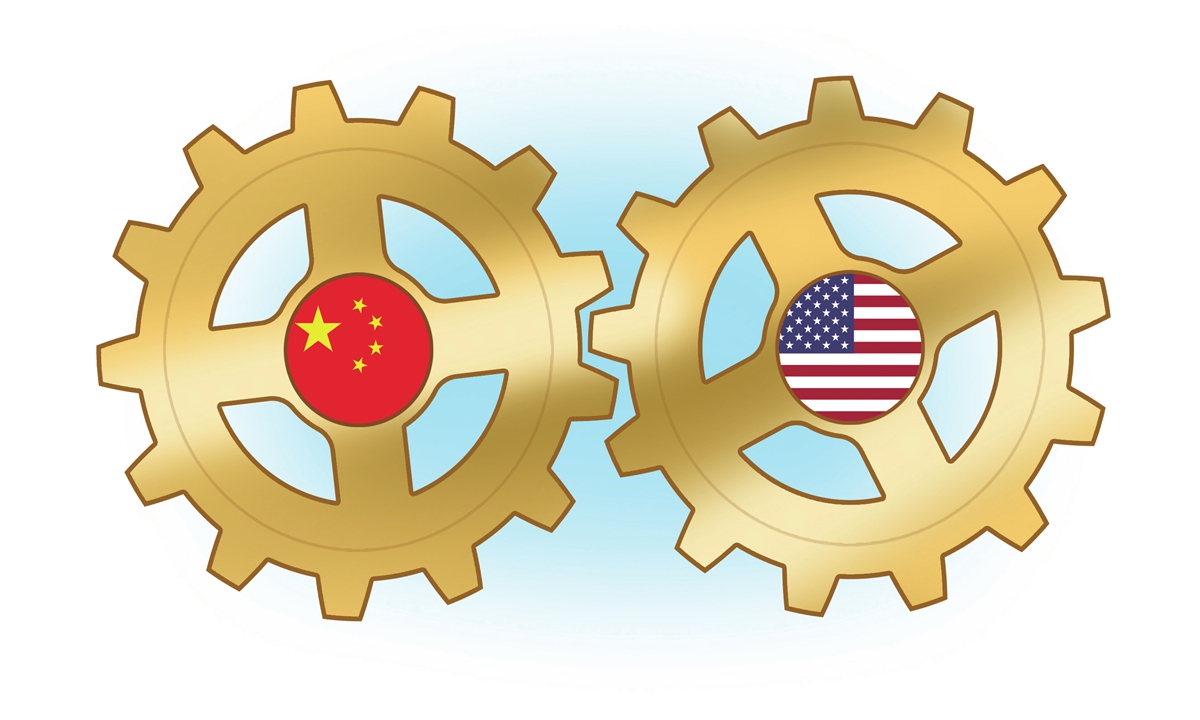
For the US, if it truly wishes to maintain overall stability in China-US relations, it must fully recognize the sensitivity and importance of the Taiwan question. If that question is handled well, China-US relations can remain generally stable even amid competition and friction; if it is mishandled, however, any cooperative achievements in other areas may be swiftly nullified. In other words, the issue regarding the Taiwan Straits is not a "side issue" in China-US relations, but a "core issue" that determines the overall trajectory of the relationship.
From a broader perspective, stability in the Taiwan Straits concerns not only China and the US, but also the security landscape of the entire Asia-Pacific region and the global strategic order. What the international community fears most today is not the existence of differences between China and the US, but that these differences over the Taiwan question could spiral out of control, pushing the Taiwan Straits to the brink of danger. Therefore, by making its position crystal clear on this occasion, China is precisely drawing a red line for its relations with the US, establishing principles for the situation in the Taiwan Straits, and sending a clear and unambiguous signal to the international community.
Any rational strategic decision-maker should understand that only by safeguarding peace and stability across the Taiwan Straits can the foundation of China-US relations be preserved and world peace and tranquility upheld.
RELATED ARTICLES