ARTS / CULTURE & LEISURE
Shijiahe Site Museum to showcase prehistoric civilization in middle reaches of Yangtze River
By Published: May 17, 2026 10:47 PM

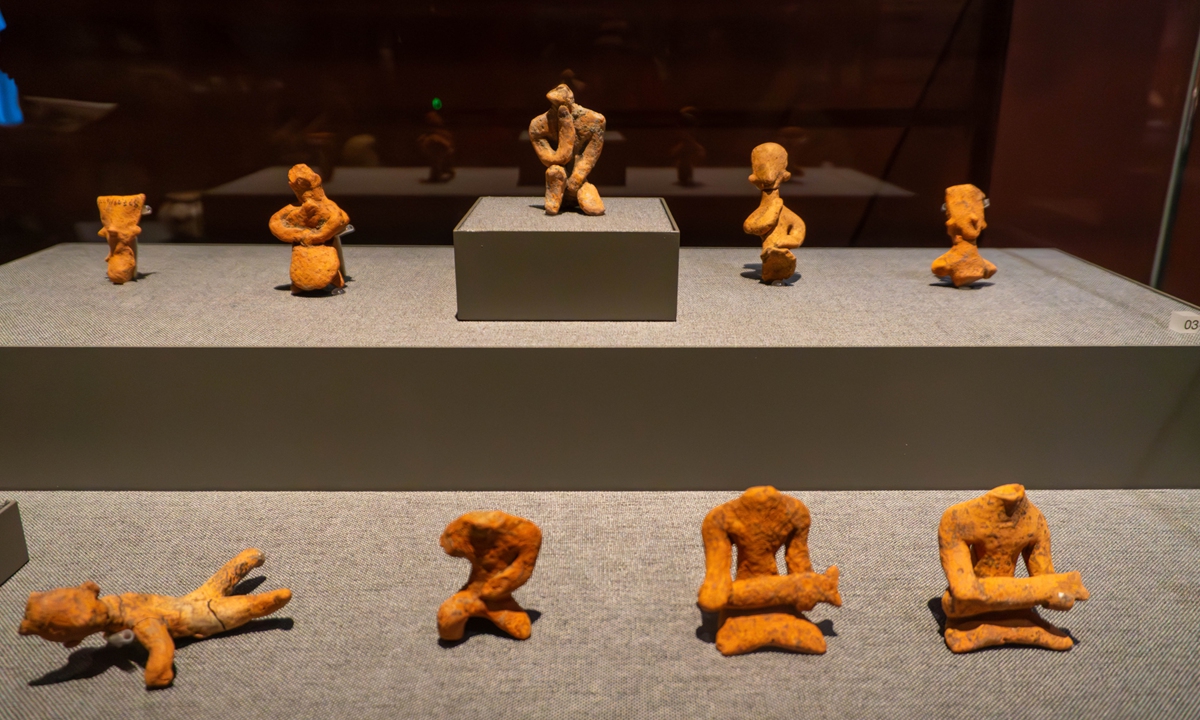
Relics from Shijiahe Site Photo: VCG
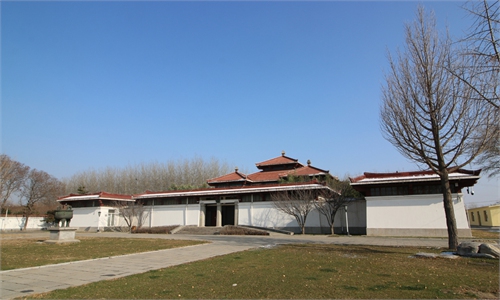
The Shijiahe Site Museum in Central China's Hubei Province is set to open to the public on Tuesday, offering a major window into the prehistoric civilization that existed along the middle reaches of the Yangtze River and findings from China's national project to trace the origins of its civilization, officials from the museum told the Global Times on Sunday.Situated in north Shijiahe town in the city of Tianmen, Hubei Province, the Shijiahe site covers roughly eight square kilometers and spans a period from around 6,000 to 4,000 years ago. It is the largest, highest-ranking and best-preserved Neolithic city settlement discovered to date in the middle reaches of the Yangtze River, and serves as important evidence of China's 5,000-year civilization, China News reported.
"The Shijiahe site and the Shijiahe culture named after it are the source of Chu culture and represent the highest level of prehistoric cultural development in the middle reaches of the Yangtze River. They hold an extremely important position in the origins and evolution of the Chinese nation," curator Deng Qianwu told the Global Times.
Asked why the site was turned into a museum, Deng said the vast quantity and exceptional value of the excavated artifacts demanded dedicated professional conservation.
He added that as the center of civilization in the middle reaches of the Yangtze River, Shijiahe needed to present the achievements of Chinese civilization to the nation. The museum, he said, also plays a role in the popularization of archaeological science, educational study programs and cultural communication.
In addition, provincial regulations on the protection of the Shijiahe site, issued by the Standing Committee of the Hubei Provincial People's Congress, explicitly mandates the construction of a site museum to carry out the legal duties of relic collection, display and protection. The museum forms the core of the Shijiahe National Archaeological Site Park.
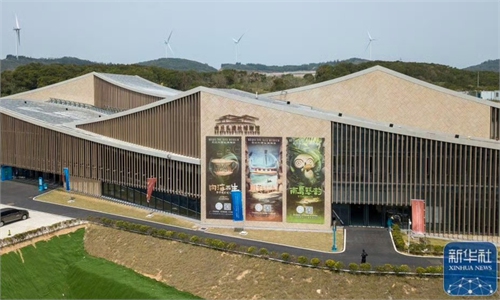
Construction of the museum started in July 2024. Occupying a total plot of 46,000 square meters with a floor area of 11,500 square meters, the building incorporates Shijiahe cultural motifs, including a "jade phoenix" design in the central hall and an outer-square-and-inner-circle layout that underscores its status as an ancient regional capital, according to a press release issued by the museum.
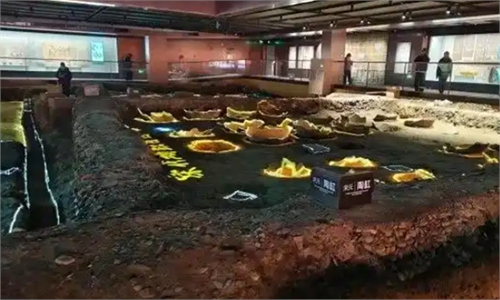
Inside, a mix of modern technology and unearthed artifacts will be used at the six exhibition halls to present the site's archaeological achievements and cultural significance.
A featured exhibition titled Light of the Yangtze, Source of Civilization will showcase treasures such as jade deity heads, a linked double-figure jade jue (slit ring), jade tigers and jade cicadas, offering a full panorama of the prehistoric city's civilization and research results.
An on-site performance center will stage original live shows depicting ancient daily life, sacrificial rites and phoenix totem worship, blending restored settings with digital technology to create immersive cultural tourism.
The site park will also offer hands-on educational activities including pottery making and simulated archaeological digs, targeting young visitors and tourists.
To boost access, Tianmen has rolled out a package of tourism incentives. With a museum admission ticket, visitors can obtain discounts or complimentary gifts at local A-level scenic spots, restaurants, hotels and several specialty stores across the city, creating a single-ticket benefit program, according to the press release.
Deng said the museum's opening will further support the construction of the Shijiahe National Archaeological Site Park, enrich museum-based study programs and cultural tourism experiences, and help promote the high-quality, integrated development of culture and tourism in Tianmen while continuing to strengthen the Shijiahe cultural brand.
RELATED ARTICLES