From ‘world supermarket’ to global partner hub, Yiwu makes foreign entrepreneurs’ dreams into reality
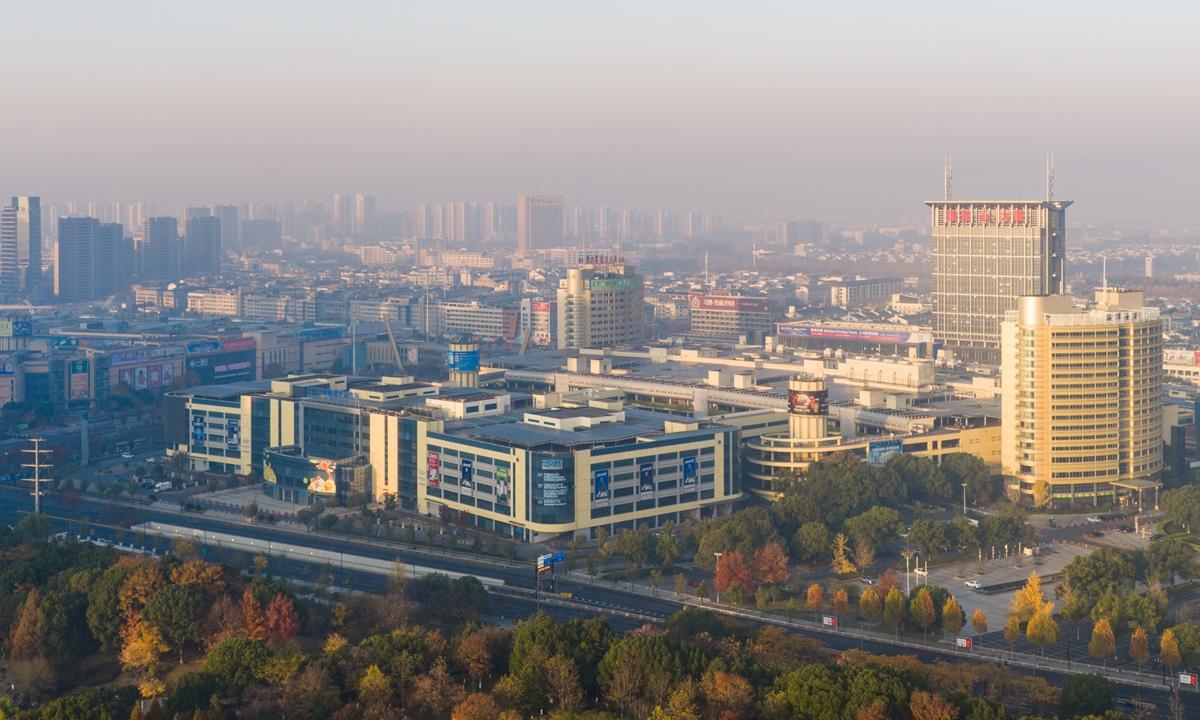
A view of the Yiwu International Trade Market in Yiwu, Jinhua, East China’s Zhejiang Province, on December 7, 2025 Photo: VCG
The city of Yiwu in East China’s Zhejiang Province is an inland city with neither a coastline nor a border crossing, yet its trade networks now extend across the globe.
With more than 10,000 foreign-invested business entities and 38,000 resident foreign merchants Yiwu’s imports and exports reached a record of 209.37 billion yuan ($29 billion) in the first quarter of this year – the highest ever for the period.
A dazzling array of products has long been Yiwu’s most recognizable hallmark; however, a closer look reveals what makes foreign merchants “come and never want to leave” goes far beyond simply “having everything.”
Turning impossible into reality
“Without Yiwu, there would be no me today,” Senegalese businessman Sourakhata Tirera often says. In 2003, Tirera came to Yiwu to purchase hardware products. Stepping into the International Trade Market for the first time, he was deeply impressed. “There’s nothing you can’t buy here — only things I haven’t found yet,” he recalled.
From 2003 to 2007, Tirera flew from Dakar, the capital of Senegal, to Yiwu every 45 days, staying for about two weeks each trip and shipping back two or three containers of goods each time. While today, his company sends out 200 to 300 containers every month, with its business expanding to more than 1,000 categories and offering one-stop sourcing services for clients across multiple African countries.
Reporters met Tirera after he had just finished receiving a trade delegation from Gabon. He described Yiwu as a place “that changes every day,” speaking highly of the city’s openness and inclusiveness for providing entrepreneurs with “a stage to pursue their dreams.”
A spirit of daring, resilience, and entrepreneurship is deeply embedded in Yiwu’s character.
“All foreign merchants who built businesses in Yiwu have gone through ups and downs. We’ve tasted success and faced setbacks,” Soula said. “But both the city and its merchants have always carried the courage to embrace change and confront challenges head-on. Growing together with Yiwu has been the proudest choice of my life.”
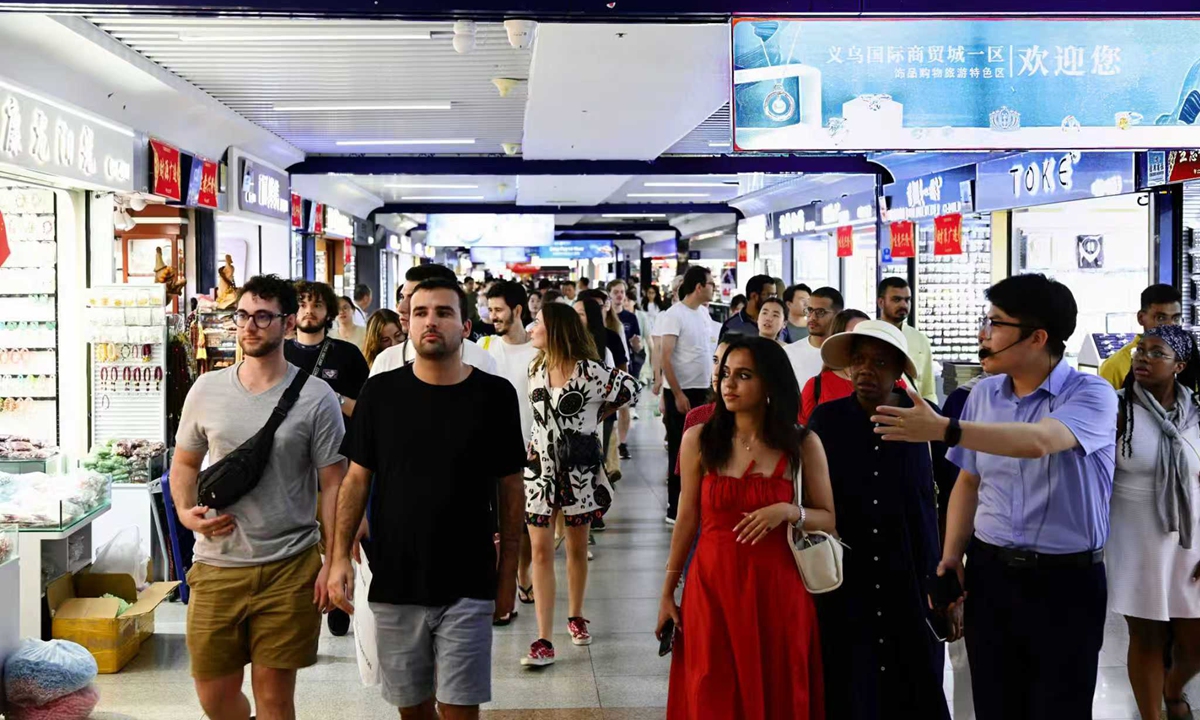
Overseas visitors tour the Yiwu International Trade Market in Yiwu, East China’s Zhejiang Province. Photo: Courtesy of Yiwu publicity authorities
Yemeni trader Maged Mohammed Ali Al-Huraibi has always regarded Yiwu as an ideal testing ground for entrepreneurship.
In 2008, he arrived in Yiwu set up a cosmetics trading company that sources makeup and skincare products for export to the Middle East.
“A friend once told me that if you have dreams and goals, Yiwu can make them happen. He was right,” Maged said, adding that his foreign trade business soon got on track and steadily expanded.
“Yiwu fulfilled my entrepreneurial dream. Now I hope to bring Yiwu-made beauty products to even more countries and regions around the world,” Maged said.
The Yiwu spirit — “hardworking, eager to learn, upright, courageous, honest and inclusive” — continues to inspire entrepreneurs from around the world to pursue their dreams. What foreign merchants gain here is not only business success, but also a sense of confidence in hard work and the future.
Making what the market demands
If “having everything” is Yiwu’s first calling card for attracting foreign merchants, then its ability to “create something out of nothing” is the deeper reason many choose to stay.
Nepali trader Khadka Raj Kumar came to Yiwu for the first time in 2002 after learning that products here were affordable. He made a special trip to explore the market, and over the following decade, frequently traveled between Yiwu and Nepal to run his foreign trade business.
“This is a city that genuinely welcomes foreigners,” Kumar said. According to him, Yiwu has always respected differences and embraced diversity, offering fair development opportunities to businesses from different countries and of different sizes. Today, his clients span South Asia, South America and Europe.
In June 2025, Yiwu became the first Chinese city to introduce standards for identifying “foreign business talents,” evaluating applicants based on practical contributions such as years of work experience, job creation and trade volume.
“I submitted my application right away, and it was approved very quickly,” Kumar said. He noted that Category B talent status provides greater convenience in areas such as visas, which give him more confidence in pursuing long-term development in Yiwu.
With 38,000 foreign merchants from more than 100 countries and regions, Yiwu has brought its pragmatic and efficient market-oriented mindset to social governance, shifting its focus from simply “managing foreigners” to cultivating “global partners.”
Turning ideas into reality
As Yiwu’s sixth-generation market, the Global Digital Trade Center marks the city’s transition from a traditional trade model toward a digital trade ecosystem. Increasing numbers of foreign merchants are joining emerging industries and new business formats, helping drive the transformation from “Made in Yiwu” to “Created in Yiwu.”
Pakistani businessman Sheikh Jamil, who has been doing business in Yiwu for 21 years, has witnessed these changes firsthand.
“In the past, doing foreign trade meant traveling constantly to exhibitions, meeting clients and negotiating orders. I spent most of the year on airplanes,” Jamil said. “Now more and more business can be done online.”
To expand his market, Jimmy built a dedicated team to produce short product videos and promote them overseas through websites and social media platforms. With the help of artificial intelligence (AI), he can also quickly generate product strategies tailored to different markets.
“AI can tell you what styles are trending in New York or what designs consumers in Los Angeles prefer,” he said.
Upgraded cross-border payment systems have also made global trade smoother. Today, most of Jimmy’s cross-border settlements are completed through “YiwuPay,” a payment platform launched by Yiwu China Commodities City.
It works much like Alipay, overseas clients pay locally, and in the fastest cases, the funds arrive the next day, Jimmy said. Compared with traditional bank transfers, YiwuPay not only lowers transaction fees but also supports direct settlement in yuan, allowing suppliers to be paid immediately.
The cloud-based transformation of international trade and the intelligent upgrading of logistics and customs clearance have driven a growing number of remote foreign trade orders. “Now I can do global business while sitting in my office,” Jimmy said.
A decade ago, Hasan Mohammed, a trader from Yemen, entered Yiwu’s cosmetics market as a distributor. Later, as the city fostered a growing atmosphere for original brands, he became determined to build a brand of his own and “truly take control of the market.”
In 2018, he registered a cosmetics brand in Saudi Arabia and in the following years expanded trademark registration to China and members of the global Madrid trademark system, taking a major step from trader to brand operator.
The model of “Saudi registration, Chinese manufacturing and global sales” has enabled Mohammed’s products to remain high-quality while staying highly competitive in the market.
“Yiwu is more like a complete ecosystem that can rapidly turn ideas into tangible results,” Mohammed said. “The city not only offers opportunities, but also creates room for sustained growth.”
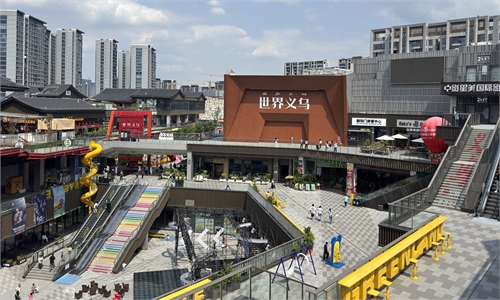
By daring to innovate, embracing changes, and building on its strengths, the city is joining hands with dream seekers from around the globe to turn more “impossible” things into reality, further polish the gold-lettered signboard of the world supermarket, and allow “Yiwu creation” to benefit more people worldwide.
“If you have a dream, come to Yiwu.” Foreign merchants from different countries all say this with the same sense of certainty. In their eyes, Yiwu’s defining spirit lies in its ability to “turn the impossible into possible.” That spirit has drawn dream seekers of different backgrounds to this city, where they are joining hands with Yiwu on a path toward high-quality development.
Older generations in Yiwu still remember when the city’s first-generation market consisted of little more than simple roadside tin sheds, where deals were made by shouting and information spread by word of mouth.
Today, stepping into the sixth-generation market — the Global Digital Trade Center — feels like entering a vast digital trade ecosystem. Large screens display real-time overseas warehouse operations, while merchants livestream, shoot videos and conduct business worldwide through ultra-high-speed internet connections. “In Yiwu, it feels like something new appears every day.” During several days of reporting in the city, this was the phrase the reporter heard most often.
Yiwu has never relied on natural advantages, but on human ingenuity. When it lacked resources, it created them; when it lacked advantages, it built them.
From “buying nationwide and selling nationwide,” to “buying globally and selling globally,” and now to “connecting and empowering the world,” Yiwu has consistently embraced the world with ever greater openness.
Foreign merchants in Yiwu today are no longer merely “carriers” of Yiwu-made products, they have become learners and promoters of China’s development experience. Their changing roles reflect the city’s deeper transformation from “selling products” to “selling capabilities.”
What foreign merchants feel here is not only the convenience of doing business, but also a genuine sense of belonging — that “once you arrive, you are one of us.” Yiwu has incorporated foreign merchants into its urban governance system, enabling them to move from merely “living here,” to truly “fitting in,” and eventually to “never wanting to leave.” Many have come to regard the city as their hometown.
From the rattling drums of the old “chicken feathers for sugar” barter trade to the globally connected “world supermarket” of today, Yiwu has brought the world not only products, but also lessons in pioneering spirit and keeping pace with the times, along with an enduring drive for innovation and development that continues to exceed expectations.
This was compiled and translated by the Global Times based on an article originally published on page 17 of the People's Daily on May 18, 2026.
RELATED ARTICLES