Illustration: Xia Qing/GT
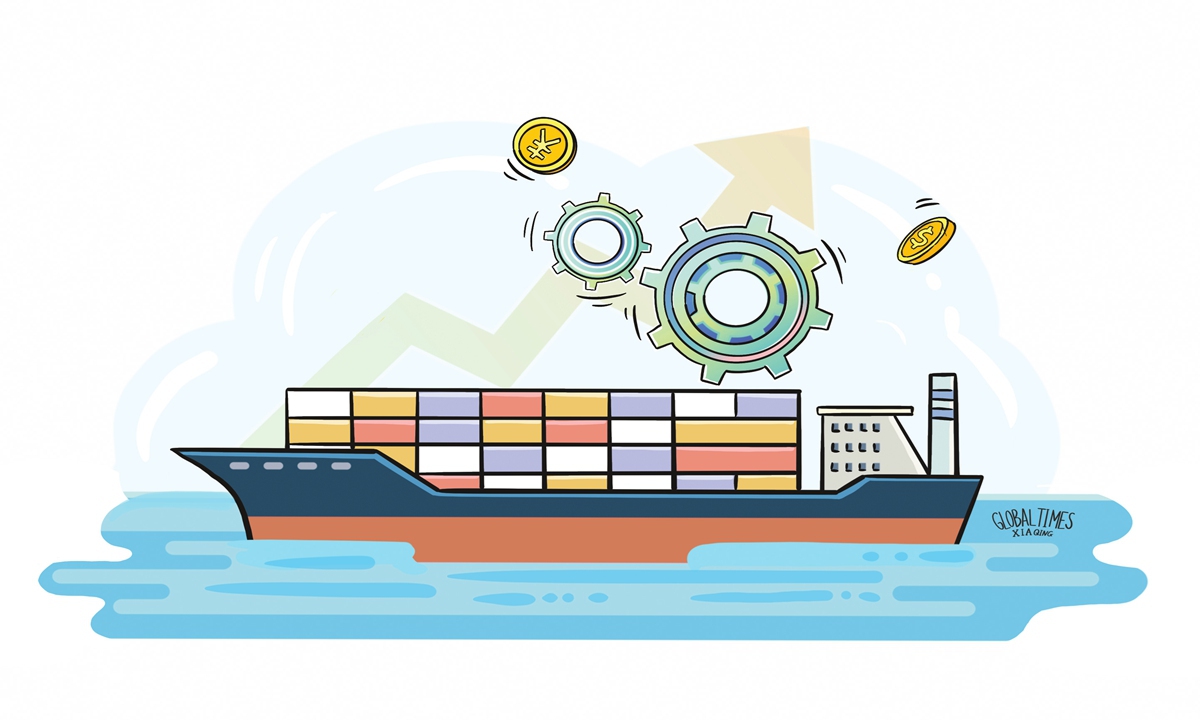
South Korea's exports surged 53.2 percent year-on-year to a new monthly high of $87.8 billion in May, the Yonhap News Agency reported on Monday, citing data from the country's Ministry of Trade, Industry and Resources. By destination, exports to China rose 80.9 percent year-on-year to $18.9 billion in May, far outpacing the country's overall export growth rate.These figures reflect the mutually beneficial industrial cooperation between China and South Korea and the enormous market dividends unleashed by China's sustained opening-up. They send a clear message to the world that China's market potential continues to grow, and economies that embrace Chinese opportunities and deepen practical cooperation with China are reaping tangible economic rewards.
At a time when global trade is navigating complexity and protectionist undercurrents are running strong, South Korea's remarkable export growth to China speaks volumes about the strength, resilience and inclusiveness of the Chinese market. It also serves as a timely reminder for some in South Korea and other parts of the world, who are reportedly concerned about China's rapidly advancing industries, that China's sound development brings opportunities, not so-called "threat," and that cooperation, rather than protectionism, remains the wiser path forward.
On the one hand, South Korea has continued investing in high-tech industries - semiconductors, display panels, fine chemicals, auto parts and other advanced sectors - building up solid technological advantages and core competitiveness. These high-value‑added products fit precisely with China's ongoing industrial upgrading and rising consumer demand for quality goods.
On the other hand, South Korean companies have taken a long-term, deep-rooted approach to the Chinese market. They have established many production bases and research and development centers in China, embedding themselves deeply into China's industrial and supply chains.
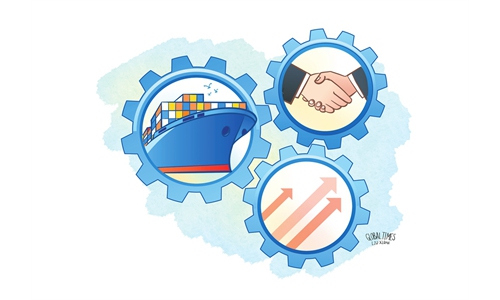
In this context, the deep, mutually beneficial integration of the two countries' industrial chains is delivering ever‑greater dividends. South Korean firms import raw materials and intermediate goods from China, process them into high‑end products, and sell them back to China as well as to global markets - a process that also helps Chinese companies upgrade their own technological capabilities and supporting industries.
This cooperation is increasingly two-way, thanks to the rapid upgrading of China's manufacturing sector. According to the Korea Automobile Importers & Distributors Association, Chinese‑made cars ranked third in April among newly registered imported vehicles in South Korea, surpassing Japanese cars for the first time. The progress of China's vehicle industry is now being recognized by South Korean consumers, further proof that the industrial exchange between the two countries is genuinely two-way and mutually beneficial.
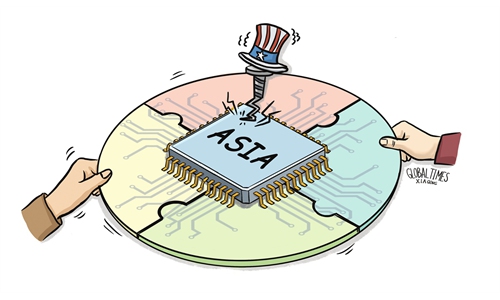
By comparison, the trade approaches of some Western countries tell a different story. While they complain about trade deficits with China and so-called "unfair competition," they impose restrictions on their most competitive export products, invoking "national security" to keep their high-tech goods out of the Chinese market. They lament market imbalances that they have largely created. The problem was never that China did not want to buy. The problem was that these countries chose not to sell what China actually needs.
China's market potential remains enormous. The consumption upgrade of more than 1.4 billion people, the digital transformation of its manufacturing sector, and the vast demand generated by green and low‑carbon development are all creating unprecedented space for high‑quality products from around the world. China has been continuously widening its opening‑up, lowering tariffs and improving the business environment, providing a stable and predictable market environment for companies from all nations.
From the annual hosting of the China International Import Expo to the steady reduction of the negative list for foreign investment, China has taken concrete actions to expand imports, lower thresholds and offer equal opportunities. South Korea's robust export growth to China is proof that any country that can deliver quality products and services has the chance to reap development dividends in the Chinese market.
The trading partners that have thrived in China have all done the same thing right: advancing technological innovation, embracing market openness and deepening pragmatic cooperation. This is exactly how South Korea and many countries have sustained export growth and industrial progress. As for some Western countries mired in trade anxiety, instead of exhausting themselves in a game of complaints, they need to look at what works now.
RELATED ARTICLES