ARTS / CULTURE & LEISURE
Revised novel weaves snippets of Long March into an epic story
By Published: Jun 07, 2026 08:51 PM
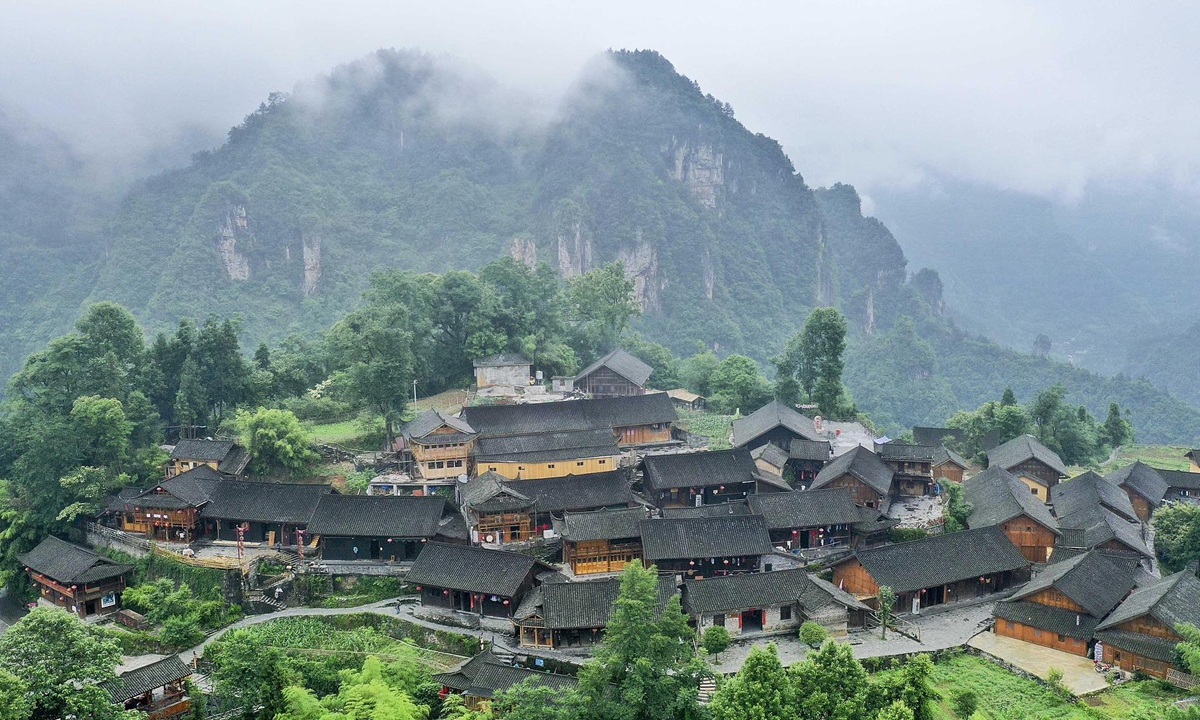
An aerial view of Tujia bulidings in Central China's Hunan Province Photo: VCG
To commemorate the 90th anniversary of the victory of the Long March, acclaimed Chinese author Peng Xueming recently released an expanded edition of his novel Father.Rooted in the land and folkways of western Hunan Province in Central China, the updated work shines a spotlight on the "Transfer in Tongdao", a lesser-known but game-changing strategic shift during the Long March, blending grand historical narratives with intimate personal stories to craft a profound saga of patriotism and resilience.
The newly revised Father, spanning nearly 730,000 Chinese characters, centers on a son's decades-long spiritual quest to understand his father. Separated from his parents at a young age, the narrator harbors resentment for a long time, believing his father had abandoned him.
His misunderstanding fades after he discovers from the family tree that his father was a decorated veteran who fought in pivotal wars including the War of Resistance against Japanese Aggression (1931-45) and the War to Resist US Aggression and Aid Korea (1950-53), according to the China News.
As he gradually uncovers his father's rugged life experiences and noble, multi-faceted humanity, the narrator achieves a long-awaited emotional reconciliation with his father and himself. He gains a brand-new understanding of paternal love and the older generation's perseverance, while delivering profound spiritual reflections on western Hunan Province and the Chinese nation.
"They [the older generations] deserve to be seen. Their world, their lives, their quiet greatness, that is what I set out to write in the book," Peng told the Global Times in an exclusive interview.
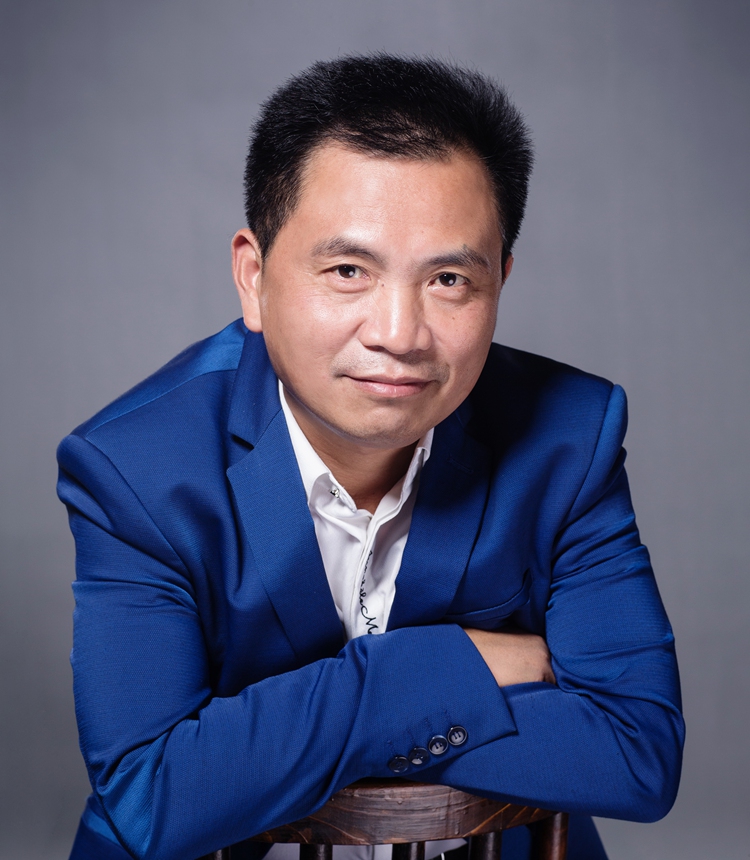
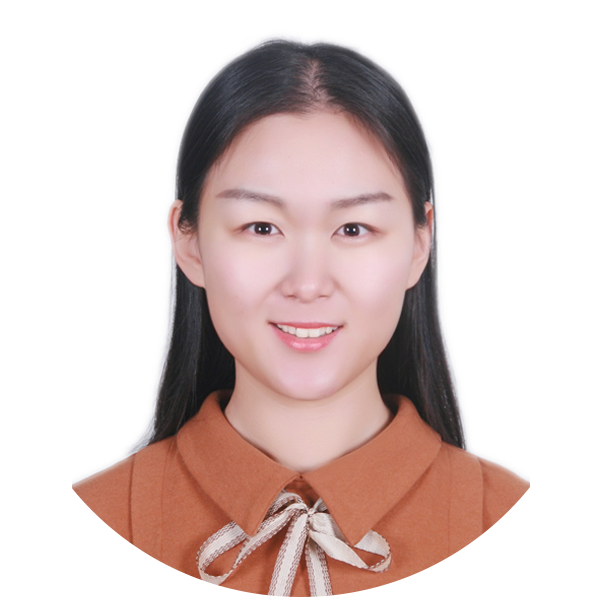
Chinese author Peng Xueming Photo: Courtesy of The Writers Publishing House
Historical turning pointThe core motivation for the revised edition, Peng said, was to fill a historical gap in the original work and illuminate the profound significance of a crucial historical juncture through literature.
"While the 'Transfer in Tongdao' is widely acknowledged by historians and military researchers as a landmark moment in the Long March, it has remained unfamiliar to the general public," he said.
The added storyline is set in December 1934, when the Central Red Army marched through Tongdao, an autonomous county of the Dong people in Hunan Province. The event marked the start of the Long March's most pivotal transformation.
The main leaders of the Communist Party of China held an emergency meeting at Gongcheng Academy to discuss the direction of the Red Army. Instead of marching farther into Hunan, the force changed direction and headed toward Guizhou, where the enemy's defenses were expected to be weak. The strategic transfer that had saved the lives of over 30,000 Red Army soldiers and the Chinese revolution was called the strategic "Transfer in Tongdao" in the history, according to the Huaihua Municipal People's Government.
It is this profound, yet little-known, history that Peng seeks to bring to a wider audience through Father.
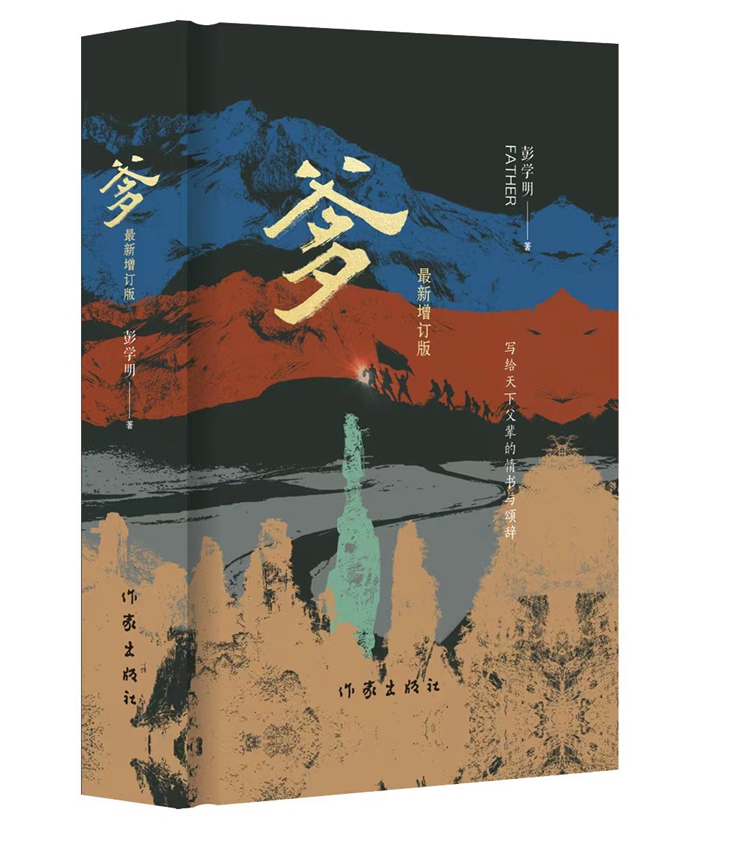
The book Father by Peng Xueming Photo: Courtesy of The Writers Publishing House
Balancing fact and fiction
Crafting historical fiction requires a delicate balance between rigid facts and artistic imagination, a principle Peng has strictly upheld throughout his writing. He emphasized that major historical backdrops, key battles and core storylines can never be altered. "This is a red line for any writer tackling history."
When carrying out research for Father, Peng pored over mountains of archival materials to verify details ranging from military unit designations to battle timelines.
The novel also features real episodes such as aid missions by the US Flying Tigers and Soviet volunteer airmen during the War of Resistance against Japanese Aggression, all faithfully grounded in verified history books.
Creative freedom, however, applies to individual characters and minor plot details. According to Peng, many gripping storylines in the book are adapted from real-life anecdotes but artistically reimagined.
Beyond history, the novel vividly portrays the spirit of people in western Hunan. Generations of locals embodied strong devotion to their country, a willingness to sacrifice and innate kindness. Peng wove local landscapes and age-old customs into the narrative, including the ritual of smashing alcohol bowls before soldiers set off for war and leaving straw markers along roads to guide travelers home.
The novel's detailed portrayal of western Hunan turned its landscapes into viral tourist spots. Some readers even believed the fictional locations were real places they could visit. This level of immersion, Peng says, comes from a simple truth: "Truly talented writers can turn fiction into something utterly authentic, while mediocre writers make real life feel unconvincing."
Hailed by readers as China's equivalent of And Quiet Flows the Don, the novel has earned high praise. Peng recalled that the original edition that was published in 2023 was a runaway success, selling over 110,000 copies within a year. But he remains modest, noting that a work's true value can only be judged by time and generations of readers.
Peng also voiced concerns over today's fast-paced literary landscape, where "fast-food style" writing and reading prevail.
To young aspiring writers, he stressed that solid life experience, broad knowledge and in-depth historical understanding are irreplaceable foundations. Without such accumulation, writing will always feel forced and hollow.
"Writing requires deep reserves of life, knowledge, and history," he said. "Only when you internalize these experiences can your writing flow naturally. A good work, no matter how many words, will find its readers."
RELATED ARTICLES