Multiple foreign financial institutions upbeat on China’s new financial opening-up measures at Lujiazui Forum, eyeing continued capital inflows
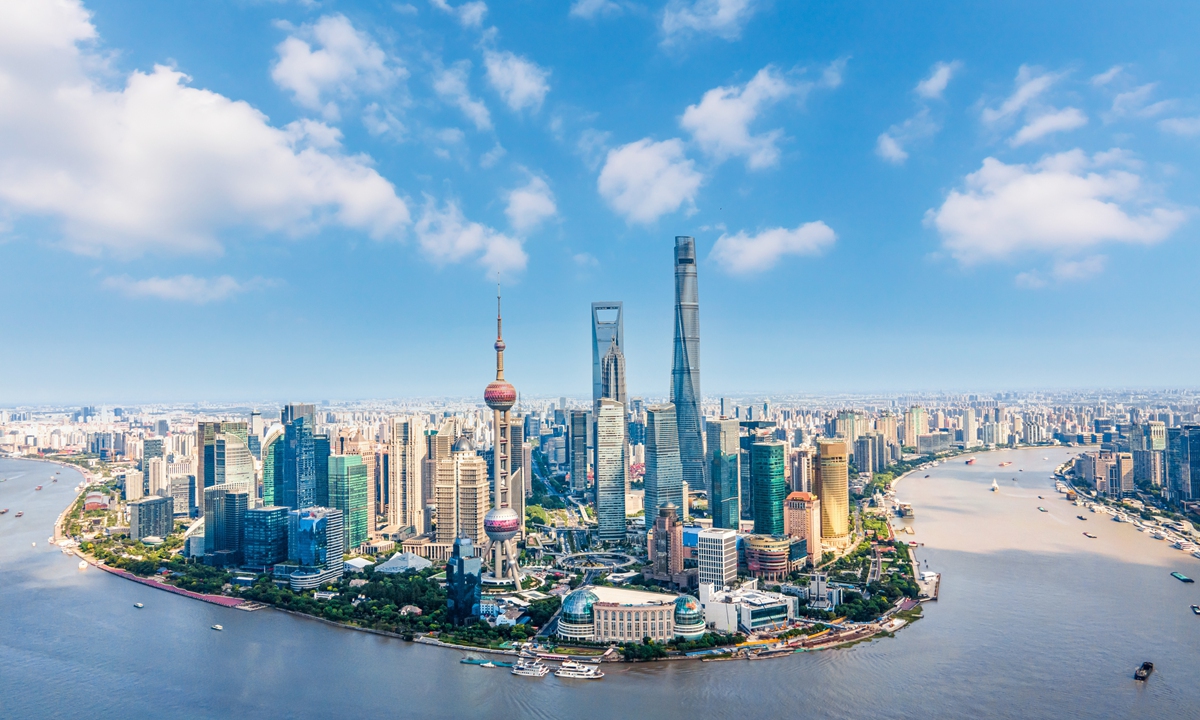
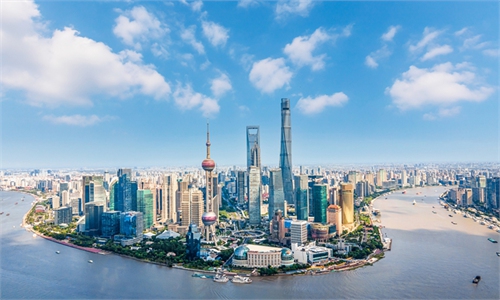
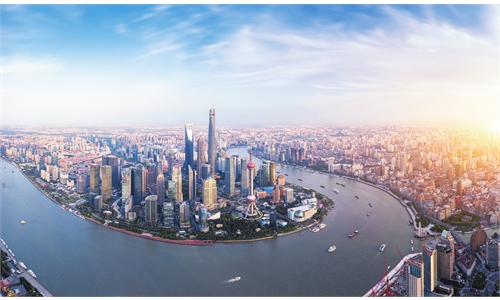
A view of the Lujiazui area in Shanghai Photo: VCG
Multiple foreign financial institutions spoke highly of China's latest financial opening-up measures announced at the 2026 Lujiazui Forum in Shanghai, eyeing continued inflows of foreign capital into Chinese assets driven by favorable policies and their strategic value as the core of Asian growth.
China unveiled an extensive array of financial opening-up policies at the Lujiazui forum on Wednesday, encompassing a comprehensive offshore finance action plan, offshore renminbi foreign exchange trading pilots, a new repo facility and a set of incremental foreign exchange liberalization policies.
As the world's second-largest economy with a major capital market featuring large scale, depth, and strong liquidity, China continues to hold considerable appeal for overseas investors, Fang Dongming, head of China Global Markets at UBS, told the Global Times. He noted that global investors are placing increasing emphasis on portfolio diversification, and their focus on the Chinese market is shifting gradually from short-term trading opportunities to a balanced approach of both trading and allocation-driven investment strategies.
He said that he believes these new measures will further enhance the convenience of investing in Chinese assets and provide risk management tools highly valued by foreign investors, thereby strengthening their confidence and improving their participation in the Chinese market.
At the forum, an action plan to develop offshore finance to bolster Shanghai's global financial hub status was released. The blueprint prioritizes initial offshore business pilots covering offshore trade finance, free trade zone offshore bonds, offshore reinsurance and offshore renminbi forex trading, and will expand eligible services gradually based on pilot outcomes, according to the document released on the website of the Shanghai municipal government on Wednesday.
Free-trade offshore bonds mark a key area for piloting offshore finance and promoting the high-level financial opening-up. On Wednesday, the centralized intent-signing ceremony for Shanghai Pilot Free Trade Zone (FTZ) offshore bonds was held in Shanghai. Multiple Chinese commercial banks and securities firms respectively signed agreements, with prospective issuers of FTZ offshore bonds including overseas subsidiaries of Chinese enterprises, overseas branches of financial institutions, and high-quality enterprises from Belt and Road partner countries.
On the sidelines of the 2026 Lujiazui Forum, Mark Wang, President and Chief Executive Officer, HSBC Bank (China) Company Limited, said that as an international financial center, Shanghai has its unique strengths in financial infrastructure, international connectivity, business environment and industrial innovation.
"We expect its continued policy breakthroughs and opening-up will help attract more international institutions to invest here, enable more Chinese companies to expand their global footprints, and facilitate further use of the yuan in cross-border trade and investments," he said.
High-level financial opening-up requires both innovation and coordination. Shanghai serves as the onshore financial hub supporting high-quality development of the Chinese mainland, while Hong Kong Special Administrative Region (HKSAR) is an offshore international platform connecting China with the rest of the world - the two enjoy distinct yet highly complementary strengths, Mary Huen Wai Yi, executive director for Hong Kong of Standard Chartered Bank (Hong Kong) Ltd, said during the forum.
As Shanghai-HKSAR financial linkages continue to deepen, China's financial opening-up will continue to expand, and the yuan's internationalization will progressively advance toward broader global allocation, Huen said.
"For global long-term capital, the importance of Chinese assets lies not only in returns, but even more so in their strategic value as the core of Asian growth," Huen said.
RELATED ARTICLES