Illustration: Liu Rui/GT
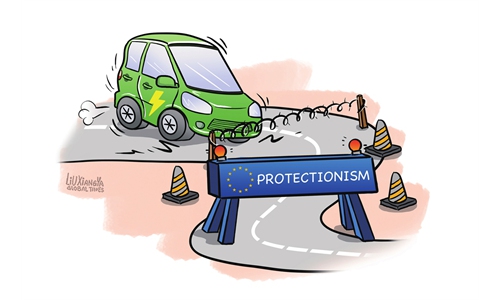
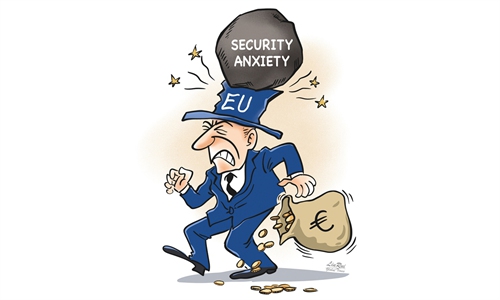
As the EU debates its auto industry's future, some politicians have repeatedly hyped the so-called "China threat" rhetoric to justify protectionist measures. Yet the surge in European electric vehicle (EV) sales could be a reminder that before they talk of industrial danger, European policymakers would do better to pay heed to the real needs of their consumers.The EU's car industry still faces "mortal danger" from Chinese excess production of EVs, Stephane Séjourné, executive vice president and European Commissioner for Industrial Strategy, claimed on Tuesday, according to a report from EUobserver.com.
While such rhetoric is nothing new from certain European politicians, it appears increasingly feeble in the face of the actual market conditions for EVs in Europe. For instance, French automotive data agency AAA Data said in a note that EVs made up 30 percent of car sales in the country in June, a 94 percent increase year-on-year.
Expand the lens to the entire EU, and the picture is even clearer: In April, more than one in five new cars registered in the EU in April 2026 were fully electric, according to the European Automobile Manufacturers' Association (ACEA). Then, in May, the European EV market hit a new high with nearly one in four cars sold being fully electric, according to fi-magazine.com. Data compiled by E-Mobility Europe showed that 212,387 EVs were registered in May, a 34 percent year-over-year increase.
Apparently, more and more European drivers are buying electric cars. And as geopolitical tensions in the Middle East have kept global oil prices elevated, high fossil fuel prices make the shift even more attractive.
There is a stark disconnect at play here. On one side, some EU politicians constantly hype the "shock" from outside to push for tariffs and other barriers. On the other side, ordinary Europeans, already grappling with high inflation and soaring oil prices, need competitively priced, low-running-cost EVs to make the green transition. This gap reveals how far EU industrial policy has strayed from public needs.
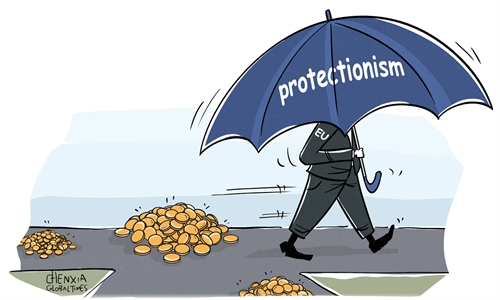
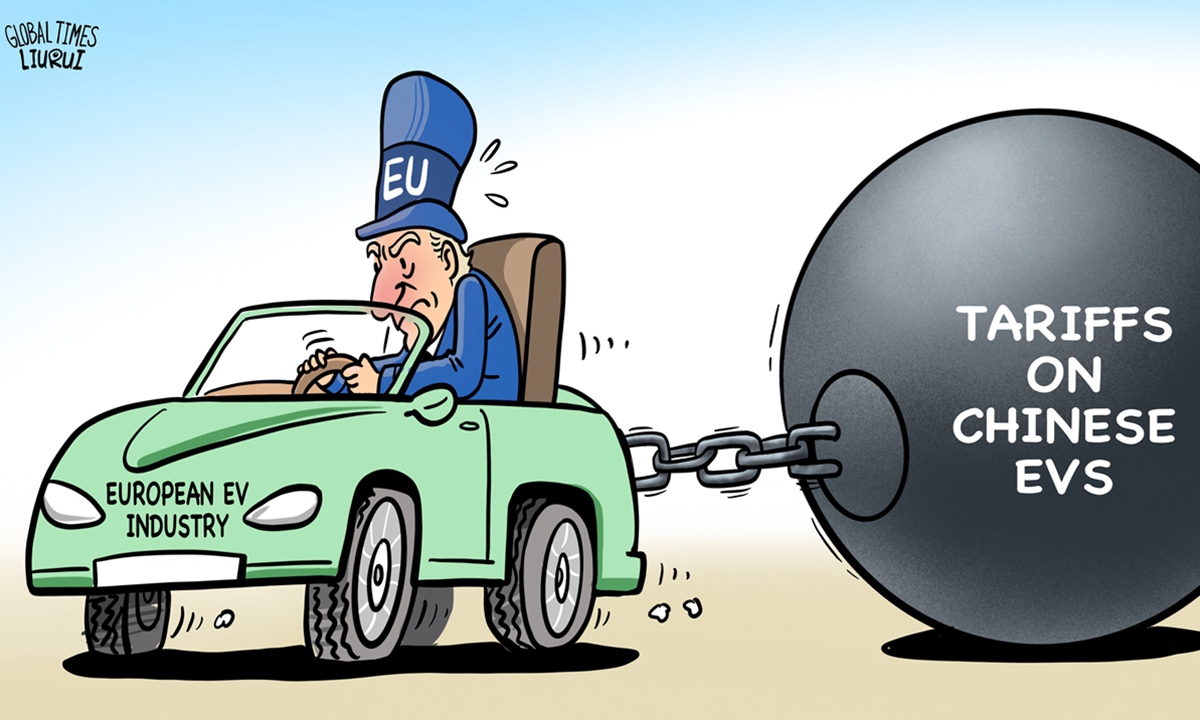
In fact, many European policymakers may still cling to outdated mindsets on traditional industrial competition. They believe erecting barriers to block foreign products can buy local automakers time for transformation and sustain the traditional automotive industry. Yet such outdated industrial strategies are incapable of safeguarding Europe's future industrial competitiveness. Trade protection could drive up EV prices and limit consumer choice, burdening household travel expenditure and slowing the EU's progress toward its established carbon neutrality goals. A closed market will only hinder local EV research and innovation and erode Europe's long-term global competitiveness in the automotive sector. Policies that cater to a few industrial lobbies while ignoring the interests of the general public will not bring real rise in industrial strength.
The long-term path for industrial development lies not in erecting trade walls but in embracing openness and inclusiveness and deepening cross-border industrial cooperation. China and the EU boast highly complementary new energy industries. China has a complete industrial chain for lithium batteries and vehicle manufacturing, as well as mature EV technologies, while the EU excels in high-end spare parts, vehicle design and mature market channels. Their carmakers can completely find a win-win path through deep cooperation and investment. For instance, Stellantis and China's Dongfeng announced in May they plan to form a joint venture in Europe, including potential production in France, Reuters reported. This would address local consumer needs, boost regional industrial chains and generate employment. Such pragmatic cooperation is far more constructive and forward-looking than piling up tariffs - one that genuinely aligns with Europe's green ambitions.
European consumers have made their stance clear through booming sales: they yearn for electric mobility and cost-effective new energy products. The future of the automotive industry hinges on openness, collaboration and innovation, rather than tariff barriers and protectionism. European policymakers would be advised to set aside biases, and truly listen to what the market is saying.
RELATED ARTICLES