US' criticism on China's missile test typical example of double standards and hegemonism, says FM spokesperson
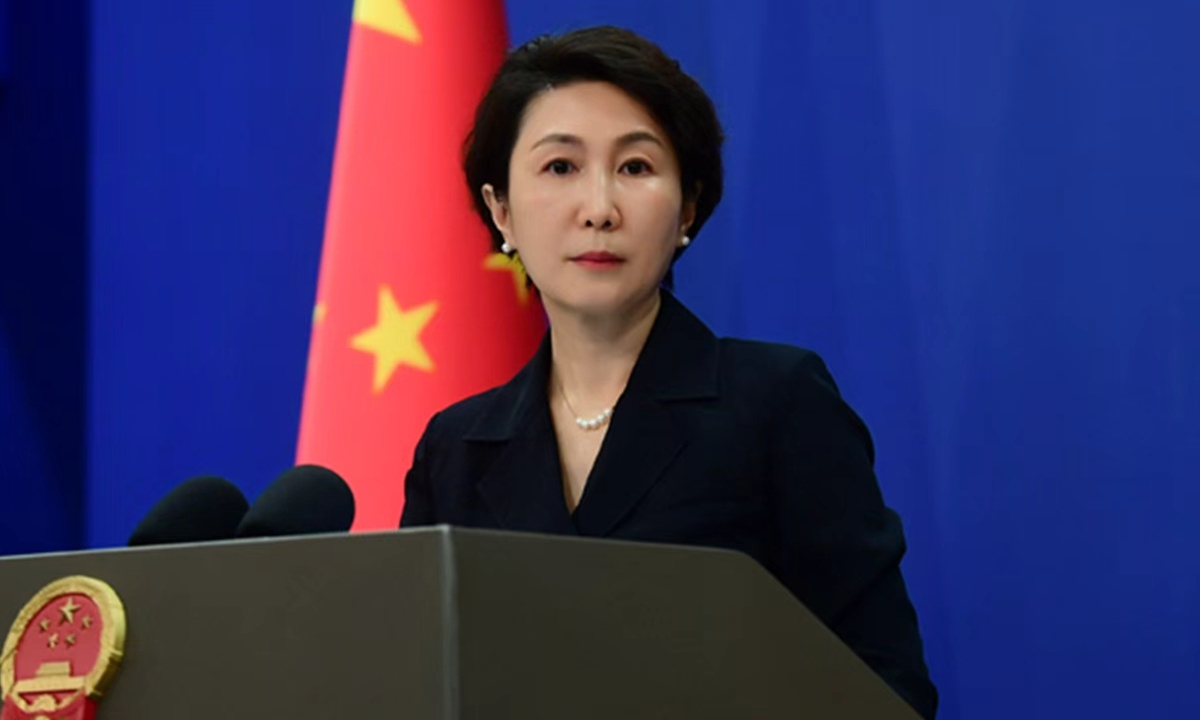
Chinese foreign ministry spokesperson Mao Ning
China called the US' criticism on China's recent missile test a typical example of double standards and hegemonism, urging it to view China's national defense and military development in an objective and rational manner, as the Chinese Foreign Ministry spokesperson said in response to a question related to the latest criticism from US State Department on China's recent missile test.
China has repeatedly emphasized that the missile launch was a routine arrangement of the annual military training program. It was aimed at verifying the reliability, safety, and effectiveness of relevant weapon systems, Mao Ning, the spokesperson said on Thursday when asked about the US State Department claiming that China informed the US too late and failed to provide sufficient detail. The US side also claimed that the information released by China fell considerably short of standards adopted by all other P5 nuclear weapon states.
The activity was in line with international law and international practices, was not directed at any specific country or target, and China promptly released relevant information and provided advance notification to the US and other countries. This demonstrated the openness and transparency of the Chinese military, Mao said.
Mao noted that the US, as the only country in the world that has actually used nuclear weapons and the country with the world's largest and most advanced nuclear arsenal, conducts strategic missile launches from nuclear submarines every year, yet it criticizes and interferes in China's normal missile launch.
"This is a typical example of double standards and hegemonism," she said, noting that the US should view China's national defense and military development in an objective and rational manner and make genuine efforts to safeguard global strategic stability.
RELATED ARTICLES