Passing the torch across 105 years: China's Qinling Station chief spearheads at Antarctic outpost, carries on CPC vanguard spirit
Duty in chilling darkness
Editor's Note:
As the Communist Party of China marks its 105th founding anniversary, the Global Times launches a special series focusing on young Party members who are "honorer," "striver" and "torchbearer" that inherit ideals, shoulder responsibilities and carry forward the spirit of the Party in their own ways, showing how faith continues to pass from generation to generation.
This installment tells the story of "striver" Wang Tao, head of China's Qinling Station in Antarctica as well as a member of the Youth Commando Team at Polar Research Stations, a collective which was awarded the 2026 May Fourth Youth Medal.
Outside China's Qinling Station in Antarctica, the sun has disappeared below the horizon for months. The polar night stretches for 97 days, leaving only darkness, biting winds and the extensive frozen wild. For the 18 members spending the winter at China's newest Antarctic research station, life carries on much like anywhere else - breakfast around 7 am, routine inspections, scientific support and maintenance work, with unexpected equipment failures demanding immediate attention regardless of the hour.
"It has now entered regular operation," Wang told the Global Times. "Most of the station's core functions are complete, and our work today focuses on ensuring its stable daily operation while supporting scientific research."
As the CPC marks its 105th founding anniversary, Wang shared with the Global Times his journey together with the development of the station, showcasing the Antarctica spirit that features patriotism, truth-seeking, innovation and perseverance.
Building a station against the wind
Wang first visited the Qinling Station during China's 39th Antarctic expedition in 2022, when he led the team responsible for constructing the station's underground foundation. "What people see today is the building above the ground," he said. "What our team built first was everything underneath."
Those invisible foundations laid the groundwork for later construction. After returning to China, he continued participating in the station's design and construction before leading follow-up work during the latest expedition, when supporting facilities were completed and Qinling Station officially entered regular operation.
Yet few construction projects face conditions comparable to those in Antarctica.
Among China's five Antarctic stations, Qinling is neither the highest nor the southernmost. But in Wang's eyes, it presents perhaps the most challenging environment. The station experiences strong winds on around 28 days every month, while construction can only take place during the brief Antarctic summer, when weather conditions are relatively favorable.
At one point during construction, weather forecasts predicted winds exceeding Force 12 before the station's outer walls had been fully enclosed. Team members raced against time to install the final wall panels before the storm arrived.
"Normally, three or four people could install one panel," he recalled. "That day, it took more than 10."
The team completed the task just before the powerful winds swept across the site.
Another memory dates back to the foundation work, when gusts reach more than 40 meters per second - roughly equivalent to Force 14 winds. As they poured concrete into the excavated foundations, sand and cement were blown directly onto their clothing. "I looked at my fellows, everyone appeared as if they had just climbed out of a pile of cement," he said.
Despite the physical hardship, no one backed down. "Everyone understood that this was a national mission. That sense of responsibility gave us the resolve to overcome every challenge."
Today, the station stands as China's first permanent research station in the Ross Sea region, supporting marine science while expanding the country's scientific presence across West Antarctica. The station also represents a new chapter in China's efforts to build greener Antarctic infrastructure.
Its integrated microgrid combines wind, solar, hydrogen, battery storage and diesel generation to ensure a stable power supply while reducing fuel consumption. During the Antarctic summer, clean energy provides more than 60 percent of the station's electricity. Even during the polar night, when solar power is unavailable, wind energy still allows renewable sources to account for about half of total electricity generation, saving more than 200 tons of diesel each year, all thanks to the team's years of work.
Carrying the mission forward
While the station itself has entered a new stage, daily life is still shaped by Antarctica's unforgiving environment. Unlike coastal stations where neighboring international bases can sometimes be reached, Qinling Station becomes effectively cut off during winter because of sea ice, dangerous crevasses and persistent storms.
The prolonged darkness also presents psychological challenges. Even experienced expedition members are not immune to concerns from home. He recalled one teammate who spent several sleepless nights waiting for his daughter's high school entrance examination results. When news finally arrived that she had been admitted to a key high school, everyone at the station celebrated together.
The station organizes regular conversations with team members, while psychological counseling from specialists based in China is also provided online. As station leader, Wang pays close attention to subtle changes in mood or behavior.
However, not a single person who has come to Qinling Station has ever asked to quit. For Wang, the most enduring legacy of China's Antarctic program lies not in buildings or technology, but in its people and the Antarctica spirit they pass on.
When Wang first traveled south in 2011, veteran expedition members patiently taught him everything from operating vehicles to coping with blizzard conditions. Many of those mentors have since retired. Today, he finds himself passing those lessons on to a new generation, including members born after 2000.
"They [the predecessors] taught us everything without reservation," Wang said. "Now it's our responsibility to continue that tradition."
Looking ahead, Qinling Station will complete its final construction work later this year before shifting its focus increasingly toward scientific research and international cooperation. Wang believes the station's greatest value will ultimately be measured not by the buildings themselves, but by the discoveries they help make possible.
For those spending another long Antarctic winter in darkness, keeping that mission moving forward remains reason enough to face whatever challenges lie ahead.
As the Communist Party of China marks its 105th founding anniversary, the Global Times launches a special series focusing on young Party members who are "honorer," "striver" and "torchbearer" that inherit ideals, shoulder responsibilities and carry forward the spirit of the Party in their own ways, showing how faith continues to pass from generation to generation.
This installment tells the story of "striver" Wang Tao, head of China's Qinling Station in Antarctica as well as a member of the Youth Commando Team at Polar Research Stations, a collective which was awarded the 2026 May Fourth Youth Medal.
Outside China's Qinling Station in Antarctica, the sun has disappeared below the horizon for months. The polar night stretches for 97 days, leaving only darkness, biting winds and the extensive frozen wild. For the 18 members spending the winter at China's newest Antarctic research station, life carries on much like anywhere else - breakfast around 7 am, routine inspections, scientific support and maintenance work, with unexpected equipment failures demanding immediate attention regardless of the hour.
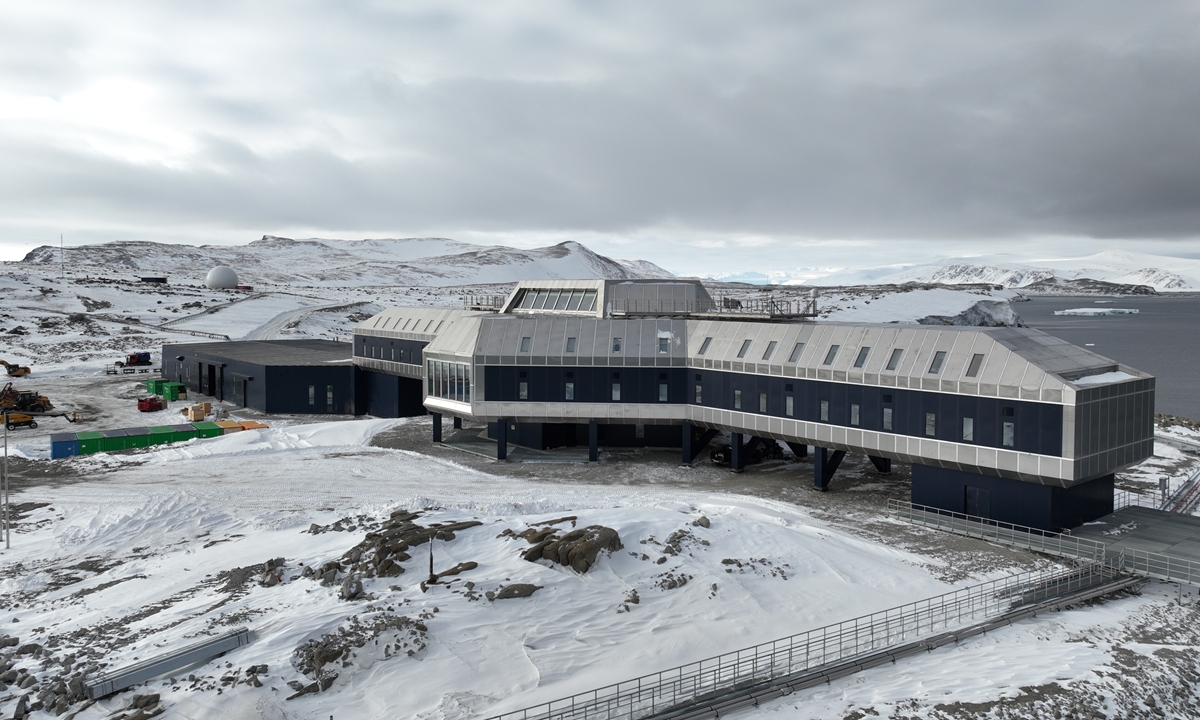
The main building at China's Qinling Station at Antarctica Photo: courtesy of an expedition member
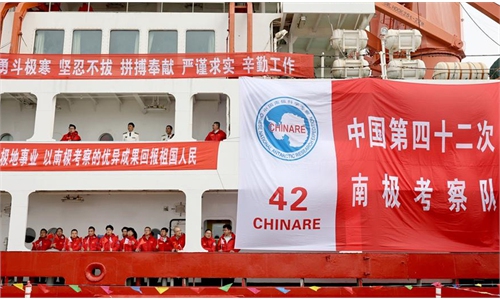
Leading the team is the station's chief, Wang Tao, who arrived in Antarctica last November as part of China's 42nd Antarctic expedition and is expected to remain there until at least early 2027. For him, however, keeping the station running through the harsh polar winter is only the latest chapter of a journey that began more than a decade ago - one that allowed him to witness Qinling Station from lines on engineering drafts into a fully operational scientific outpost."It has now entered regular operation," Wang told the Global Times. "Most of the station's core functions are complete, and our work today focuses on ensuring its stable daily operation while supporting scientific research."
As the CPC marks its 105th founding anniversary, Wang shared with the Global Times his journey together with the development of the station, showcasing the Antarctica spirit that features patriotism, truth-seeking, innovation and perseverance.
Building a station against the wind
Wang first visited the Qinling Station during China's 39th Antarctic expedition in 2022, when he led the team responsible for constructing the station's underground foundation. "What people see today is the building above the ground," he said. "What our team built first was everything underneath."
Those invisible foundations laid the groundwork for later construction. After returning to China, he continued participating in the station's design and construction before leading follow-up work during the latest expedition, when supporting facilities were completed and Qinling Station officially entered regular operation.
Yet few construction projects face conditions comparable to those in Antarctica.
Among China's five Antarctic stations, Qinling is neither the highest nor the southernmost. But in Wang's eyes, it presents perhaps the most challenging environment. The station experiences strong winds on around 28 days every month, while construction can only take place during the brief Antarctic summer, when weather conditions are relatively favorable.
At one point during construction, weather forecasts predicted winds exceeding Force 12 before the station's outer walls had been fully enclosed. Team members raced against time to install the final wall panels before the storm arrived.
"Normally, three or four people could install one panel," he recalled. "That day, it took more than 10."
The team completed the task just before the powerful winds swept across the site.
Another memory dates back to the foundation work, when gusts reach more than 40 meters per second - roughly equivalent to Force 14 winds. As they poured concrete into the excavated foundations, sand and cement were blown directly onto their clothing. "I looked at my fellows, everyone appeared as if they had just climbed out of a pile of cement," he said.
Despite the physical hardship, no one backed down. "Everyone understood that this was a national mission. That sense of responsibility gave us the resolve to overcome every challenge."
Today, the station stands as China's first permanent research station in the Ross Sea region, supporting marine science while expanding the country's scientific presence across West Antarctica. The station also represents a new chapter in China's efforts to build greener Antarctic infrastructure.
Its integrated microgrid combines wind, solar, hydrogen, battery storage and diesel generation to ensure a stable power supply while reducing fuel consumption. During the Antarctic summer, clean energy provides more than 60 percent of the station's electricity. Even during the polar night, when solar power is unavailable, wind energy still allows renewable sources to account for about half of total electricity generation, saving more than 200 tons of diesel each year, all thanks to the team's years of work.
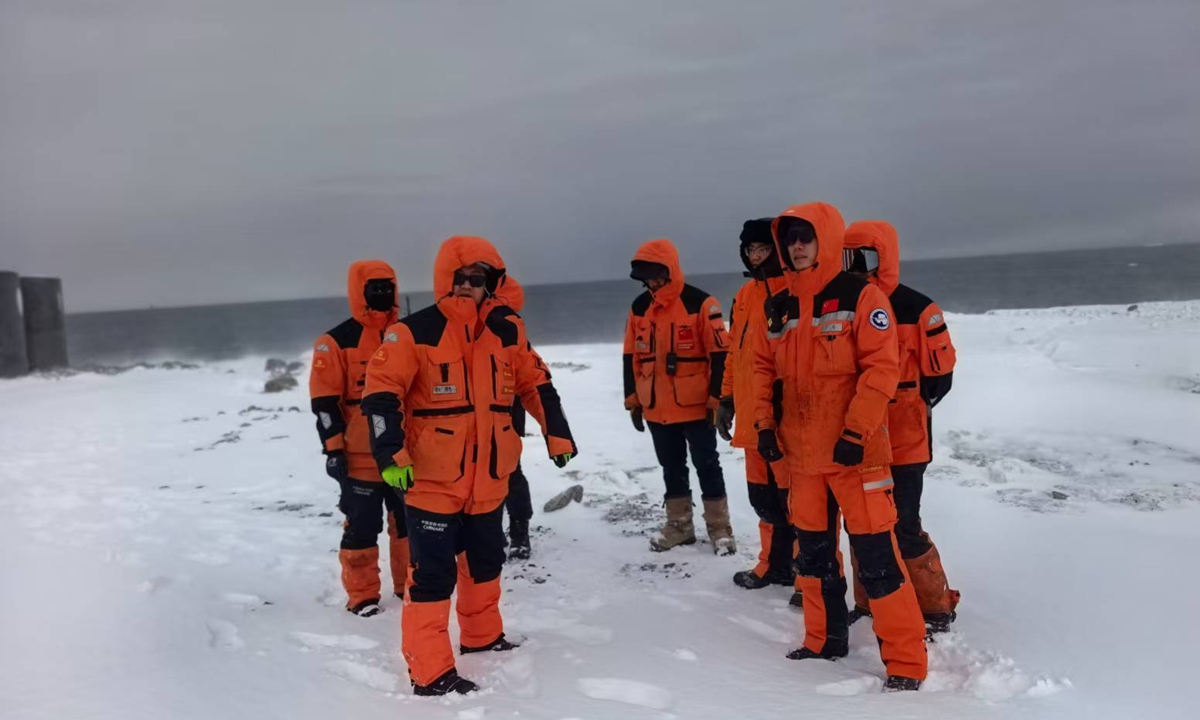
Members at Qinling Station conduct safety patrols across the station compound. Photo: courtesy of an expedition member
Carrying the mission forward
While the station itself has entered a new stage, daily life is still shaped by Antarctica's unforgiving environment. Unlike coastal stations where neighboring international bases can sometimes be reached, Qinling Station becomes effectively cut off during winter because of sea ice, dangerous crevasses and persistent storms.
The prolonged darkness also presents psychological challenges. Even experienced expedition members are not immune to concerns from home. He recalled one teammate who spent several sleepless nights waiting for his daughter's high school entrance examination results. When news finally arrived that she had been admitted to a key high school, everyone at the station celebrated together.
The station organizes regular conversations with team members, while psychological counseling from specialists based in China is also provided online. As station leader, Wang pays close attention to subtle changes in mood or behavior.
However, not a single person who has come to Qinling Station has ever asked to quit. For Wang, the most enduring legacy of China's Antarctic program lies not in buildings or technology, but in its people and the Antarctica spirit they pass on.
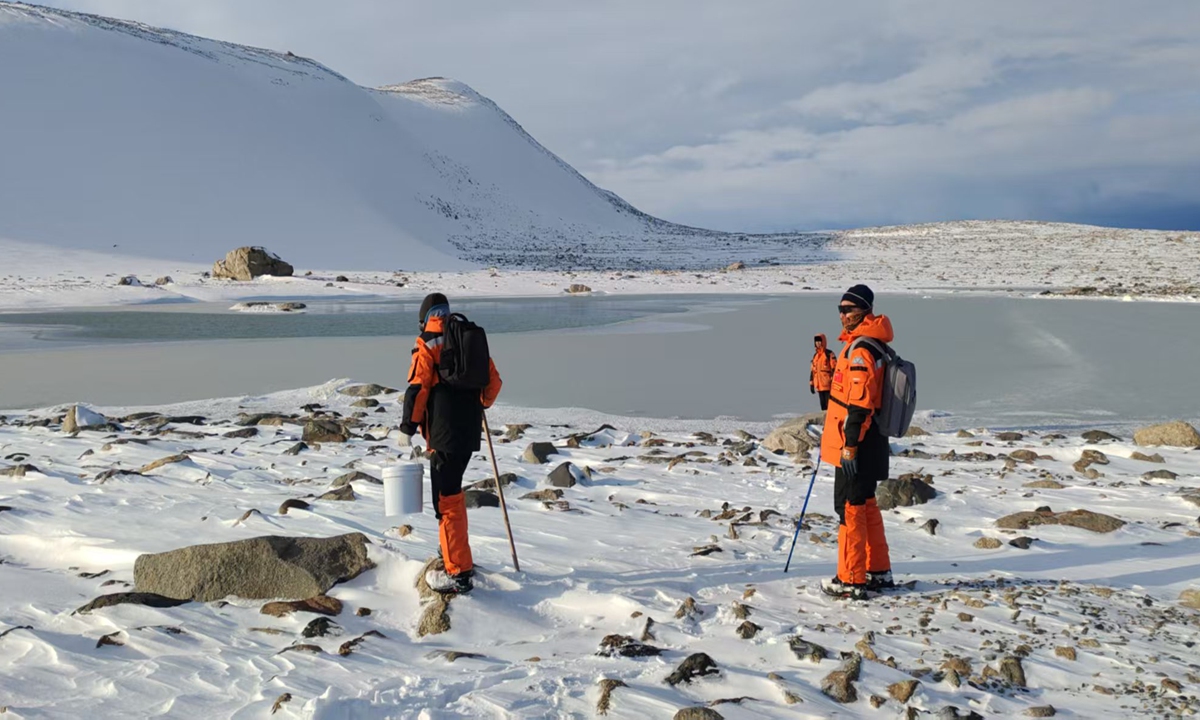
Expedition members at Qinling Station carry out field research. Photo: courtesy of an expedition member
When Wang first traveled south in 2011, veteran expedition members patiently taught him everything from operating vehicles to coping with blizzard conditions. Many of those mentors have since retired. Today, he finds himself passing those lessons on to a new generation, including members born after 2000.
"They [the predecessors] taught us everything without reservation," Wang said. "Now it's our responsibility to continue that tradition."
Looking ahead, Qinling Station will complete its final construction work later this year before shifting its focus increasingly toward scientific research and international cooperation. Wang believes the station's greatest value will ultimately be measured not by the buildings themselves, but by the discoveries they help make possible.
For those spending another long Antarctic winter in darkness, keeping that mission moving forward remains reason enough to face whatever challenges lie ahead.
RELATED ARTICLES