Illustration: Chen Xia/GT
Fatih Birol, head of the International Energy Agency, warned that Europe has made a "major mistake" by failing to wean its economy off imported fossil fuels quickly enough since the 2022 energy crunch, the Financial Times reported over the weekend.According to him, Europe's low electrification rate - electricity's share of the energy consumed in the EU - of about 23 percent is holding back the bloc's competitiveness in the world.
Birol's remarks cut straight to a core problem that has long lurked beneath Europe's energy transition.
Expanding renewable energy supply has been an important goal for the EU. Driven by sustained policy support and technological progress, installed wind and solar capacity have risen in Europe. A report by energy think tank Ember shows that, in 2025, wind and solar power generation in the EU accounted for 30 percent of total electricity output there.
This seemingly "impressive" attainment has been hailed by some as a progress for Europe's energy transition. Yet improvements in its energy generation mix do not equal a resolution of energy challenges faced by the EU. Europe has not completely or largely rid itself of excessive dependence on imported fossil fuel.
First, it is necessary to distinguish two easily confused metrics. The share of renewable energy in electricity generation measures whether the source of energy is clean, while the electrification rate measures electric end-use consumption. The two are complementary but cannot replace one another.
This is exactly where Europe's predicament lies: while the energy generation mix has grown steadily greener, the transformation of end-use energy structures lags behind. Large swathes of industrial energy demand, winter heating demand, and transport networks still run overwhelmingly on imported oil and gas. Amid rising geopolitical tensions and heightened volatility in global energy market, the external energy dependence will keep Europe trapped in a cycle of supply uncertainty.
The EU has worked out ambitious goals on energy transition, but constraints have held its blueprint back from becoming reality. For starters, internal coordination has long been a persistent headache for Europe. The EU's member states differ vastly in their energy endowments, industrial structures and development priorities.
These conflicting positions and inconsistent implementation standards make it nearly impossible for a unified EU-wide energy transition plan to take effect, stalling progress across the region.
Europe's green energy transition faces a systemic cost challenge. The elevated cost of renewables still puts the EU at a disadvantage, constraining the spread of electrification.
And, for many years, the EU's lackluster approach toward China in implementing green cooperation represents a new obstacle of its own making.
Following years of fierce competition in the green sector, China has built up the world's largest, most complete, and most cost-effective green manufacturing ecosystem. Faced with this new industrial landscape, some European politicians have pushed for protectionist trade measures and hyped the "de-risking" narrative to deliberately weaken green collaboration with China.
To protect Europe's local industries and supply chains, the political posturing by certain EU leaders stand in the way of Europe's energy transitioning.
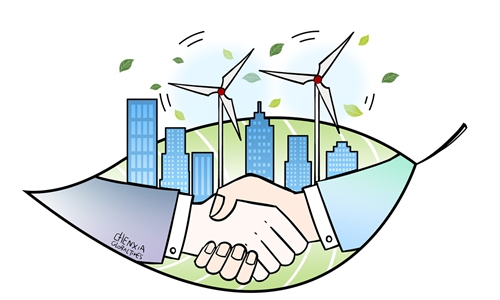
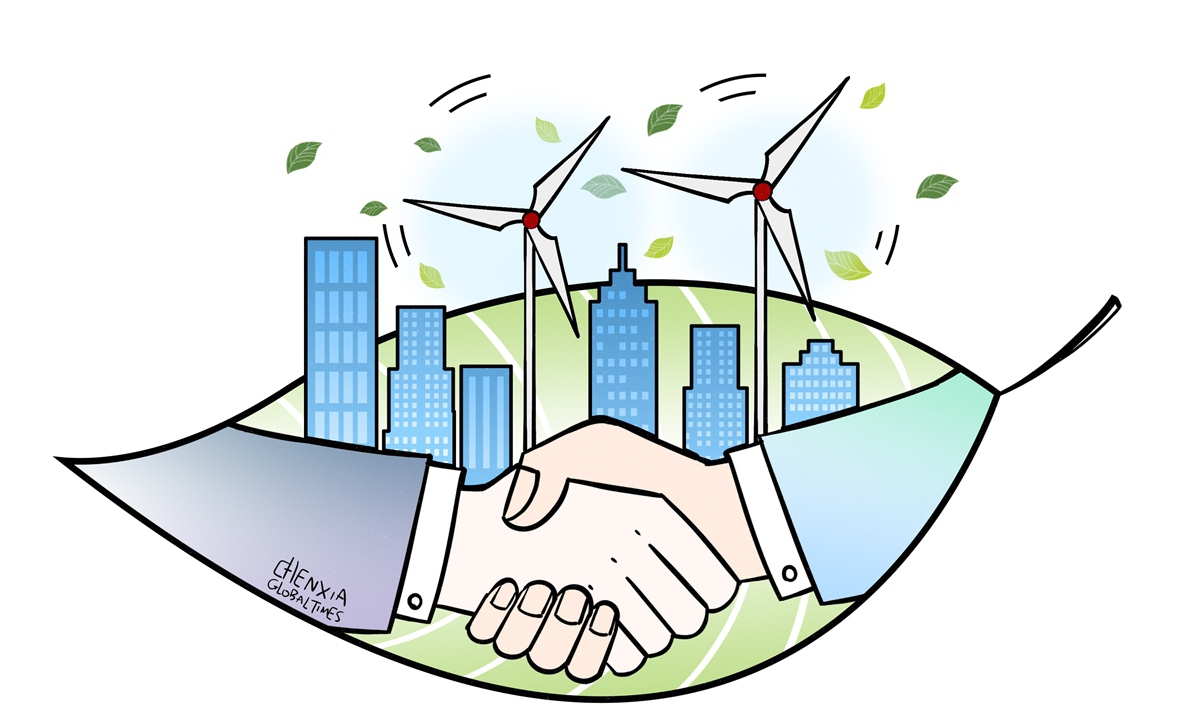
At a time when Europe needs to advance end-use electrification faster and at lower cost, any trade barrier will only reduce its room for international cooperation and drive up the overall cost of energy transitioning. Since Europe's energy transition hinges on stable, efficient and cost-effective supplies, China's high-quality green manufacturing sector will be greatly helpful for Europe.
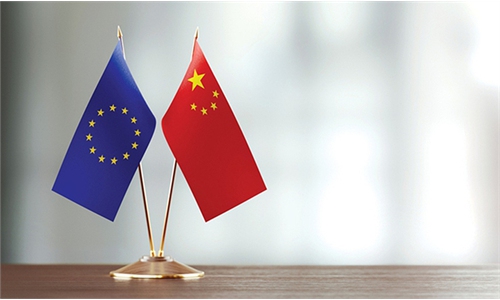
This view is shared in Europe's industrial circles. The heads of Electricite de France and TotalEnergies recently said that Europe needs to strengthen partnership with China in low-carbon electrification transition, according to French media outlets.
At the end of the day, the choice facing European leaders is whether they are willing to embrace green industrial cooperation with China, and take bolder and faster steps to realize its energy transition.
RELATED ARTICLES