Louis Vuitton Malletier files lawsuit against National Intellectual Property Administration over trademark administrative dispute
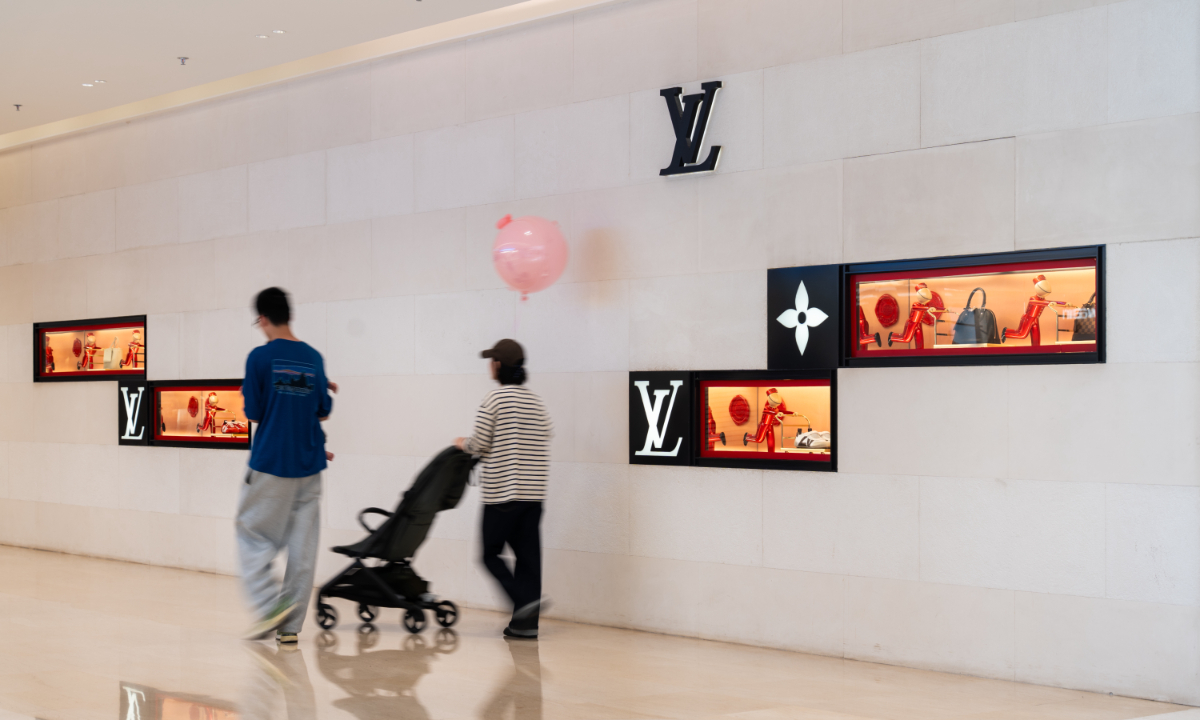
A Louis Vuitton store at a shopping mall in Ningbo, East China's Zhejiang Province, on April 26, 2026. Photo: VCG
French luxury brand Louis Vuitton will take the China National Intellectual Property Administration (CNIPA) to court over a trademark administrative dispute, with the case scheduled to be heard by the Beijing Intellectual Property Court on Thursday, according to a public notice posted on the People's Court Daily's official announcement website.
The case lists Louis Vuitton Malletier as the plaintiff and the CNIPA as the defendant, with Huang Minyao participating in the case as a third party, according to the notice.
The hearing is scheduled for 9:30 am on Thursday at Courtroom No. 15 of the Beijing Intellectual Property Court, the notice showed.
The announcement did not disclose details of the trademark involved, the specific dispute, or the reason why Louis Vuitton filed the administrative lawsuit.
Louis Vuitton Malletier is also involved in a separate trademark infringement lawsuit against Chinese tea chain Molly Tea, which has drawn significant public attention due to a dispute over LV's iconic four-petal floral patterns.
On July 2, the Suzhou Intermediate People's Court ruled that Molly Tea had infringed upon seven registered four-petal floral trademarks owned by LV, ordering the beverage brand to pay total compensation of 10.3 million yuan ($1.52 million) for economic losses and legal expenses. Molly Tea has announced plans to file an appeal, keeping the verdict unenforceable for now.
While the ruling was made in accordance with existing Chinese trademark laws and intellectual property regulations, it has triggered debate in China over the cultural origins of LV's signature four-petal floral motif. Some argued that Molly Tea's use of the design constituted infringement, noting that the company had continued using the motif after its own trademark applications were rejected.
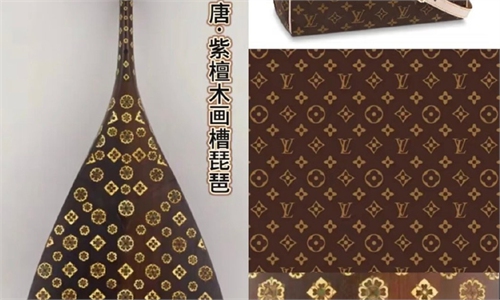
Many others questioned whether traditional Chinese patterns, including the baoxiang flower and persimmon calyx designs that some believe are linked to the motif's origins, should be subject to exclusive trademark protection by a foreign brand.
Global Times
RELATED ARTICLES