Illustration: Liu Rui/GT
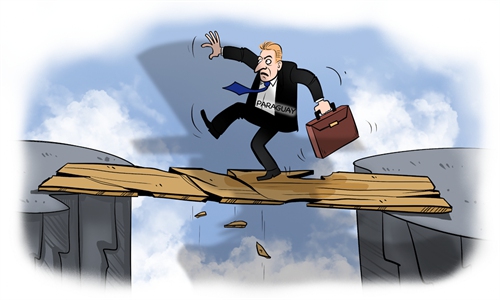
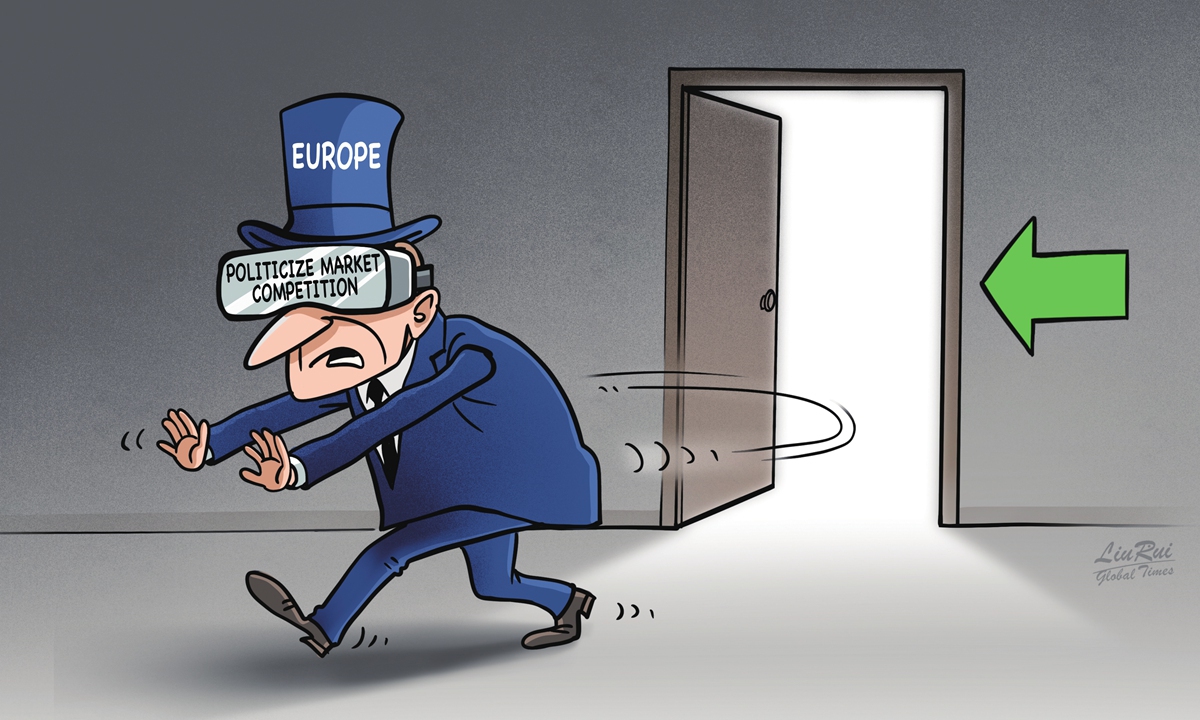
After urging the EU to mirror the Plaza Accord in pressuring Beijing, German Chancellor Friedrich Merz has cooked up another misguided scheme on China. In a recent hardline stance, Merz said that China must either engage in currency talks or free its currency.This demand on freer yuan is driven purely by European anxiety over its high trade deficit with China. The underlying hope is that a sharp, rapid appreciation of the yuan will drive up the prices of Chinese products, thereby boosting the competitiveness of European goods. However, if this playbook were actually followed, speculative cross-border capital would flood the market, fueling a massive asset bubble. Under such circumstances, how could European companies operating in China possibly thrive?
Merz is speaking like an economic amateur and offering ill-advised proposals. Yet, as a core expert on German economic policy since the 1980s, he certainly knows better. Ultimately, this is nothing more than a desperate political posturing, driven by four calculated agendas: First, to scapegoat China in order to deflect public attention from domestic crises; second, to conjure up a superficial "fix" to mask his inability to resolve Germany's genuine economic stagnancy; third, to pander to automotive and manufacturing voters to shore up domestic political support; fourth, to forge a united, hardline anti-China stance within the EU to solidify Germany's leadership position in the bloc.
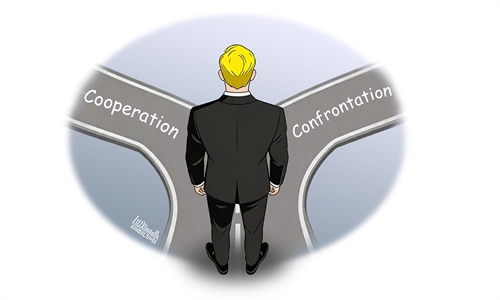
China has consistently remained open to dialogue with the European side. If Germany genuinely wishes to negotiate, it must show sincerity instead of resorting to "megaphone diplomacy." Threatening rhetoric is not only futile, but it also serves only to expose Europe's underlying vulnerability.
RELATED ARTICLES