Vikram-1 opens a new chapter for India’s space sector, but openness may matter next
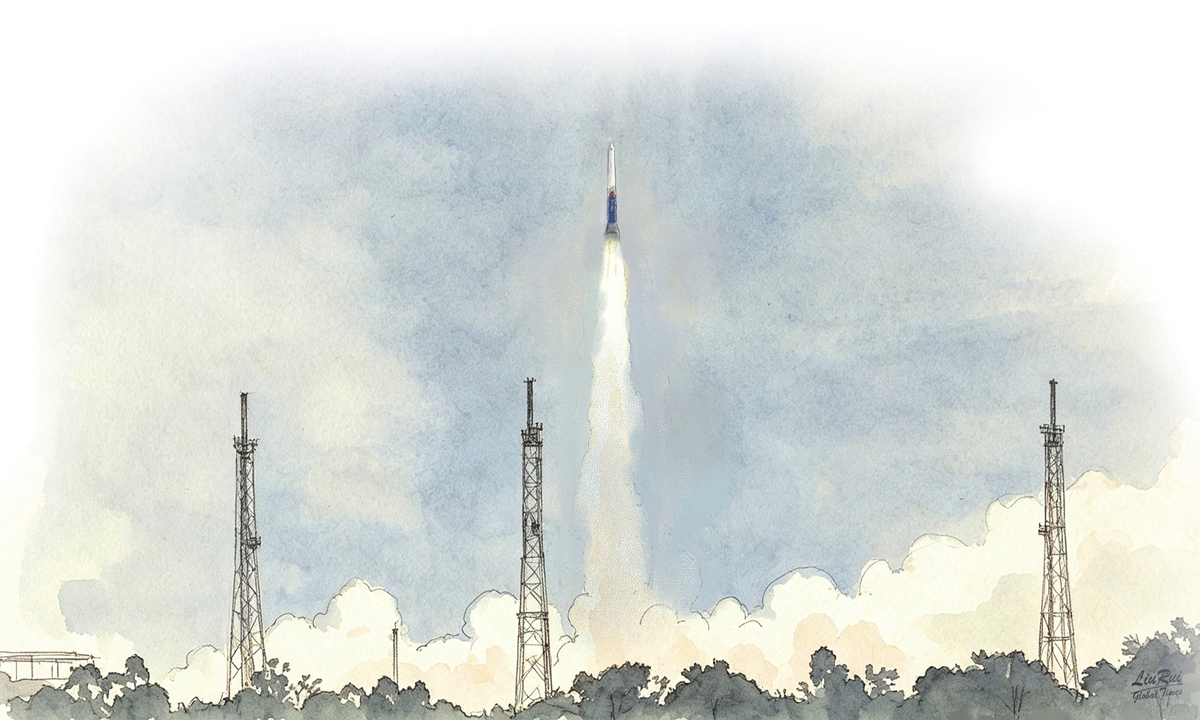
Illustration: Liu Rui/GT
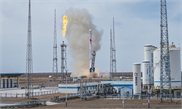
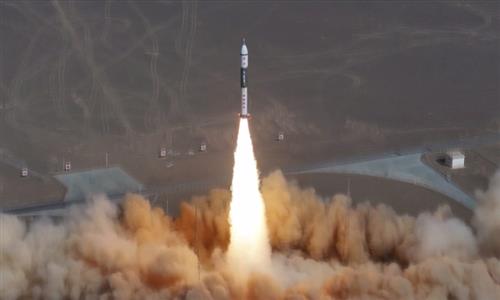
As India celebrates Vikram-1's orbital mission, some media outlets have described the achievement as "a new chapter" in the country's space adventure. The Economic Times reported that Skyroot Aerospace's Vikram-1 successfully lifted off on Saturday, becoming India's first privately developed orbital-class rocket to launch from Indian soil.Some international observers have argued that the mission places India among the few countries, including the US and China, where private companies have demonstrated the ability to carry out orbital launches.
From a global perspective, commercial space is a sector with considerable potential for expansion. As artificial intelligence (AI) and the digital economy continue to advance, demand for space-based services is likely to grow further.
A larger market could create room for a wider range of private-sector participants, bringing more innovation, investment and competition into the industry. The global space sector will benefit from broader participation and sustained technological progress. Against this backdrop, Vikram-1's orbital mission represents a welcome step forward.
For India's commercial space sector, however, the significance of Vikram-1 extends beyond a single launch. The mission can be seen as the visible expression of a broader trend: the gradual progress being made by Indian private companies in building commercial space capabilities. While the launch itself is an important milestone, the longer-term impact will depend on whether India can continue developing the ecosystem needed to support a competitive space industry.
Commercial space is more than a launch business. It rests on a broad industrial base spanning advanced materials and other high-tech capabilities. Vikram-1 could provide fresh momentum not only for India's commercial space sectors, but also for the wider upgrading of its industrial capabilities. Yet turning that momentum into sustained investment - from both domestic and international sources - will depend on India's strategic judgment and policy choices.
For instance, The Hindu reported on Sunday that as Vikram-1 reaches orbit, Skyroot faces a steep climb to business success. "A single launch - crucial though it is - will not catapult Skyroot to success."
Vikram-1 is, in many ways, only the beginning, rather than the destination. The BBC reported that Saturday's launch was the first of two test flights Skyroot plans to do this year. Seen in this context, the mission represents an early stage in India's commercial space journey, with much still to be done before the sector develops into a mature industry. Building a competitive commercial space industry will require not only successful launches, but also reliable supply chains, sustained investment and a broader market for space-based services.
Compared with India's still-developing commercial space sector, the ecosystems in the US and China have been built over a longer period and on a broader scale, supported by years of investment, technological progress and industrial development.
Here, China presents an example. According to the China National Space Administration, China's commercial space sector maintained rapid growth in 2025, with 50 launches completed. Of these, 25 were commercial launch vehicle missions. A total of 311 commercial satellites were placed into orbit throughout the year.
The growth of China's commercial space sector is also reflected in the expanding number of companies involved in the field. According to a People's Daily report in April, more than 600 commercial space companies were operating in China as of the end of 2025, marking an increase of more than 20 percent year-on-year.
In the near term, India's commercial space sector may remain at a different stage of development from the more developed ecosystems in the US and China. That, however, does not limit the sector's growth prospects. The more important question is whether India can build on its own strengths, develop distinctive advantages and pursue a path that fits its industrial conditions amid intensifying global competition.
Skyroot's experience may offer some perspective on this question. Founded in 2018, Skyroot is among a new generation of Indian space start-ups that have attracted backing from global investors following the sector's liberalization, according to Reuters.
For India's commercial space industry, an open approach - one that welcomes both domestic and global investors on a level playing field - could be as important as technological progress itself. The same principle extends beyond space: access to global capital, technology and supply chains can help strengthen manufacturing capabilities, which in turn provide a foundation for commercial space development.
The author is a reporter with the Global Times. bizopinion@globaltimes.com.cn
RELATED ARTICLES