Chinese Foreign Ministry
China on Friday blasted fresh US tariffs imposed on China and 59 other economies over alleged forced labor concerns, and warned that trade wars do not serve any parties.
A number of economies around the world, including some US allies, have also voiced strong opposition, with some deciding to take the matter to the World Trade Organization (WTO).
Chinese analysts said that the unilateral tariffs, which came as China and the US are discussing a framework for reciprocal tariff reductions worth $30 billion on each side, are not conducive for the two sides to promote trade facilitation and the lowering of tariffs.
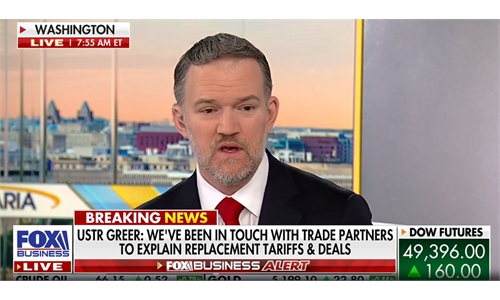
The Office of the United States Trade Representative (USTR) announced on Thursday that the country is imposing new tariffs of 10 percent and 12.5 percent on 60 trading partners for the vast majority of its imports over allegations of lax enforcement of forced labor bans, effective from Friday, just as a temporary 10 percent global tariff introduced earlier this year expires, Reuters reported.
China faces a 12.5 percent tariff rate, while Japan, South Korea, Switzerland and the European Union are subject to tariffs ranging from 10 percent to 12.5 percent, according to the report.
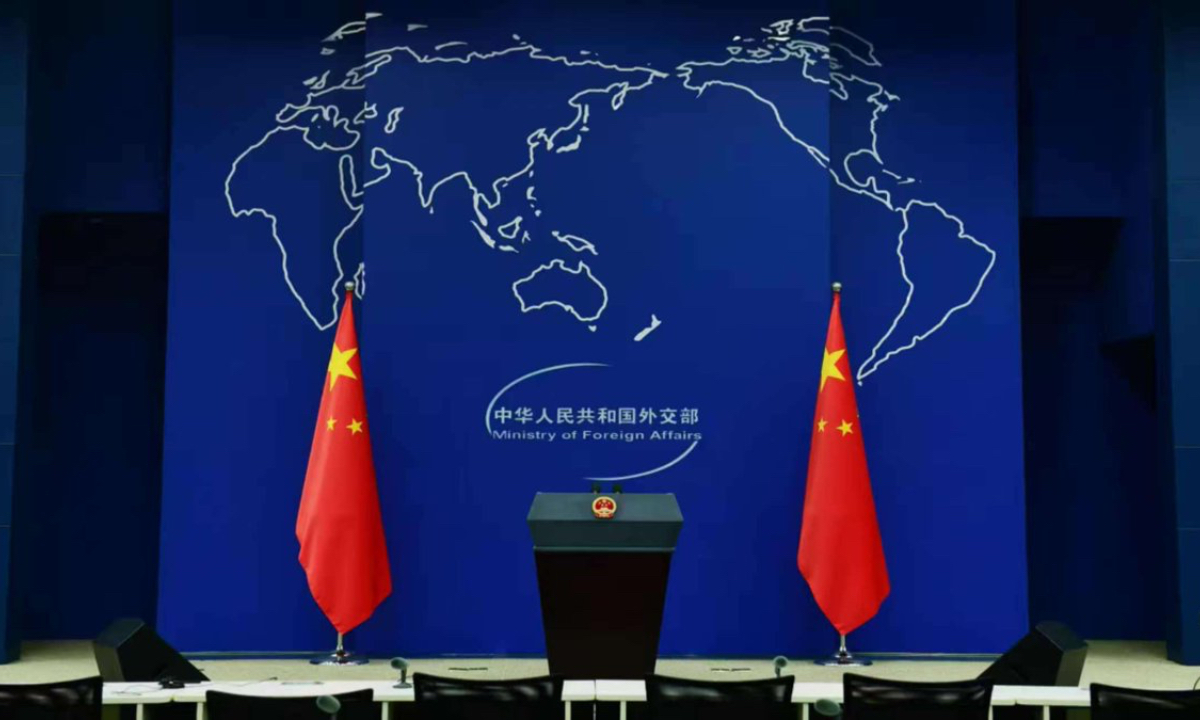
Commenting on the fresh US tariffs, targeting 60 of its trading partners with China, in particular, being hit with a 12.5 percent tariff, Chinese Foreign Ministry spokesperson Lin Jian said on Friday that China's position on China-US economic and trade issues is consistent and clear. We oppose all forms of unilateral tariffs.
Tariff wars and trade wars serve no one's interests, he added.
'No friends' when it comes to tariffs
The new tariffs, announced by the USTR on Thursday in a Federal Register notice, will cover 99.4 percent of US imports, but will exempt numerous products, such as oil and gas, fertilizer and certain food items, according to Reuters. Other goods that comply with the US-Mexico-Canada Agreement on trade will also be exempted.
"Although the new duty rate may not appear significantly higher than the original 10 percent, the scope of the products subject to these tariffs is across-the-board and a wide range of stakeholders, including those making and trading essential consumer goods and intermediate products, will be affected," Zhou Mi, a senior research fellow at the Chinese Academy of International Trade and Economic Cooperation, told the Global Times on Friday.
"Any newly imposed unilateral tariffs will disrupt corporate planning and unsettle market expectations - developments that are detrimental to the consensus reached between China and the US and to the efforts to implement that consensus," Zhou said, noting that the new move will increase the risks and costs faced by US companies in the market and hurt the interests of US consumers.
The new US duties will take effect at the exact same moment as a temporary 10-percent tariff for 150 days expires on Friday. The temporary tariffs were imposed by the Trump administration following a ruling by the US Supreme Court in February that ruled most of the administration's tariffs illegal, Reuters reported.
He Weiwen, a senior fellow at the Center for China and Globalization, said the fact that the US administration seems to be going from one type of tariff to another has revealed that the matter of trade and economic cooperation has been subjected to political manipulation.
"It is clear that the US administration has treated tariffs as a political statement and it will try to sustain its tariff agenda with any means it can find," He Weiwen said.
"The imposition of tariffs on many of its allies or trading partners in developed countries on the allegations of forced labor further exposed the absurdity of this manipulation, and it shows the world that when it comes to tariffs, the US has no friends," He Weiwen said.
Regarding the US' "forced labor" tariffs, China's Ministry of Commerce (MOFCOM) spokesperson He Yongqian urged the US to meet China halfway and maintain steady economic and trade relations between the two countries at a press conference in June.
"China's position on the Section 301 investigation has been consistent. China opposes all forms of unilateral restrictive measures, including the series of trade restrictions imposed on China under the pretext of 'forced labor.' We have repeatedly expressed our solemn position on this matter," He said.
The latest tariff move came as an official from MOFCOM disclosed on Thursday that China and the US are discussing a framework for reciprocal tariff reductions worth $30 billion on each side, while seeking input on related plans and working to finalize specific product-level tariff reduction measures for implementation as soon as possible.
Amid signs of easing trade tensions, China-US trade showed signs of recovery in the second quarter, with bilateral goods trade rebounding 13.7 percent year-on-year after an 18.7 percent decline in the first quarter, a customs official said at a press conference on July 14. However, Chinese experts said that the US needs to positively and responsibly handle bilateral trade and economic issues so that the positive trend may continue and high-level consensus are translated into concrete results.
Worldwide opposition
Faced with the Trump administration's new tariffs, countries from Brazil to New Zealand and Australia have been vocal in blasting the move.
By pushing for tariff measures under the pretext of "forced labor", the US administration is essentially employing unilateral tactics to coerce other nations. This approach undermines the trust and expectations that the world places in the US and erodes American credibility, Zhou noted.
Brazil on Thursday rejected the US decision to impose a 12.5-percent tariff on Brazilian products, saying it will pursue dispute settlement at the WTO, according to Xinhua News Agency.
Calling the Section 301 trade investigation "arbitrary and unjustified", the Brazilian government said the US had used forced labor as a pretext for a protectionist trade policy, and had "chosen to manipulate an issue of great importance to human rights and the struggles of workers worldwide."
Norway's Foreign Minister Espen Barth Eide said "there is no basis for this tariff against Norway because we already have clear rules that are intended to prevent trade in goods produced using forced labor."
New Zealand Trade Minister Todd McClay said the US levy of tariffs was unwelcome and "It's another day and another tariff story from the US", adding that "these actions create more uncertainty at a time when the world trading system is under real pressure," according to the AFP.
Australia's trade minister Todd Farrell said: "These tariffs are unjustified, inconsistent with our free trade agreement, and should be removed."
Countries around the world pay great attention to ensuring worker rights are protected and have over the years made efforts to improve working conditions. However, the US' brazen manipulation of trade as a tool to force other countries into complying with its own subjective narrative and judging system on the issue is nothing more than an act of hegemony, and it is not surprising that such acts were met with vehement protests around the world, Zhou said, noting that the US move serves only to undermine countries' trust in the US and erode the interests of its importers and consumers.
The Trump administration's new tariff also met with opposition from some US political figures.
Massachusetts Governor Maura Healey, a Democrat, criticized the duties in a statement, saying they "will result in higher costs, negative impacts to businesses and weakened American competitiveness. Nobody can afford this," Reuters reported.