Illustration: Chen Xia/GT
As oil prices and stock markets have swung with every twist of the conflict, so too has the Pentagon's repeatedly "revised" tally of US military casualties, offering the latest example of the US efforts to downplay troop losses and other costs of an unpopular war.
According to US media outlets, the Pentagon recently lowered the number of US service members killed in the war from 18 to 14, removing four service members killed after a cease-fire had been declared. This move triggered strong backlash from US veterans, military families and lawmakers. The Pentagon later "quietly" updated its war casualty database, recording more than 200 new wounded personnel and restoring the four soldiers killed. However, it introduced a new category labelled "Overseas Contingency Operations" for personnel killed and wounded "starting July 7," which separates some casualties from the original war casualty page.
The controversial move fueled criticism and was mocked by US media and the public as "playing games" to reduce the political impact of battlefield losses by redefining phases of the war, with accusations of a "shameful cover-up" aimed at obscuring the truth and manipulating public opinion.
The current toll of 18 deaths and more than 600 wounded may not appear particularly staggering in the long record of American wars. The real question is not the size of the numbers, but why Washington is so desperate to alter the presentation of these figures. It reveals the awkward position Washington finds itself in a crisis of war legitimacy.
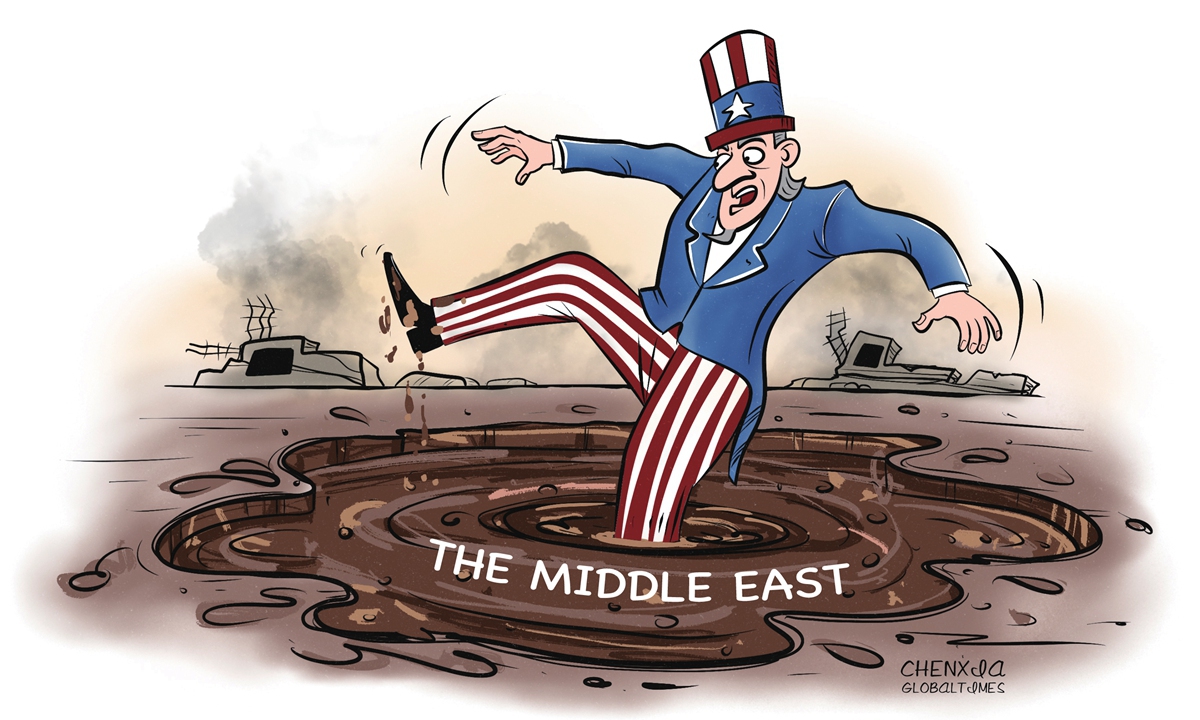
During the 2024 campaign, the current US president vowed not to get involved in any foreign wars if he were to return to the White House. Yet today, the US has once again been drawn into a prolonged military conflict with Iran. The claim that the war would be "over" within the first hour has given way to a five-month war of attrition. Moreover, the US has not achieved its strategic goals. What it has delivered with certainty are rising global oil prices, market volatility, higher living costs for Americans and an expanding casualty list.
When economic losses are compounded by causalities, this conflict - already mired in military difficulties - is poised to exert even greater pressure on the administration in the coming electoral cycle. It is fast becoming a political liability that Washington struggles to explain to the American people. According to a Reuters/Ipsos poll, just one in three Americans supports the war on Iran.
That is why the US government has attempted to control information disclosure to reduce the political fallout. The Pentagon hasn't consistently provided timely and comprehensive public casualty reporting throughout the conflict, and hasn't held a press briefing for months. It has also imposed restrictions on the free movement of reporters in much of the Pentagon building.
Yet this approach cuts to the very nerve of modern democratic politics - the basic contract between the public's right to know about war and the government's obligation to transparency. What the US government's data manipulation truly reveals is not "how many have died," but "who gets to decide when you are allowed to know how many have died."
When casualty figures can be "reclassified," the public will naturally ask: Are US military claims about air defense capabilities, missile interception effectiveness and weapons stockpiles also subject to selective disclosure? Is the US military "fully prepared," as officials claim, or is it already stretched? The less information the US government releases, the more skepticism it fuels among citizens, the media and the international community. Once public trust is damaged, rebuilding it is far more difficult than reclassifying a set of numbers.
What this war ultimately lays bare is a fundamental truth: The so-called hegemonic power, however formidable militarily, is not unlimited. It is constrained by military resources and weapons stockpiles, by the level of allied support, and most critically by domestic public opinion and political realities. The US government cannot pretend that the number of war casualties does not matter, nor can it paper over the war's staggering costs with empty claims of "victory." It has to confront not only battlefield losses and economic tolls, but also the sustained erosion of government credibility and domestic political trust caused by this war.
The author is a reporter with the Global Times. opinion@globaltimes.com.cn
RELATED ARTICLES