MOFCOM welcomes WTO ruling in China’s case against Turkey’s EV restrictions, urges prompt correction of measures
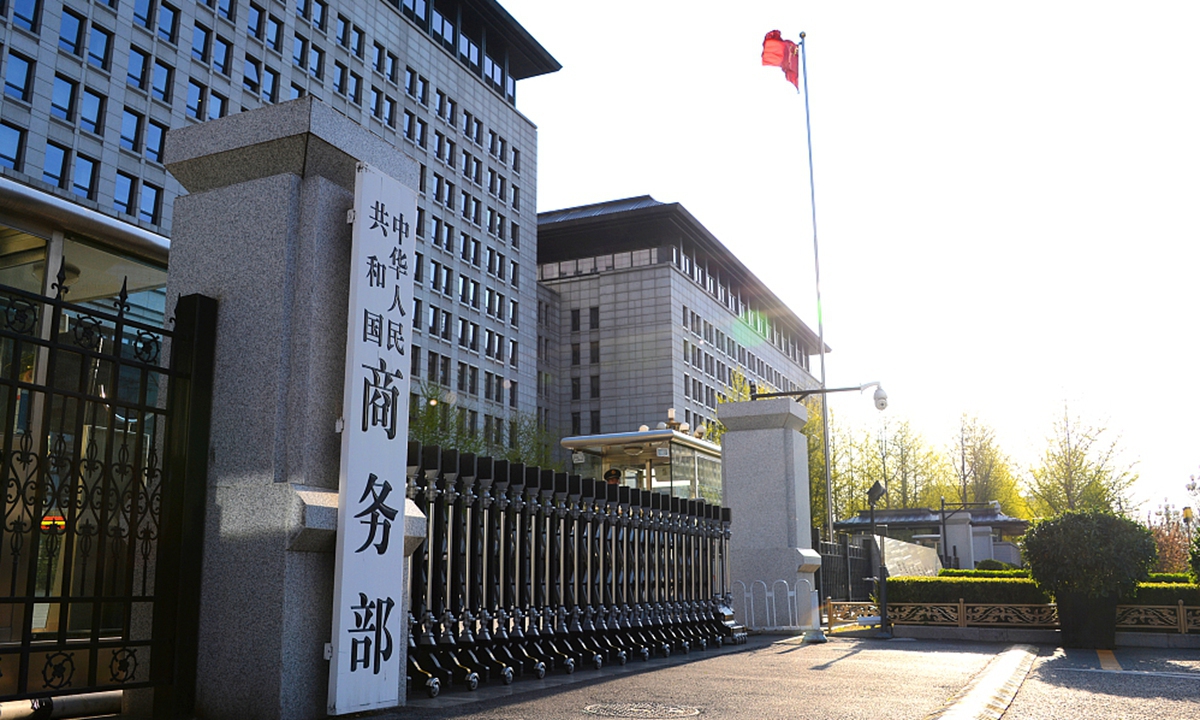
Ministry of Commerce
China's Ministry of Commerce (MOFCOM) on Tuesday welcomed the WTO panel's ruling that Turkey had violated WTO rules in a dispute case brought by China over Turkey's restrictive measures on electric vehicles and other vehicles, and urged the Turkish side to respect the panel's ruling, take concrete actions and promptly correct the violating measures.
The remarks were made by a MOFCOM spokesperson in response to a question concerning that, on July 28 Geneva time, the WTO circulated the panel report on the dispute case brought by China against Turkey over restrictive measures on electric vehicles and other vehicles.
"We have noted that the WTO has circulated the panel report in the case concerning Turkey's restrictive measures on electric vehicles and other vehicles imported from China (DS629). The panel supported China's claims and ruled that the measures adopted by Turkey violated WTO rules. China welcomes the ruling," the spokesperson said.
Since 2023, Turkey has successively imposed restrictive measures, including additional tariffs and import licensing requirements, on electric vehicles, hybrid vehicles and other vehicles exported from China. These measures violate multilateral trade rules, including those concerning bound tariffs, national treatment and most-favored-nation treatment, seriously harming China's legitimate trade interests and China-Turkey economic and trade relations, the spokesperson stressed.
The spokesperson urged Turkey to respect the WTO panel's ruling, take concrete actions and promptly rectify the measures inconsistent with WTO rules.
The spokesperson noted that China remains firmly committed to an opening-up strategy featuring mutual benefit and win-win outcomes and firmly upholds the multilateral trading system with the WTO at its core. China stands ready to work with all parties, on the basis of compliance with multilateral trade rules, to continuously enhance the quality and level of trade and investment cooperation in areas such as new energy vehicles and achieve common development.
Global Times
RELATED ARTICLES