Reported US curbs on Chinese data center parts and solar tariffs are trade barriers hurting US firms: experts
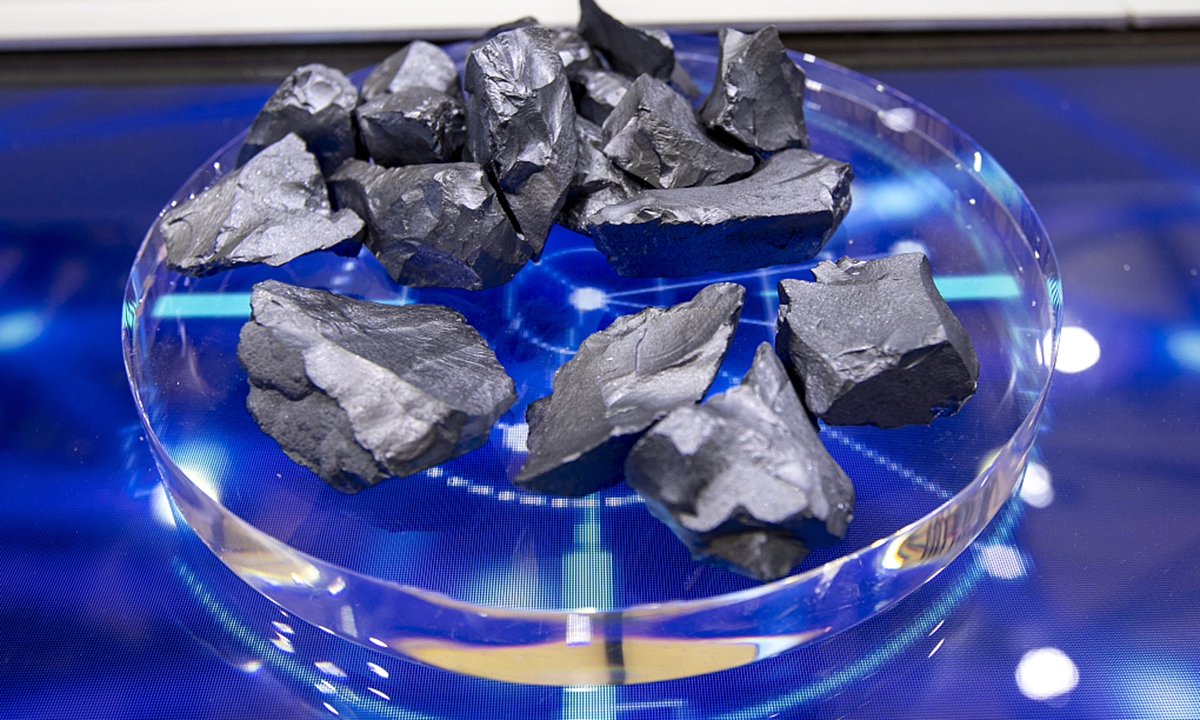
polysilicon Photo: VCG
The Trump administration is considering fresh restrictions on Chinese-made data center components and is also preparing possible tariffs and a price floor on polysilicon, a key material used in both solar panels and semiconductors, Reuters reported on Tuesday, citing sources familiar with the matter.
Both Chinese analysts and industry experts believe the reported US restrictions would likely intensify tensions over critical technology supply chains and could backfire by raising costs for American firms and consumers. Tightened US curbs could slow AI infrastructure buildouts, disrupt cooperation, and make supply chains more fragmented and expensive, they said.
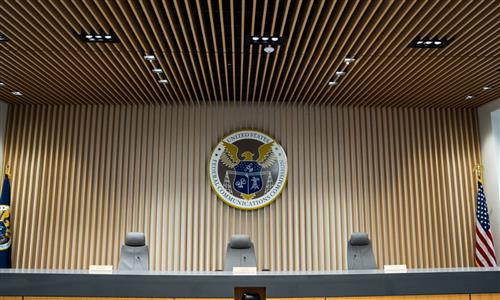
According to Reuters, the US administration is drafting a ban on imports of new models of Chinese data center components, including optical transceivers that transmit data inside large server facilities at high speeds. The move is intended to prevent Chinese firms from "stealing data, installing malware or disrupting service" at US data centers, the report claimed. The Federal Communications Commission (FCC), which oversees the US telecom industry, is working on the measure to bar imports of new Chinese optical transceivers.
The Chinese Embassy in Washington said that China urges the US to "heed the objective and rational voices of the business communities in both countries" and "stop smearing Chinese companies and threatening them with sanctions," according to Reuters. "China will take all necessary measures in response to any action that causes material harm to its interests," it added.
According to Chinese experts, the proposed measures mark the latest escalation in US' effort to limit China's role in critical technology supply chains, expanding US scrutiny beyond chips and telecommunications equipment into AI computing facilities and clean energy materials.
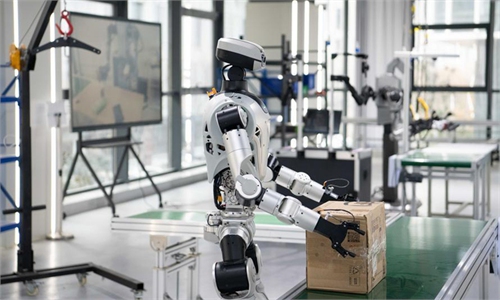
Previously, the FCC has already moved to restrict Chinese drones, routers, robots and inverters.
However, Reuters said the restrictions could also raise costs for US cloud providers, including Amazon Web Services, which may need to shift purchases toward alternative suppliers. Critics said such measures could be costly and difficult to enforce, especially in sectors where Chinese components are already deeply embedded in US infrastructure. They warned that removing existing equipment can be "slow, expensive and incomplete," according to Reuters.
In a separate report on Tuesday, Reuters reported that the US administration is also weighing a price floor and tariffs on polysilicon and related products, in a way to protect US polysilicon producers from growing Chinese competitors in the chip supply chain. Polysilicon is an ultra-pure form of silicon that sits at the start of both the solar manufacturing and semiconductor supply chains.
Industry insiders believe that the US is unlikely to impose a sweeping ban on imports of Chinese optical modules, despite heightened policy rhetoric. They argued that US AI infrastructure remains heavily dependent on Chinese suppliers, who lead in technology, cost, and capacity, the Securities Daily reported.
Chinese companies make seven of the world's top 10 optical module makers and account for about 70 percent of 800G and 1.6T shipments, said the report.
At present, major US cloud service providers are accelerating AI infrastructure construction. If they cannot obtain Chinese optical modules, the overall construction progress will be affected, said the report. A complete decoupling from Chinese optical modules would only leave America's data center development significantly behind.
Guotai Haitong Securities Co said the sector is highly globalized and both US cloud providers and Chinese vendors have prepared for geopolitical risks. Even if new FCC rules are introduced, there should still be enough alternatives for large-scale deployment, according to Securities Daily.
"A blanket restriction would damage the global ecosystem. The probability of such an outcome is very low," Guotai Haitong Securities added.
Zhou Mi, a researcher at the Chinese Academy of International Trade and Economic Cooperation, told the Global Times on Wednesday that the reported measures reflect a broader US effort to contain China's competitiveness in advanced manufacturing, AI infrastructure and new-energy industries.
"The US has been continuously expanding its import bans against Chinese technology products, driven by concerns over losing future industrial dominance in the era of AI," Zhou said, adding that this protectionist approach could raise costs for US companies and consumers, disrupt global cooperation and make supply chains more fragmented and expensive. In the long run, such an approach runs counter to market principles and is detrimental to global technological innovation and the green transition.
Xiang Ligang, director-general of the Zhongguancun Modern Information Consumer Application Industry Technology Alliance, told the Global Times on Wednesday that these measures could also hurt cooperation between Chinese and US tech firms in areas such as data centers and solar materials, where production is highly globalized.
The global supply chain is a two-way, interconnected, and mutually beneficial community. US companies have relied on China's supply chain to strengthen their own advantages, while consumers around the world have also benefited from China's manufacturing through industrial upgrading and technological innovation, Xiang said. Imposing new trade barriers is not in the interests of companies in either country and will ultimately harm the interests of US consumers.
Chinese Foreign Ministry have repeatedly criticized US export controls and import restrictions, saying they politicize trade and use "national security" as a pretext for protectionism.When asked about the FCC's ban on imports of humanoid robots on grounds of national security, Chinese Foreign Ministry spokesperson Mao Ning said on July 29 that China firmly opposes US overstretching the concept of national security and going after Chinese companies.
Mao said that protectionism does not make the US more competitive and will only hurt the interests of US companies and consumers, adding that China will continue to do what is necessary to firmly defend the legitimate and lawful rights and interests of Chinese companies, per Xinhua.
RELATED ARTICLES