ARTS / BOOKS
Literary voices rise from once remote regions, illuminating rural life and spirit of modern Chinese literature
Vitality woven in words
By Published: Aug 05, 2026 09:35 PM
Editor's note:
Xihaigu takes its name from three counties in Northwest China's Ningxia Hui Autonomous Region: Xiji, Haiyuan, and Guyuan, areas long considered among China's harshest environments. Yet today, this land has produced a large community of writers, and literature has become as vital as a staple crop for local people. This two-part series focuses on regional writers and their achievements. Expanding from individual stories to the broader landscape, this second installment looks beyond Xihaigu, heading south to explore how a "spiritual harvest" of literature has flourished in places like Zhaotong in Southwest China's Yunnan Province.
For both readers and critics, Mengma Xiang serves as a tribute to idealism and the pure force of life. In the landscape of local literature, this award-winning novel symbolizes the spirit of Zhaotong's literary works.
Extending beyond the Wumeng Mountains, regions such as Xihaigu in Northwest China's Ningxia Hui Autonomous Region and Hechi in South China's Guangxi Zhuang Autonomous Region also reflect Zhaotong's literary vitality. Once marked by hardship and isolation, these areas are now emerging as fertile ground for contemporary Chinese literature.
These three lands, once separated by mountains and marked by poverty, have become unique literary communities: Xihaigu literature, Zhaotong literature, and Hechi literature. Generations of local writers have rooted themselves in their homeland, looking back on the times, recording the transformation of their lands, the warmth of daily life, and the quiet glow of human nature.
Ji Dongliang from Xihaigu, winner of this year's Lu Xun Literature Prize for his reportage Xihaigu Biji (lit: Notes from Xihaigu), told the Global Times that Xihaigu, Zhaotong, and similar places were once "synonymous with hardship and poverty." Yet the literature that grew from these landscapes has moved beyond a cycle of suffering and now tells the story of transformation and spirit in the age of revitalization. Readers see in these works the spiritual force that illuminates modern China, forming a rich and powerful lifeblood for Chinese literature.
Beyond suffering
As Hu sees it, Yunnan is a plateau where time and space fold together. When snow falls atop the Wumeng Mountains toward the end of April, temperatures in the Jinsha River valley can soar to almost 40 C. Living on this land, nourished by it, Hu focuses his writing on the complexities of inner life, portraying subtle feelings and intricate psychology, one reason his award-winning Mengma Xiang is so widely praised.
But Zhaotong writers are far from uniform. Their works display great diversity, from traditional realism to bold literary experiments. Hu told the Global Times that Zhaotong writers are rooted in their homeland; they write about reality, human warmth, and the resilience of life. Some tackle reality head-on, others approach it indirectly, or reveal it by exploring the characters' inner worlds.
"Zhaotong is a place in Yunnan that was developed early, yet remains relatively poor. But when it comes to pursuing innovation, the people here are often the first to try new things," Hu noted.
As a community, Zhaotong writers often gather to discuss literature, influencing each other's views and styles. Hu remembers that there were hundreds of literary societies in Zhaotong, with each writer moving forward with their own dreams. Some later moved to the provincial capital Kunming but kept their literary roots in Zhaotong. Every year, they return for events and exchanges, fostering the region's thriving literary scene.
Whether it is Ji from Xihaigu or Hu from Zhaotong, both emphasized that the vitality of regional literature comes from the dedication and love of their writers. It is decades of this collective effort that have forged distinctive features for each literary tradition.
As Dongxi, a well-known writer from Hechi in Guangxi, describes it: Their craft is marked by "devotion" to writing.
Reaching the world
Dongxi, a winner of both the Mao Dun Literary Prize and Lu Xun Literary Prize, told the Global Times that Hechi writers deeply understand the hardship of life, which gives them a strong urge to express and create, often focusing on the everyday feelings and the life of ordinary people.
While the outside world may label Hechi literature and other regional works as "local" or "about hardship," Dongxi insists their stories are both rooted and universal, finding empathy and shared experience even within the specific.
This is why Hechi writers have seen their works translated into English, French, Russian, Korean, German, and Vietnamese, among other languages.
"Rural life in Hechi has changed, bearing the imprint of a new era," Dongxi said.
Changes in the times have left new marks on regional literature in places like Xihaigu, Zhaotong, and Hechi. A new generation of writers must now take up the baton, carrying forward the stories of their lands.
Both Dongxi and Hu reflected on this intergenerational transition, agreeing that for young writers, sincere passion and commitment to literature are essential.
By honoring tradition, developing personal insight, and drawing strength from outside support, these lands will continue to produce outstanding writers for years to come.
Xihaigu takes its name from three counties in Northwest China's Ningxia Hui Autonomous Region: Xiji, Haiyuan, and Guyuan, areas long considered among China's harshest environments. Yet today, this land has produced a large community of writers, and literature has become as vital as a staple crop for local people. This two-part series focuses on regional writers and their achievements. Expanding from individual stories to the broader landscape, this second installment looks beyond Xihaigu, heading south to explore how a "spiritual harvest" of literature has flourished in places like Zhaotong in Southwest China's Yunnan Province.
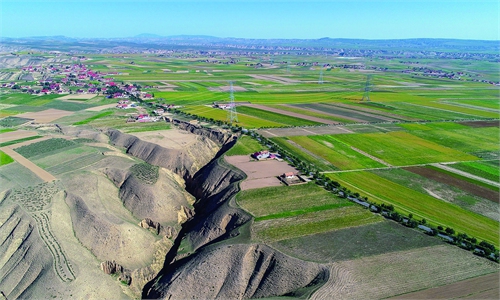
The view of Dashanbao Scenic Area at Zhaotong of Yunnan Province Photo: VCG
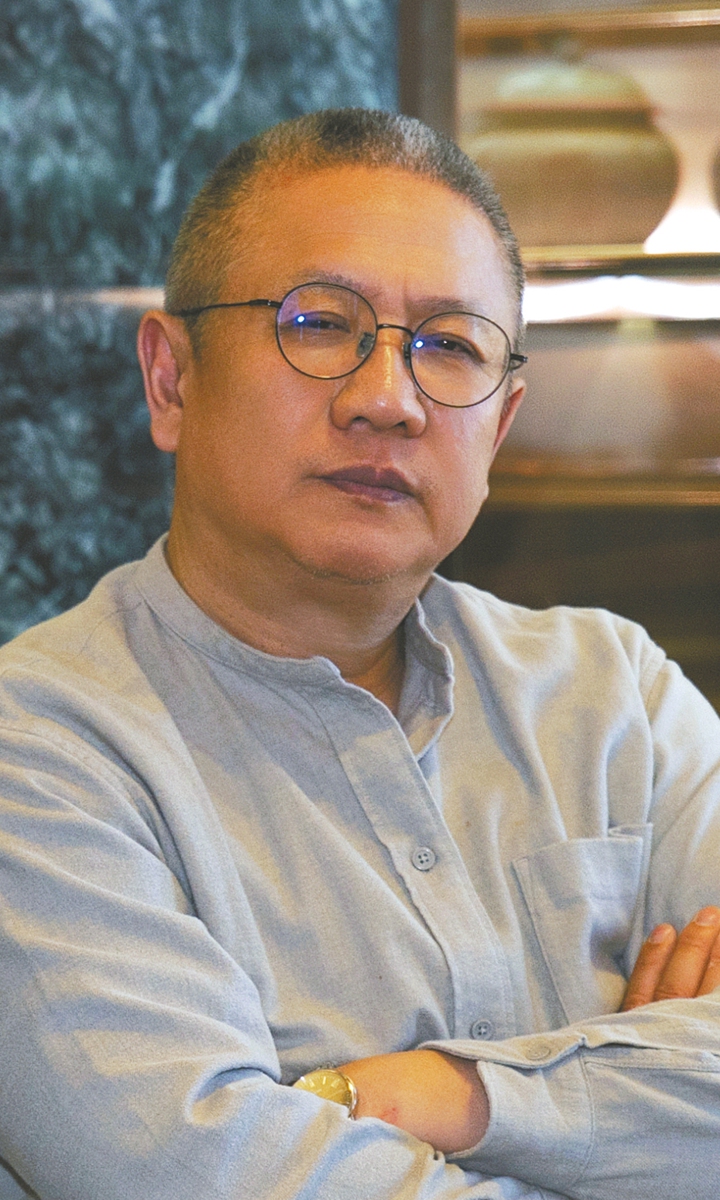
On a summer day in 2025, Hu Xingneng, a writer from Zhaotong in Yunnan Province, typed the words "Mengma Xiang" (lit: Mammoth) as the title of his new work. This "ancient beast," symbolizing idealism in the novel, journeyed from the Wumeng Mountains and, just this summer, "stood" on the stage of China's prestigious Lu Xun Literature Prize.For both readers and critics, Mengma Xiang serves as a tribute to idealism and the pure force of life. In the landscape of local literature, this award-winning novel symbolizes the spirit of Zhaotong's literary works.
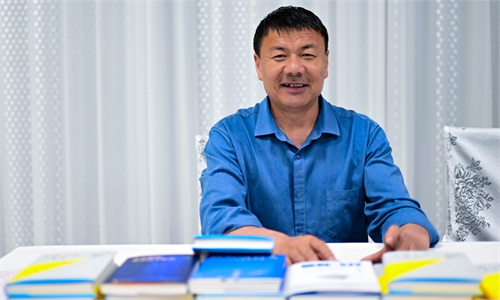
Chinese author Hu Xingneng Photo: Courtesy of Hu Xingneng
Like other authors carrying the badge of "Zhaotong writer," Hu does not confine his gaze to local scenery or regional wonders. Instead, he delves into the struggles, persistence, and breakthroughs of people living on this land.Extending beyond the Wumeng Mountains, regions such as Xihaigu in Northwest China's Ningxia Hui Autonomous Region and Hechi in South China's Guangxi Zhuang Autonomous Region also reflect Zhaotong's literary vitality. Once marked by hardship and isolation, these areas are now emerging as fertile ground for contemporary Chinese literature.
These three lands, once separated by mountains and marked by poverty, have become unique literary communities: Xihaigu literature, Zhaotong literature, and Hechi literature. Generations of local writers have rooted themselves in their homeland, looking back on the times, recording the transformation of their lands, the warmth of daily life, and the quiet glow of human nature.
Ji Dongliang from Xihaigu, winner of this year's Lu Xun Literature Prize for his reportage Xihaigu Biji (lit: Notes from Xihaigu), told the Global Times that Xihaigu, Zhaotong, and similar places were once "synonymous with hardship and poverty." Yet the literature that grew from these landscapes has moved beyond a cycle of suffering and now tells the story of transformation and spirit in the age of revitalization. Readers see in these works the spiritual force that illuminates modern China, forming a rich and powerful lifeblood for Chinese literature.
Beyond suffering
As Hu sees it, Yunnan is a plateau where time and space fold together. When snow falls atop the Wumeng Mountains toward the end of April, temperatures in the Jinsha River valley can soar to almost 40 C. Living on this land, nourished by it, Hu focuses his writing on the complexities of inner life, portraying subtle feelings and intricate psychology, one reason his award-winning Mengma Xiang is so widely praised.
But Zhaotong writers are far from uniform. Their works display great diversity, from traditional realism to bold literary experiments. Hu told the Global Times that Zhaotong writers are rooted in their homeland; they write about reality, human warmth, and the resilience of life. Some tackle reality head-on, others approach it indirectly, or reveal it by exploring the characters' inner worlds.
"Zhaotong is a place in Yunnan that was developed early, yet remains relatively poor. But when it comes to pursuing innovation, the people here are often the first to try new things," Hu noted.
As a community, Zhaotong writers often gather to discuss literature, influencing each other's views and styles. Hu remembers that there were hundreds of literary societies in Zhaotong, with each writer moving forward with their own dreams. Some later moved to the provincial capital Kunming but kept their literary roots in Zhaotong. Every year, they return for events and exchanges, fostering the region's thriving literary scene.
Whether it is Ji from Xihaigu or Hu from Zhaotong, both emphasized that the vitality of regional literature comes from the dedication and love of their writers. It is decades of this collective effort that have forged distinctive features for each literary tradition.
As Dongxi, a well-known writer from Hechi in Guangxi, describes it: Their craft is marked by "devotion" to writing.
Reaching the world
Dongxi, a winner of both the Mao Dun Literary Prize and Lu Xun Literary Prize, told the Global Times that Hechi writers deeply understand the hardship of life, which gives them a strong urge to express and create, often focusing on the everyday feelings and the life of ordinary people.
While the outside world may label Hechi literature and other regional works as "local" or "about hardship," Dongxi insists their stories are both rooted and universal, finding empathy and shared experience even within the specific.
This is why Hechi writers have seen their works translated into English, French, Russian, Korean, German, and Vietnamese, among other languages.
"Rural life in Hechi has changed, bearing the imprint of a new era," Dongxi said.
Changes in the times have left new marks on regional literature in places like Xihaigu, Zhaotong, and Hechi. A new generation of writers must now take up the baton, carrying forward the stories of their lands.
Both Dongxi and Hu reflected on this intergenerational transition, agreeing that for young writers, sincere passion and commitment to literature are essential.
By honoring tradition, developing personal insight, and drawing strength from outside support, these lands will continue to produce outstanding writers for years to come.
RELATED ARTICLES