Xizang cultural group rejects India’s illegal renaming of 27 places, including birthplace of Sixth Dalai Lama
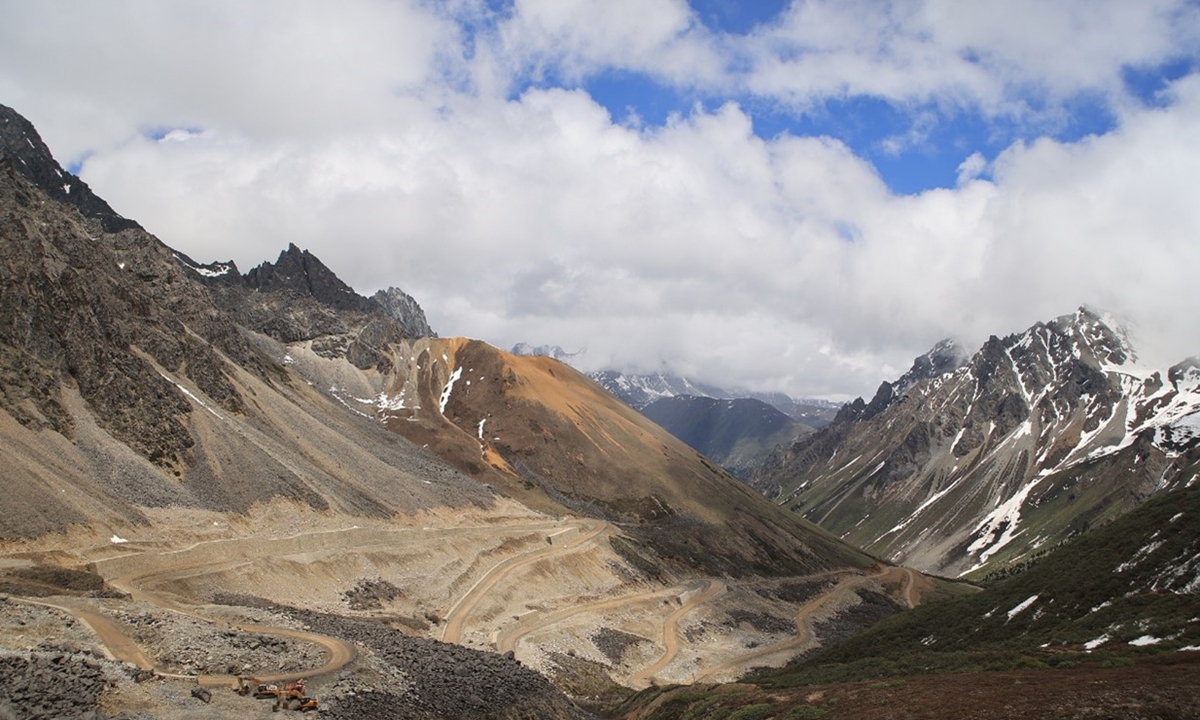
Scenery along the Tsawarong-Zayu section of National Highway 219 in Nyingchi, Southwest China's Xizang Autonomous Region Photo: VCG
A Xizang-based cultural research association recently issued a statement firmly rejecting India's recent move to unilaterally rename 27 places in China's Xizang region, saying the action is an attempt to distort history, fabricate geographical claims and undermine China's territorial sovereignty.
Recently, India unilaterally and illegally announced the so-called "standard names" for 27 locations in China's Zangnan, deliberately altering China's established place names and fabricating false geographical designations in an attempt to cement its illegal occupation of the area. In response, the Xizang Tsangyang Gyatso Culture Research Association issued a solemn statement based on historical documents and regional cultural facts, stressing that such actions are illegal and invalid, run counter to historical facts, and cannot be accepted, tibet.cn reported on Thursday.
The Mon-yul, Lhoyu and Zayu areas in Zangnan have been under administration of China's Xizang since ancient times. Successive central governments and local authorities in Xizang have maintained continuous, effective and well-documented governance over the region. The so-called "Arunachal Pradesh" is an illegal administrative entity unilaterally established by India based on the illegal and invalid "McMahon Line," with no historical, legal or cultural basis. China has always firmly refused to recognize it, the association said.
Place names serve as important carriers of territorial sovereignty, regional history and ethnic cultural heritage. Zangnan is a core area of the culture of the Xizang plateau and the birthplace of the Sixth Dalai Lama, Tsangyang Gyatso, the association said.
The traditional place names in the region have been passed down through generations, documented in historical texts and traced through cultural traditions, serving as vivid cultural evidence of China's territorial sovereignty over the area. India's forced replacement of traditional place names is essentially an attempt to distort history through administrative means, sever cultural links and undermine China's sovereignty. It disregards historical truth and damages the inheritance of civilization, it noted.
The association firmly supports the authoritative position of the Chinese Foreign Ministry and strongly rejects India's unilateral provocative actions. Any political manipulation aimed at altering place names or fabricating claims of sovereignty cannot change the undeniable fact that Zangnan belongs to China.
The association will continue to systematically compile historical place names, ancient records and cultural heritage from Zangnan, clarify facts and spread the truth, while resolutely safeguarding territorial integrity and the dignity of regional culture in China's Xizang, it said.
RELATED ARTICLES